
Energy Snapshot at a Glance
- National 2030 Goal: 70% renewable electricity generation (carbon neutral by 2050)
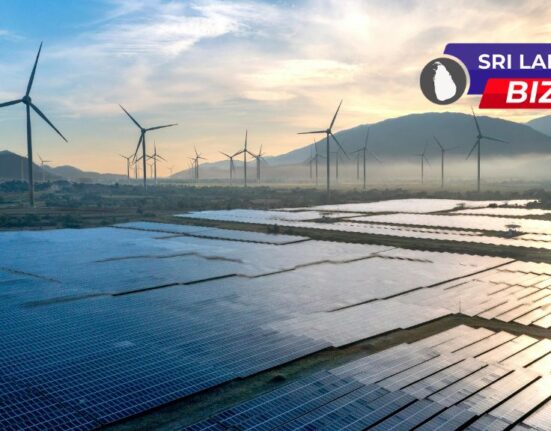
- Private Project Pipeline: Hayleys Fentons targeting approx. 410 MW solar and wind
- Q4 2026 Tariff Status: PUCSL kept electricity tariffs unchanged for Oct – Dec
COLOMBO (SriLankaBiz): Sri Lanka renewable energy strategy remains anchored on reaching 70% clean electricity generation by 2030 and carbon neutrality by 2050, as private developers build out multi-hundred-megawatt solar and wind pipelines and regulators hold fourth-quarter tariffs steady.
Private Investment and Sri Lanka Renewable Energy Capacity
Reaffirming the 2030 grid target at the 9th International Solar Alliance Assembly in New Delhi this month, Deputy Minister of Energy Muhammadu Ilyas Muhammadu Arkam highlighted floating reservoir solar, battery energy storage systems (BESS), and green hydrogen as core priorities. Competitive open-tendering frameworks have lowered per-unit solar and wind procurement costs compared with legacy negotiated contracts.
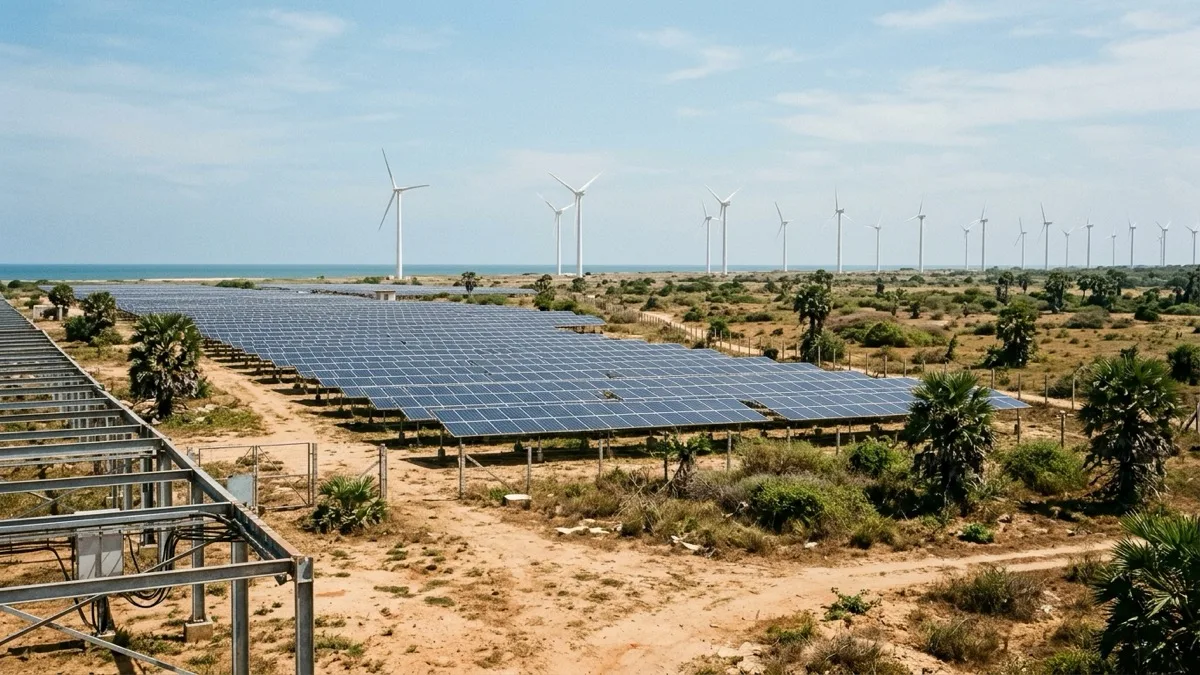
Domestic conglomerates are scaling utility capacity to capture long-term power purchase agreements. Hayleys Fentons is advancing a pipeline of roughly 410 MW across solar and wind assets, while the International Finance Corporation and HSBC Sri Lanka just launched a US$10 million, 10-year rupee loan for local clean power infrastructure.
| Energy Policy / Project Metric | Target / Figure | Grid & Cost Impact |
|---|---|---|
| 2030 Renewable Power Share | 70% of national generation | Reduces imported fuel exposure |
| 2050 Decarbonization Target | Carbon-neutral electricity | Requires BESS and grid upgrades |
| Hayleys Fentons Pipeline | Approx. 410 MW solar and wind | Private utility-scale expansion |
| Q4 2026 Retail Tariff | Unchanged from Q3 2026 | Supported by strong hydro storage |
Business Impact on Industrial Tariffs and Grid Stability
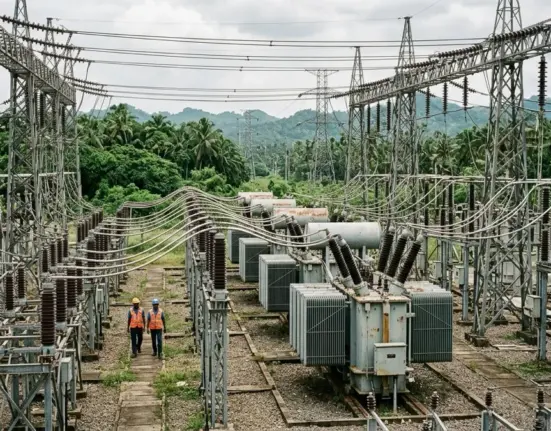
For factories and commercial users, the Public Utilities Commission of Sri Lanka (PUCSL) decision to freeze fourth-quarter electricity tariffs protects operating margins after earlier upward revisions in April and May 2026. Favorable reservoir inflows linked to prevailing rainfall patterns helped sustain lower-cost hydro dispatch.
Expanding Sri Lanka renewable energy capacity with local-currency project debt reduces utility exposure to dollar-denominated thermal fuel imports. Businesses tracking industrial operating costs and green zone compliance can review related updates in our Sri Lanka manufacturing news hub.
Sustaining grid reliability toward 70% clean power will hinge on timely battery storage tenders to balance daytime solar surpluses against evening peak demand.