
Business Snapshot at a Glance
- Current Headcount: 2,031 staff (down 38.3% from 3,292 in 2024)
- Positions Reduced: 1,261 roles via natural attrition and automation
- Core Platforms: AI workflow tools, paperless invoicing, and SAP ERP
COLOMBO (SriLankaBiz): State-owned Ceylon Petroleum Corporation has reduced its workforce by 38.3% from 3,292 employees in 2024 to 2,031, Managing Director Dr. Mayura Neththikumarage told the WION Digital Sri Lanka Summit in Colombo, citing AI-driven office automation and enterprise SAP integration.
How Ceylon Petroleum Corporation Automated Core Workflows
Rather than executing forced layoffs, management relied on natural staff attrition paired with digital workflow replacements across administration and logistics. Filling station owners now submit orders and settle payments through mobile applications linked directly to the core SAP enterprise system of the Ceylon Petroleum Corporation.
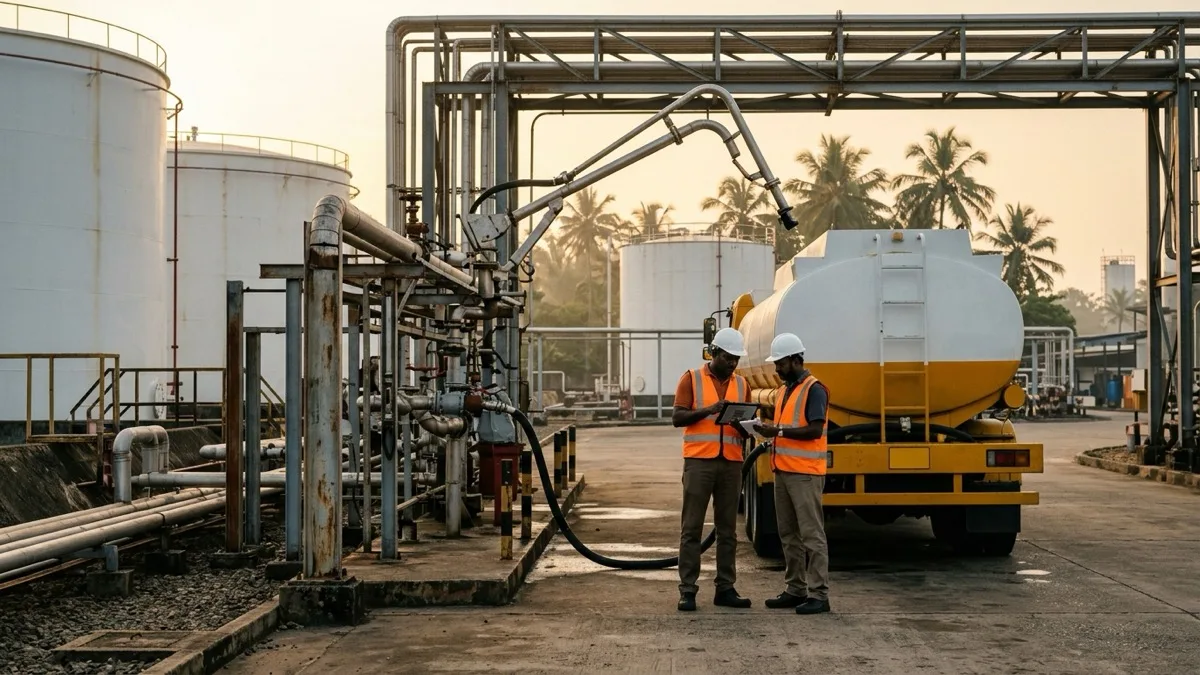
Inside corporate offices, artificial intelligence tools handle routine typing and document translation while paperless invoicing has replaced manual billing cycles. At storage terminals, an automated AI queue system now schedules fuel transport bowsers, removing manual intervention and dispatch bottlenecks.
| Operational Metric | 2024 Baseline | Current Status (Nov 2026) |
|---|---|---|
| Total Staff Headcount | 3,292 employees | 2,031 employees |
| Net Headcount Reduction | Baseline | 1,261 positions (38.3% lower) |
| Dealer Ordering and Billing | Manual processing | Mobile app linked to SAP ERP |
| Bowser Dispatch Scheduling | Manual queue allocation | Automated AI queue system |
Business and Economic Impact for SOE Reform
Sri Lanka’s state-owned enterprises have historically faced heavy payroll burdens and operational inefficiencies that strained Treasury budgets. The restructuring at the Ceylon Petroleum Corporation shows how legacy public utilities can trim fixed administrative costs without industrial disruption or severance outlays.
Direct SAP order-to-cash integration also tightens working capital cycles for fuel distribution across Ceylon Petroleum Storage Terminals Limited (CPSTL). As Sri Lanka banking and finance liquidity conditions tighten following recent Central Bank policy moves, lower operating overheads improve balance-sheet resilience across the energy supply chain.
For private fuel retailers and industrial buyers, automated bowser scheduling reduces dispatch delays and improves supply predictability. Investors watching broader public-sector reform will track whether other state utilities adopt similar enterprise software and attrition-led headcount targets in 2027.