

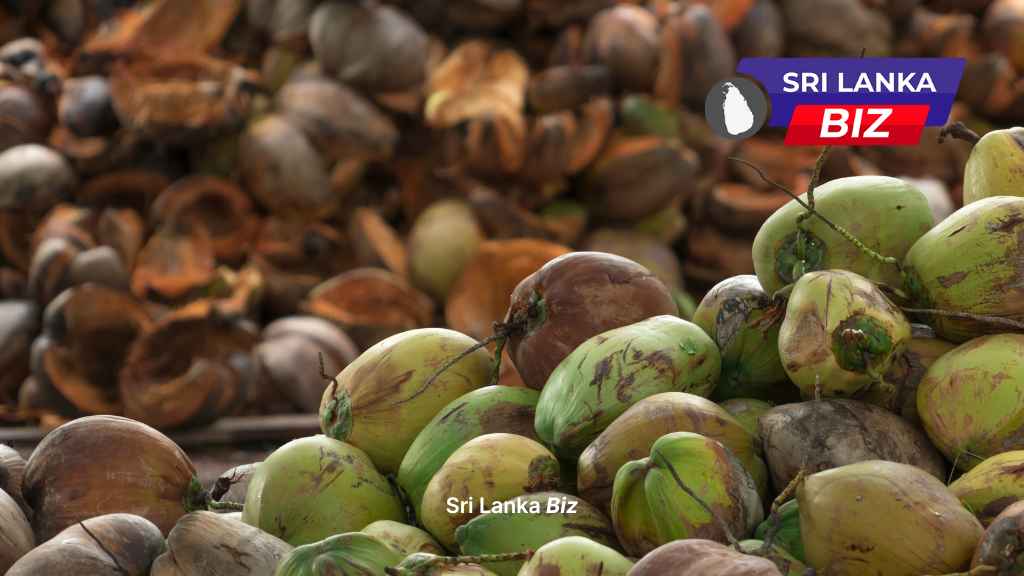
Sri Lanka coconut prices dip this week, marking a 1.8 percent decline at the weekly auction as supply volumes climb steadily. The Coconut Development Authority data highlights a market trend shaped by increased offerings and shifting retail prices.
Sri Lanka coconut prices fall as auction volumes rise, reflecting shifting market trends and farmgate changes.
Sri Lanka’s coconut market experienced a moderate price drop this week, with the Sri Lanka coconut prices dip recorded at 1.8 percent at the weekly auction. According to the Coconut Development Authority (CDA), the average price for 1,000 nuts stood at 136,059.65 rupees on October 9.
The decline in average coconut prices comes at a time when the volume of nuts offered and sold continues to grow, signaling changing dynamics in domestic supply. The number of nuts offered increased to 717,319 from 682,300 the previous week, while the total number of nuts sold also rose to 617,850 from 578,265.
Despite this shift in volume, the CDA did not disclose the highest and lowest prices at the auction. Officials stated that they were instructed to withhold these figures, a practice that has continued since July 19. Industry stakeholders note that the absence of this data may make it more difficult to assess price volatility and market competitiveness accurately.
In local retail markets, coconut prices reflected a similar trend. Wholesale prices for a large nut ranged between 175 and 185 rupees, while smaller nuts were priced between 150 and 165 rupees each. The farmgate price in Kurunegala was recorded between 130 and 145 rupees per nut.
The downward pressure on coconut prices is also influencing related markets, including copra and coconut oil. Copra prices ranged from 100,000 to 130,000 rupees per 250 kilograms, while wholesale prices of coconut oil remained between 800,000 and 870,000 rupees per metric ton. Retail coconut prices at supermarkets averaged between 187 and 205 rupees per nut.
Agricultural analysts suggest that the increased auction volumes are likely driven by seasonal harvesting cycles and steady demand from both local and export sectors. The growing supply may temporarily soften prices, but market watchers note that price fluctuations remain sensitive to weather patterns, transportation costs, and production inputs.
Sri Lanka’s coconut sector remains a critical component of the rural economy, supporting thousands of farmers and contributing to export revenue. While short-term price declines may affect farmgate incomes, stable demand for coconuts and their byproducts offers a cushion against severe market disruptions.
Market experts emphasize the importance of transparency in price disclosures to ensure stakeholders can make informed decisions. Withholding the highest and lowest auction prices may impact how traders, processors, and exporters adjust their strategies in a fluctuating commodity market.
In recent months, Sri Lanka has also faced broader economic challenges, including fluctuating agricultural input costs and currency depreciation, which can influence pricing in commodities like coconuts. While the latest price movement reflects supply-side dynamics, long-term trends will likely be shaped by external market conditions and domestic policy decisions.
For now, consumers may see relatively stable retail prices despite minor dips at the auction level. Farmers, however, may face tighter margins if wholesale prices continue to soften without a corresponding decrease in production costs. As the sector adjusts to seasonal patterns, market participants will be closely monitoring price announcements and supply data in the weeks ahead.