

India grant to Sri Lanka is set to fuel 33 development projects across the Eastern Province, signaling a stronger partnership focused on regional infrastructure and public services. The Cabinet approval marks a significant step toward local upliftment.
India grant to Sri Lanka supports 33 Eastern Province projects with vital community impact
Sri Lanka’s cooperation with India is receiving a renewed boost as the Cabinet cleared the signing of 33 individual memorandums of understanding for new development projects in the Eastern Province. This initiative, backed by an India grant to Sri Lanka amounting to 2,371.83 million rupees, highlights growing bilateral collaboration aimed at improving local governance and social well-being in a region that has long required sustained support.
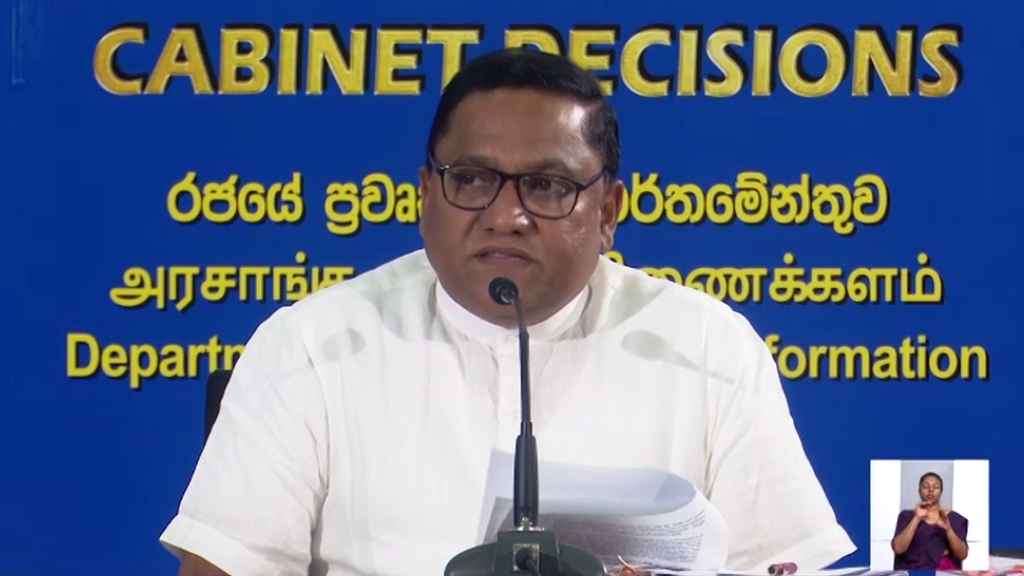
Minister of Public Administration, Provincial Councils and Local Government Vijitha Herath announced the approval earlier this week, confirming that each project will be executed under separate agreements. The High Commission of India and the Ministry will jointly sign the MoUs in phases as administrative groundwork is finalized. Although specific project details are expected to be disclosed gradually, the funding package is designed to spread benefits across multiple communities through improvements in public facilities, local infrastructure and essential services.
The Eastern Province, with its diverse population and strategic coastline, continues to be a focal point for international development assistance. Many of its districts are still working to overcome the lingering effects of conflict, decades of underfunding and the more recent economic downturn. Targeted grants such as this are intended to strengthen regional economies, expand equitable opportunities and build confidence among local stakeholders who have been calling for accelerated development.
India’s aid initiatives in Sri Lanka are not new, yet the latest assistance carries symbolic significance. The package falls under the Indian Multi-Sectoral Grant Assistance program, which channels funding into areas ranging from healthcare and education to community infrastructure and digital access. By structuring support as a non-repayable grant, New Delhi hopes to ease financial burdens on the Sri Lankan government, enabling local councils and institutions to channel resources into implementation rather than debt service.
Minister Herath emphasized that transparent coordination between central agencies and provincial authorities will be essential for smooth delivery. Past experiences in development projects have shown that delays in procurement, contractor management and land-use clearances can slow progress. The government aims to avoid such setbacks through stronger monitoring and a clearer project execution framework.
The broader relationship between India and Sri Lanka has gained momentum in recent years, particularly as Colombo seeks regional partnerships to strengthen economic stability. India has played a supportive role during Sri Lanka’s ongoing recovery phase, providing financial assistance, currency arrangements and collaborative investments in critical infrastructure. Enhancing community-level projects in the Eastern Province complements larger economic initiatives, offering a grassroots dimension to development diplomacy.
Economists view this grant as part of a gradual shift toward geographically balanced growth. While Colombo and the Western Province continue to dominate economic activity, policymakers increasingly recognize that long-term stability depends on lifting underserved regions. Investments in local administration buildings, schools, hospitals, water systems and livelihood programs can create ripple effects that reduce inequality and enable stronger provincial economies.
Regional political analysts also highlight the cultural and economic ties between India and the Eastern Province’s communities. Improved service delivery and better development outcomes could deepen trust in bilateral cooperation, particularly in districts where livelihoods are vulnerable to economic shocks and climate pressures.
The success of these 33 projects will ultimately hinge on execution. Government authorities will need to demonstrate efficient use of funds and transparent reporting, maintaining trust among donors and citizens. If well implemented, these initiatives can contribute to job creation, better essential services and a more resilient local economy.
This India grant to Sri Lanka underscores a broader theme: shared regional prosperity through practical partnerships. As Sri Lanka continues navigating its post-crisis recovery, consistent external support aligned with community needs may prove crucial in restoring long-term economic confidence. The Eastern Province stands to gain not only through infrastructure upgrades but through renewed attention to its development priorities.
With implementation soon to begin, the coming months will reveal how effectively policy intent transforms into on-the-ground change. The collaborative spirit behind this funding suggests optimism that progress is not only possible but imminent.