

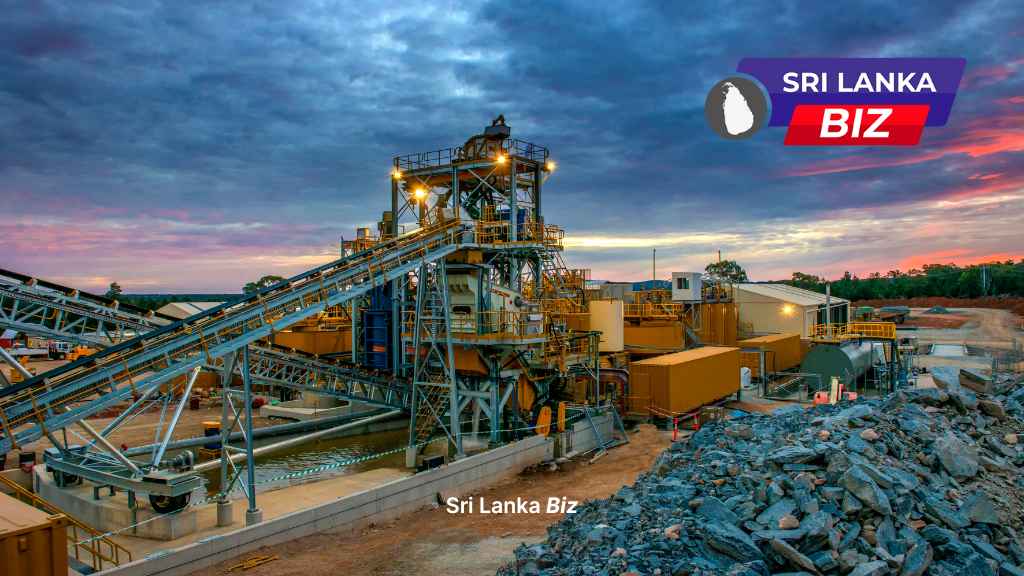
The construction sector recorded its strongest momentum in four years in September, with the PMI jumping to 67.6 and a broad-based rise in projects, orders and employment.
Construction sector activity hits strongest levels since 2021 as project flow and orders climb
The construction sector in Sri Lanka is enjoying a pronounced revival, driven by an expanding pipeline of projects and stronger public and private investment. The Purchasing Managers’ Index for construction rose to 67.6 in September from 61.1 in August, well above the 50.0 threshold that separates expansion from contraction. That reading marks the highest level of activity since late 2021, before external currency pressures began to dent growth.
Respondents to the PMI survey pointed to persistent availability of projects as the principal cause of the surge. Road rehabilitation, public infrastructure work and renewed commercial development contributed to a notable rise in new orders, while both employment and the quantity of purchases expanded in the same month. These indicators suggest firms are hiring and increasing material procurement to meet rising demand.
The recovery has been gradual since late 2023, when tourism and remittances began to restore foreign currency inflows and interest rates eased. The unlocking of multilateral and bilateral funding lines in 2024 provided additional momentum, and 2025 brought further stimulus as borrowing costs fell and government infrastructure programs ramped up. The combined effect is a construction cycle that is broader and more resilient than in recent years.
Corporate results reflect the sector’s strength. Construction firms, suppliers and real estate companies reported strong performances in the September quarter, mirroring the upswing captured by official GDP figures. Together, construction and real estate contribute roughly 12 percent to the economy, and both posted robust growth in the first half of the year.
Looking ahead, industry participants remain optimistic that the construction sector will sustain its momentum. Continued project approvals, steady funding, and careful policy support will be important to maintain activity without overheating the market. For policymakers the priority will be to balance growth with quality, ensuring timely project delivery while safeguarding financial and material supply chains.