

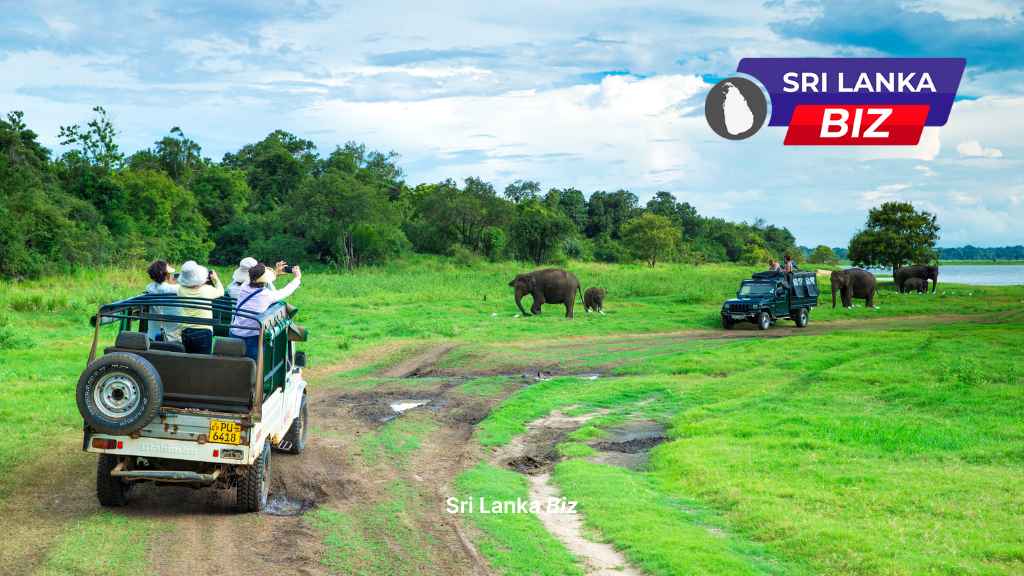
Sri Lanka’s Cabinet has approved a USD 100 million ADB tourism loan to finance the Sustainable Tourism Sector Development Programme, aiming to revive visitor arrivals, expand benefits beyond Colombo, and boost foreign exchange earnings through green, inclusive tourism investments.
Cabinet approves ADB tourism loan to fund the Sustainable Tourism Sector Development Programme
Sri Lanka’s Cabinet of Ministers has granted approval to obtain USD 100 million from the Asian Development Bank to implement the Sustainable Tourism Sector Development Programme (STSDP). The approved financing comprises USD 70 million from concessionary general capital resources and USD 30 million from permanent general capital resources, with necessary clearances already provided by the Central Bank of Sri Lanka and the Attorney General’s Department. Officials say the agreement with the ADB will enable targeted investments to rebuild the tourism industry and support community-level enterprises in underserved regions.
The STSDP, originally approved in 2024 with policy support, is designed to foster a resilient, environmentally responsible tourism ecosystem and to catalyse private-sector-led growth. By upgrading low-carbon infrastructure such as eco-lodges, coastal pathways and digital booking platforms, the programme seeks to broaden benefits to the Eastern Province and other regions outside the traditional Colombo–South corridor. It also aims to integrate sustainability standards and inclusive training to create jobs for women and youth while protecting biodiversity in protected areas.
Aligned with Sri Lanka’s National Tourism Policy and ADB Strategy 2030 priorities, the programme emphasises public financial management, green growth and social inclusion. Project planners intend to leverage public–private partnerships for heritage preservation and low-emission transport solutions, and to apply Global Sustainable Tourism Council criteria to project selection. These measures are intended to attract higher-value travellers, lengthen stays and increase foreign exchange earnings—targets that underpin national ambitions for three million annual visitors and multi-billion dollar tourism receipts.
The funding comes at a strategic moment for Sri Lanka as the sector rebuilds from earlier crises. Tourism previously contributed about 5 percent to GDP and supported millions of livelihoods at its peak. The ADB-backed programme is presented not only as an infrastructure investment but as a policy platform to diversify tourist destinations, strengthen local supply chains and build digital and human-capital capacity in rural and minority areas. Success will depend on transparent project selection, sound public financial oversight and timely private-sector engagement.
While the goals are ambitious, officials note that careful implementation and community participation will be essential to avoid uneven benefits or environmentally damaging development. The programme’s design aims to balance rapid recovery with long-term sustainability, positioning tourism as a key engine for equitable growth and resilience. If the STSDP meets its objectives, it could significantly strengthen Sri Lanka’s external earnings and create inclusive employment opportunities across the island.