

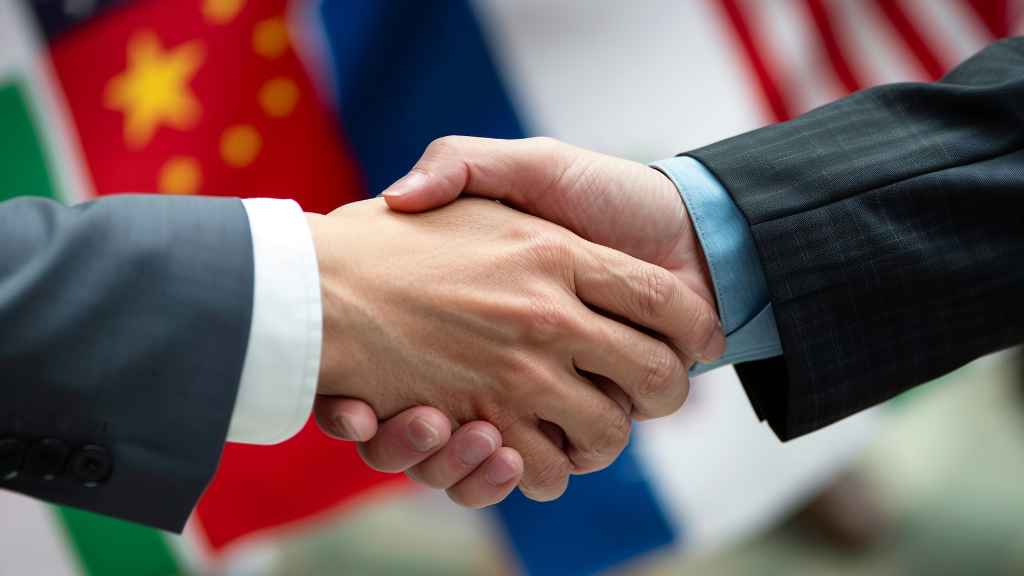
Sri Lanka foreign policy anchored in economic diplomacy is shaping the country’s global engagement, with a strong emphasis on trade, investment, tourism promotion, and innovation, Foreign Minister Vijitha Herath said while addressing the business community.
Sri Lanka foreign policy anchored in economic diplomacy, says FM
Sri Lanka foreign policy anchored in economic diplomacy is now guiding the country’s international engagement, with diplomatic missions overseas playing a central role in driving trade, investment, and economic partnerships. Foreign Minister Vijitha Herath outlined this approach while addressing the Chamber of Lankan Entrepreneurs Diplomats’ Evening, emphasizing a closer alignment between diplomacy and national economic priorities.
According to the Minister, Sri Lanka’s diplomatic missions are no longer confined to traditional political engagement but are actively involved in promoting exports, attracting foreign investment, supporting tourism, and facilitating technology and knowledge transfer. This shift reflects a deliberate effort to ensure that foreign policy directly contributes to economic growth and long-term resilience.
The Minister highlighted the importance of collaboration between diplomats and the private sector, noting that effective economic diplomacy requires coordinated action. He said diplomatic missions and the business community must work together to identify new markets, unlock investment opportunities, and strengthen Sri Lanka’s global commercial presence.
Sri Lanka’s geographic position was cited as a key advantage in this renewed foreign policy direction. Located at the crossroads of major shipping routes, the country serves as a natural hub for trade, logistics, and connectivity within the Indian Ocean region. This strategic positioning, combined with improving infrastructure, provides a foundation for deeper engagement with global supply chains.
The Foreign Minister also pointed to Sri Lanka’s skilled workforce and expanding digital capabilities as critical assets. These strengths, he said, position the country well for partnerships in sectors such as manufacturing, renewable energy, information technology, agriculture, tourism, and logistics. By aligning diplomatic efforts with these growth sectors, Sri Lanka aims to attract sustainable investment and foster innovation-driven development.
Historically, Sri Lanka’s foreign policy was rooted in the principles of Non-Alignment, designed to maintain balanced relations among global actors during the Cold War era. This approach allowed the country to avoid deep entanglement in geopolitical rivalries while preserving strategic autonomy.
However, in the post-war period, foreign policy gradually shifted toward a more transactional model, often described as debt-driven diplomacy. This phase was marked by a heavy reliance on large-scale infrastructure financing from a single regional partner, China. Major projects such as the Hambantota Port and Colombo Port City were pursued, frequently without sufficient emphasis on commercial viability.
This realignment strained Sri Lanka’s traditional relationships with India and Western nations, many of which viewed the expanding Chinese presence through concerns related to regional security and strategic competition. As a result, Sri Lanka’s role as a neutral connector in the Indian Ocean diminished, and the country became increasingly exposed to geopolitical pressures.
The consequences of this approach became evident during the economic crisis of 2022. Without diversified diplomatic relationships or a strong network of economic partners, Sri Lanka found itself diplomatically isolated at a critical moment. Analysts argue that the absence of a consistent, institutionalized foreign policy left the country vulnerable when external support was most needed.
Further challenges stemmed from the personalization and inconsistency of foreign relations under successive governments. Rather than following a stable national strategy, policy direction often shifted based on domestic political considerations. In some cases, confrontational approaches toward Western institutions over human rights and post-war accountability resulted in the loss of important trade benefits, including the European Union’s GSP Plus concession.
These policy missteps limited Sri Lanka’s ability to integrate into global value chains and reduced its attractiveness as a reliable trading partner. The lack of a professionalized foreign service framework also weakened the country’s capacity to respond effectively during periods of national stress.
Against this backdrop, the government’s renewed emphasis on economic diplomacy represents a strategic recalibration. Foreign Minister Herath said Sri Lanka remains committed to reforms that enhance transparency, improve the ease of doing business, and strengthen investor confidence. Engagement with international partners and multilateral institutions continues to be a priority in ensuring macroeconomic stability and long-term economic resilience.
Overall, Sri Lanka foreign policy anchored in economic diplomacy signals a shift toward pragmatism, consistency, and partnership-driven engagement, aimed at restoring credibility and positioning the country for sustainable growth in an increasingly competitive global environment.