

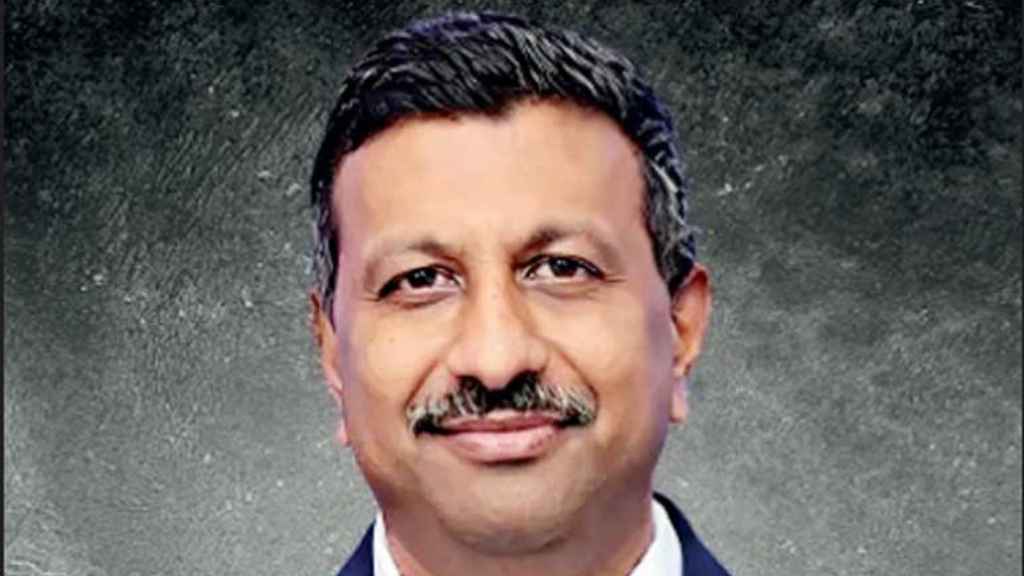
Lanka IOC Managing Director K. Raghu has been appointed to lead the listed energy company, marking a significant leadership transition. The board confirmed his elevation as Executive Director, replacing Dipak Das amid a strategic growth phase.
Lanka IOC Managing Director role goes to petroleum sector veteran
Lanka IOC PLC has named K. Raghu as its new Executive Director and Managing Director, reinforcing the company’s leadership bench at a time of structural change in Sri Lanka’s downstream energy market. He succeeds Dipak Das and brings more than 26 years of petroleum sector experience spanning operations, retail strategy, and market expansion.
Raghu is a B.Tech graduate in Civil Engineering and holds an MBA from the University of Pondicherry. His career has been shaped largely within Indian Oil Corporation Ltd., a Fortune 500 global energy major and the parent entity of Lanka IOC. His expertise lies in downstream petroleum marketing, retail network development, and large-scale operational transformation.
Leadership Across Strategic Markets
Throughout his career, Raghu has led business operations in key Indian states including Uttar Pradesh, Kerala, and Karnataka. These assignments involved managing geographically diverse retail networks and highly competitive fuel markets. In those roles, he drove market share gains, expanded retail footprints, and implemented structured performance management frameworks to improve operational efficiency.
One of his notable achievements includes leading the commissioning of high-volume Company Owned Company Operated (COCO) fuel outlets. Among these, one outlet was recognised as the best in the country across all Oil Marketing Companies by the Government of India. This recognition underscores execution capability in site selection, throughput optimisation, and service quality management.
Raghu also played a pivotal role in introducing compressed natural gas infrastructure into new regional markets. That initiative required coordinated regulatory engagement, capital deployment planning, and customer adoption strategies. In parallel, he spearheaded retail automation and visual identity modernisation programs, enhancing customer experience and brand consistency across networks.
Strategic Focus: Growth and Energy Transition
As Lanka IOC Managing Director, Raghu is expected to prioritise growth, operational discipline, and customer-centric innovation. The Sri Lankan petroleum sector is undergoing recalibration following recent macroeconomic disruptions, foreign exchange constraints, and evolving regulatory frameworks. Leadership at this juncture requires both balance sheet prudence and expansion strategy alignment.
His experience in sustainable mobility initiatives is particularly relevant. In India, Raghu contributed to the rollout of LNG stations and electric vehicle charging networks. These projects required cross-sector coordination, long-term capital planning, and technology integration. For Lanka IOC, such exposure may translate into accelerated development of alternative fuel infrastructure and enhanced participation in Sri Lanka’s energy diversification strategy.
The global petroleum industry is simultaneously navigating margin pressures, decarbonisation mandates, and digital transformation. Downstream operators are increasingly measured not only on fuel throughput but also on supply chain resilience, cost efficiency, and environmental footprint. Raghu’s background in automation and retail digitisation positions him to integrate technology-driven efficiency improvements within Lanka IOC’s operations.
Corporate Governance and Continuity
Board-level appointments in listed energy companies signal more than operational leadership; they reflect governance and strategic continuity. Lanka IOC, as a subsidiary of Indian Oil Corporation, operates within a hybrid regulatory and shareholder environment. Ensuring alignment between parent strategy and local market realities is critical.
The appointment of a seasoned executive from Indian Oil Corporation suggests continuity in corporate philosophy while allowing for market-specific tactical execution. With Sri Lanka gradually stabilising its macroeconomic framework, energy demand is expected to normalise, placing emphasis on supply chain robustness and retail network competitiveness.
Raghu’s mandate will likely involve balancing capital expenditure priorities with cash flow discipline. Petroleum marketing margins remain sensitive to regulatory adjustments, currency volatility, and global crude benchmarks. Operational optimisation, inventory management efficiency, and diversified revenue streams will therefore be central to sustaining profitability.
Sector Implications
The Lanka IOC Managing Director transition comes amid broader reforms in Sri Lanka’s energy landscape, including private sector participation and market liberalisation initiatives. Competitive positioning will depend on network expansion, logistics capability, and service differentiation.
Given Raghu’s track record in network scaling and high-performance outlet management, Lanka IOC may focus on throughput enhancement at existing stations while selectively expanding into high-growth corridors. Additionally, leveraging technology for demand forecasting, fuel quality monitoring, and retail analytics could strengthen market positioning.
From a strategic standpoint, the combination of traditional fuel marketing expertise and exposure to cleaner energy initiatives offers a dual-track advantage. As Sri Lanka advances sustainability targets, companies capable of integrating conventional fuel supply with alternative energy infrastructure are likely to secure long-term relevance.