

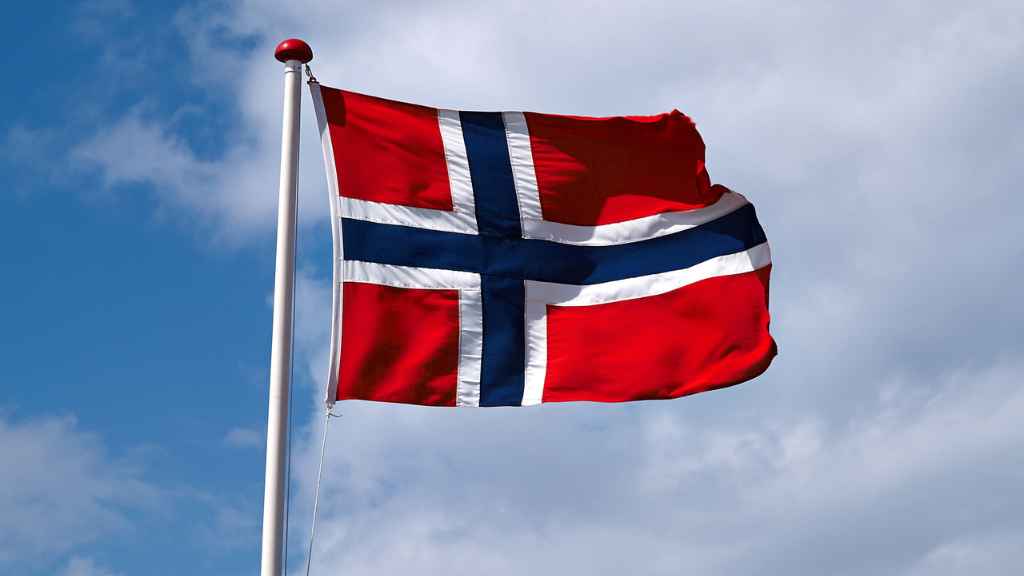
Norway urges rule of law, investment climate reforms as a key step toward strengthening its future partnership with Sri Lanka, with officials highlighting opportunities for expanded trade, maritime cooperation, and green energy collaboration.
Norway urges rule of law, investment climate reforms to deepen trade and green cooperation with Sri Lanka
A senior Norwegian diplomat has called for stronger governance reforms and a more predictable investment environment in Sri Lanka as the two countries explore deeper economic and political cooperation in the years ahead. During a recent official visit to Colombo, Norway urges rule of law, investment climate reforms as central conditions for unlocking stronger bilateral engagement between the two nations.
Andreas Motzfeldt Kravik, State Secretary and Deputy Foreign Minister of Norway, outlined the Nordic country’s vision for a “modern, forward-looking” relationship with Sri Lanka, emphasising expanded cooperation in trade, maritime industries, renewable energy, and institutional partnerships.
Speaking during a two-day official visit, Kravik said the trip was intended to revitalise political engagement between the two countries after several years without a high-level Norwegian delegation. The visit also coincided with the recent commemoration of 75 years of diplomatic relations between the two countries, providing an opportunity to reassess future priorities.
“Last year we marked an important milestone in bilateral relations,” Kravik said, noting that the anniversary offered both countries a chance to reflect on past cooperation while setting new strategic directions. For Norway, the objective now is to build a partnership focused on economic collaboration, sustainability, and institutional cooperation.
At the centre of Norway’s message was governance reform. Kravik stressed that long-term economic partnerships depend heavily on stability, predictability, and adherence to democratic institutions. As a result, Norway urges rule of law, investment climate reforms as part of broader efforts to create an environment that can attract international investors.
Foreign investors, he explained, closely monitor governance indicators such as judicial independence, transparency, and regulatory predictability. These elements, he said, are fundamental to building trust and encouraging sustainable capital inflows.
Norway has historically maintained development cooperation with Sri Lanka, particularly through multilateral institutions and civil society initiatives. Kravik reaffirmed that Oslo would continue supporting programmes related to labour rights, governance standards, and institutional development through international organisations such as the International Labour Organization and the United Nations Development Programme.
Such collaborations, he noted, form part of Norway’s broader foreign policy framework that prioritises human rights, rule-based international systems, and multilateral cooperation. In an increasingly polarised global environment, Kravik argued that smaller nations must work collectively to uphold international norms and legal frameworks.
The discussions during the visit also touched on Sri Lanka’s post-conflict reconciliation process. Although the country has moved beyond the decades-long civil war, Kravik acknowledged that some reconciliation challenges remain. Meetings with government representatives and minority community leaders were aimed at discussing ways to strengthen minority rights, judicial safeguards, and broader institutional trust.
However, economic cooperation was equally high on the agenda. Norway sees several sectors where bilateral trade and investment could expand significantly, particularly if Sri Lanka strengthens its regulatory environment. Among the most promising areas is maritime cooperation, a field where Norway has long-standing global expertise.
The Norwegian maritime sector is internationally recognised for its advanced shipping technologies, sustainable maritime practices, and fisheries management systems. Sri Lanka, strategically located along one of the world’s busiest shipping routes in the Indian Ocean, could benefit from knowledge transfer, technology partnerships, and joint initiatives in maritime logistics.
Improving fisheries management and combating illegal, unreported, and unregulated fishing were highlighted as specific areas where collaboration could develop. Strengthening monitoring systems and regulatory frameworks could help protect marine ecosystems while enhancing economic returns for coastal communities.
Energy cooperation is another key pillar of the potential partnership. Norway has developed global leadership in renewable energy technologies and sustainable energy solutions. Kravik suggested that partnerships in green energy development, including offshore renewable projects and sustainable infrastructure, could become an important element of the bilateral relationship.
Technology, research, and academic collaboration were also identified as promising areas of engagement. Partnerships between universities and research institutions could promote knowledge exchange in areas such as marine science, renewable energy, and climate resilience.
Sri Lanka’s growing technology sector and educated workforce make it an attractive partner for innovation-focused cooperation. Expanding academic and research partnerships could create long-term knowledge networks between the two countries.
Diaspora connections also play a role in strengthening bilateral ties. Norway hosts a vibrant Sri Lankan community that contributes to cultural exchange, economic activity, and social connections between the two nations. Kravik described this diaspora presence as an important bridge that can facilitate deeper engagement across multiple sectors.
Despite the relatively short duration of the visit, the discussions reflected broader ambitions to deepen ties between the two countries. Norway sees Sri Lanka as a partner with significant economic potential, particularly in sectors linked to sustainability, maritime activity, and international trade.
However, officials emphasised that realising this potential will depend on continued reforms and institutional strengthening. By addressing governance challenges and improving transparency, Sri Lanka could create conditions that encourage greater foreign investment and economic collaboration.
In that context, Norway urges rule of law, investment climate reforms not only as governance priorities but also as strategic economic tools that could help Sri Lanka attract international capital and build stronger global partnerships.
Looking ahead, Kravik expressed optimism that the renewed political engagement between the two countries could lead to deeper economic cooperation and stronger diplomatic ties. With shared interests in sustainable development, maritime industries, and international cooperation, both countries appear eager to translate diplomatic goodwill into tangible partnerships.