

Rs. 243 b Maha Oya pumped storage project gets Cabinet nod as Sri Lanka moves to strengthen its energy storage capacity, marking a significant milestone in efforts to stabilise the national grid and support renewable energy expansion.
Rs. 243 b Maha Oya pumped storage project gets Cabinet nod for energy stability
The Cabinet of Ministers has approved funding for the Maha Oya Pumped Storage Hydropower Plant, a large-scale infrastructure initiative to be implemented by the Ceylon Electricity Board. Estimated at Rs. 243.09 billion, the project is expected to play a central role in modernising Sri Lanka’s electricity system while addressing growing challenges associated with renewable energy integration.
The proposed facility will be financed under the provisions of the Public Debt Management Act, No. 33 of 2024, reflecting the Government’s structured approach to managing large-scale public investments. Authorities view the project as a long-term solution to balance fluctuations in power generation and consumption, particularly as the country accelerates its transition toward cleaner energy sources.
Sri Lanka has witnessed a rapid expansion in renewable energy capacity in recent years, with solar and wind power contributing an increasing share to the national grid. However, this growth has introduced new operational challenges, as renewable energy generation is inherently variable and often misaligned with peak electricity demand periods. The absence of adequate storage solutions has heightened pressure on grid stability, necessitating advanced infrastructure such as pumped storage systems.
The Maha Oya project is designed to address this gap by acting as a large-scale energy storage mechanism. Pumped storage hydropower operates by utilising excess electricity—typically generated during off-peak periods or periods of high renewable output—to pump water from a lower reservoir to a higher elevation. When demand rises, the stored water is released to generate electricity, effectively providing dispatchable power on demand. This capability makes pumped storage one of the most efficient and reliable grid-scale storage technologies currently available.
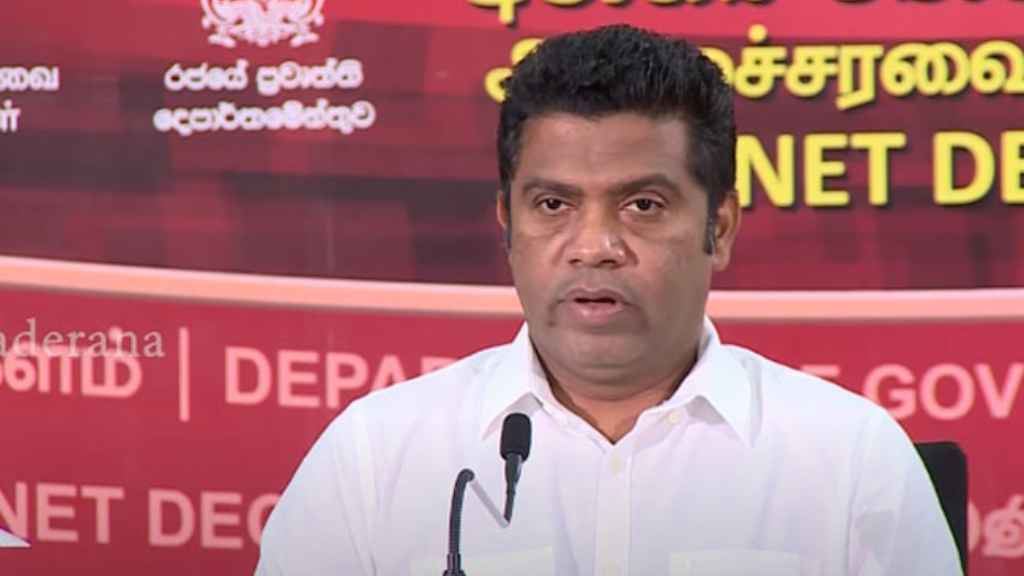
According to Cabinet Spokesman and Minister Dr. Nalinda Jayatissa, the project will be executed in two phases, beginning with a development stage followed by full-scale construction. Once operational, it is expected to function as a critical balancing tool within the power system, enabling more consistent electricity supply while reducing reliance on costly thermal generation during peak hours.
The approval of the Rs. 243 b Maha Oya pumped storage project gets Cabinet nod also aligns with broader policy efforts to modernise Sri Lanka’s energy infrastructure. The Government has increasingly prioritised investments that enhance grid flexibility and resilience, particularly as the share of intermittent renewable energy sources continues to rise. By smoothing out supply fluctuations, the project will support a more stable and efficient electricity market.
In addition to improving grid reliability, the project is expected to deliver economic benefits by optimising energy utilisation. Excess renewable energy that would otherwise be curtailed can be stored and deployed during periods of high demand, reducing wastage and improving overall system efficiency. This is particularly relevant in the context of Sri Lanka’s long-term energy strategy, which emphasises sustainability and cost-effectiveness.
The initiative also complements ongoing efforts to deploy battery energy storage systems across the country. While battery storage offers rapid response capabilities for short-term balancing, pumped storage hydropower provides a more cost-effective solution for large-scale, long-duration storage. Together, these technologies form a comprehensive framework for managing energy supply in a modern grid environment.
From a policy perspective, the project underscores the Government’s commitment to achieving energy security while advancing environmental goals. By facilitating greater integration of renewable energy, the Maha Oya development supports Sri Lanka’s transition toward a low-carbon energy mix, reducing dependence on fossil fuels and mitigating exposure to global fuel price volatility.
The Rs. 243 b Maha Oya pumped storage project gets Cabinet nod at a time when energy planning is becoming increasingly complex, requiring coordinated investments across generation, transmission, and storage. Industry analysts note that such projects are essential to ensuring that renewable energy expansion does not compromise grid stability, but instead enhances it.
Overall, the project represents a strategic investment in the future of Sri Lanka’s power sector. By combining advanced storage technology with forward-looking policy support, authorities aim to build a more resilient, efficient, and sustainable energy system capable of meeting the country’s growing electricity needs.