

Borrowers’ Platform marks a major shift in global finance as developing countries unite to strengthen debt coordination and amplify their collective voice. The initiative was unveiled during the IMF-World Bank Spring Meetings.
Borrowers’ Platform launched to strengthen debt coordination globally
Borrowers’ Platform represents a significant milestone in the evolution of global finance, offering developing countries a long-awaited mechanism to collaborate on sovereign debt challenges and strengthen their position within the international financial architecture. Launched during the IMF-World Bank Spring Meetings on 15 April, the initiative brings together finance ministers and central bank governors to exchange knowledge, coordinate policy approaches, and improve debt management outcomes.
The platform addresses a structural imbalance that has persisted for decades, where creditor coordination mechanisms have been well established, but borrowing nations have lacked a unified forum. By creating a dedicated space for engagement, the Borrowers’ Platform aims to enhance transparency, foster peer learning, and build technical capacity across participating countries. The initiative is supported by UN Trade and Development, which will serve as its Secretariat, leveraging its expertise in debt management and financial analysis.
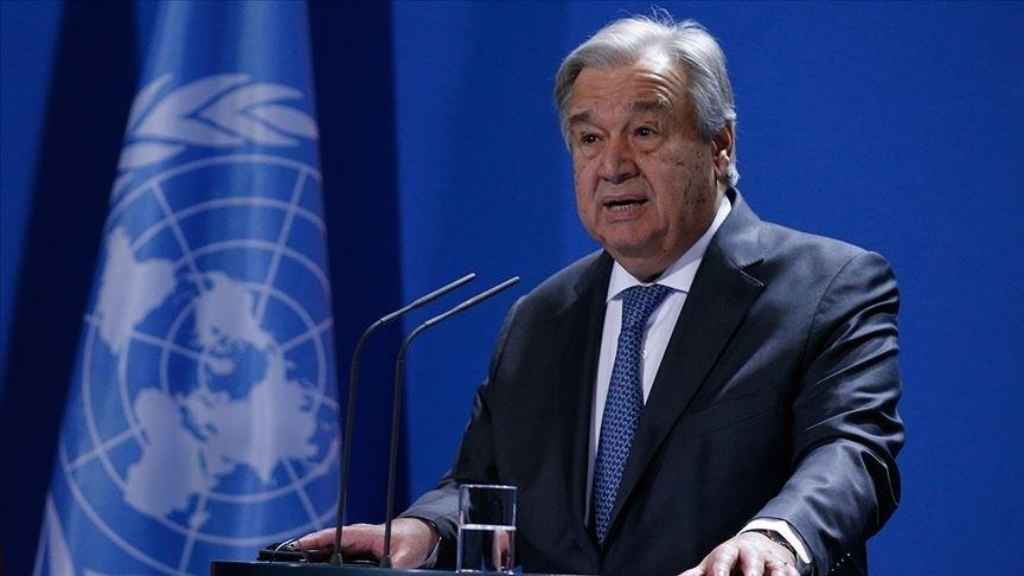
Speaking on the development, António Guterres described the Borrowers’ Platform as a “breakthrough in global financing,” highlighting its role in enabling countries to collaborate more effectively and articulate shared priorities in international debt discussions. His remarks reflect growing recognition that collective action among borrowers is essential in navigating increasingly complex global financial conditions.
The launch comes at a time when debt pressures across the developing world have reached unprecedented levels. External debt climbed to approximately $11.7 trillion in 2024, while debt servicing costs surged to around $920 billion. These rising obligations have constrained fiscal space, forcing many governments to divert resources away from critical sectors such as healthcare and education. Currently, 54 countries, representing a population of over 3.4 billion people, are spending more on debt servicing than on essential public services.
Against this backdrop, the Borrowers’ Platform is expected to play a critical role in strengthening debt management capacity and improving coordination among countries facing similar challenges. By facilitating the exchange of best practices and policy experiences, the platform can help governments make more informed decisions, manage risks more effectively, and enhance resilience in the face of external shocks.
The initiative also reflects broader efforts to reform the international financial system to better serve the needs of developing economies. First outlined in the Sevilla Commitment adopted at the Fourth International Conference on Financing for Development in 2025, the platform fills a longstanding gap by providing borrowers with a structured and continuous mechanism for engagement. This is particularly relevant in an environment where global financial conditions remain volatile, and access to affordable financing is increasingly constrained.
The Borrowers’ Platform has already secured strong political backing, with representatives from 30 countries participating in its launch. This includes a diverse group of economies, ranging from larger emerging markets to smaller and more vulnerable states, underscoring the widespread relevance of debt-related challenges. A working group led by Egypt as Chair and Pakistan as Vice Chair, alongside countries such as Colombia, Honduras, Maldives, Nepal, and Zambia, will guide the platform’s initial implementation phase.
Looking ahead, member states have agreed to expand participation, establish governance structures, and define a clear work program leading up to the IMF-World Bank Annual Meetings in October 2026. These steps are expected to institutionalise the platform and ensure its long-term effectiveness as a tool for collaboration and policy coordination.
Beyond its immediate benefits, the Borrowers’ Platform could also have positive implications for global financial stability. By improving transparency and strengthening debt sustainability practices, the initiative may help reduce uncertainty for investors and enhance market confidence. Over time, this could contribute to more stable capital flows and better financing conditions for developing countries.
As global finance continues to evolve, the Borrowers’ Platform stands out as a pragmatic and timely response to shared challenges. By giving borrowing nations a stronger collective voice and fostering cooperation, it has the potential to reshape how sovereign debt issues are addressed, ensuring that development priorities are not sidelined by rising financial pressures.