

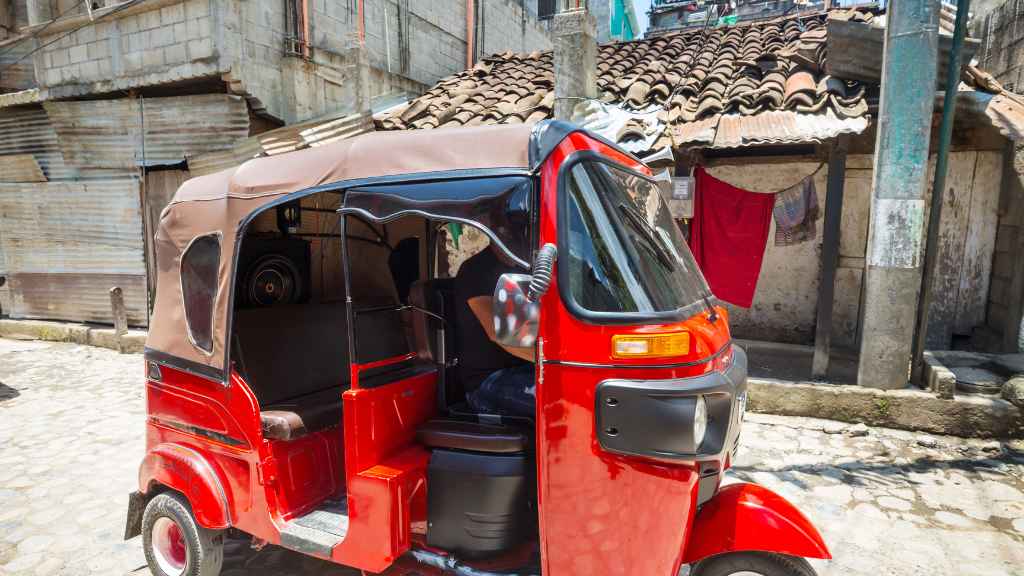
Electric three-wheelers gain attention as a health-conscious alternative for Sri Lankan drivers as concerns grow over occupational health risks linked to conventional fuel-powered vehicles, prompting a shift toward safer and more sustainable mobility solutions.
Electric three-wheelers gain attention as a health-conscious alternative in Sri Lanka transport
Three-wheelers remain a backbone of Sri Lanka’s transport ecosystem, providing essential last-mile connectivity and supporting the livelihoods of thousands of drivers across both urban and rural regions. However, recent research has highlighted a less visible cost associated with this sector. A study published in the Sri Lanka Journal of Occupational Health points to a high prevalence of lower back pain and musculoskeletal disorders among drivers, largely attributed to prolonged exposure to engine vibrations, extended working hours, and poor seating ergonomics. These findings have reframed what was once considered an individual health issue into a broader industry-level concern.
Within this context, the discussion around electric three-wheelers Sri Lanka is gaining traction, not only from an environmental standpoint but also from a health and productivity perspective. Unlike traditional internal combustion engine vehicles, electric three-wheelers operate with significantly reduced mechanical vibration. This difference fundamentally alters the driving experience, creating a smoother ride that reduces physical strain on the driver’s body over extended periods. Over time, this reduction in repetitive stress can have measurable impacts on long-term health outcomes, particularly in preventing chronic musculoskeletal conditions.
Ergonomics is another area where electric models are increasingly differentiated. Manufacturers are incorporating improved seating designs, better weight distribution, and more stable chassis configurations. These enhancements directly address posture-related challenges faced by drivers who spend long hours on the road. By improving seating alignment and reducing fatigue, electric vehicles contribute to safer driving conditions and potentially lower the risk of work-related injuries. As a result, electric three-wheelers gain attention as a health-conscious alternative for Sri Lankan drivers not just as a technological upgrade, but as a structural improvement in working conditions.
From an economic standpoint, the shift toward electric mobility is also being driven by cost considerations. Operating expenses for electric vehicles tend to be lower due to reduced fuel costs and fewer moving parts requiring maintenance. For individual drivers, this translates into higher net earnings over time, while fleet operators—particularly in logistics and delivery—stand to benefit from improved operational efficiency. Lower downtime due to mechanical failures and predictable energy costs make electric fleets an increasingly attractive proposition in a competitive market environment.
The environmental dimension further strengthens the case for adoption. Sri Lanka, like many developing economies, faces growing pressure to reduce urban air pollution and transition toward cleaner energy systems. Electric three-wheelers produce zero tailpipe emissions, contributing to improved air quality in densely populated areas. While the overall environmental impact depends on the energy mix used for electricity generation, the shift away from direct fossil fuel combustion represents a meaningful step toward reducing the transport sector’s carbon footprint. In this regard, the broader push for sustainable transport Sri Lanka aligns closely with national and global climate objectives.
Despite these advantages, adoption is not without challenges. Infrastructure limitations, particularly the availability of charging stations, remain a key barrier. Initial purchase costs for electric vehicles can also be higher compared to conventional models, although this gap is gradually narrowing as technology advances and economies of scale improve. Policy support, including incentives and financing mechanisms, will play a critical role in accelerating the transition and ensuring accessibility for drivers across income segments.
Another consideration is behavioural adaptation. Drivers accustomed to traditional vehicles may require time and training to fully leverage the benefits of electric systems, including energy management and maintenance practices. Addressing these gaps through awareness programmes and technical support will be essential in ensuring a smooth transition.
Importantly, the narrative around electric mobility in Sri Lanka is evolving. What was once primarily an environmental conversation is now expanding to include health, economics, and long-term sustainability. This multi-dimensional value proposition is reshaping how stakeholders—from policymakers to private operators—evaluate the role of electric vehicles within the transport ecosystem.
As electric three-wheelers gain attention as a health-conscious alternative for Sri Lankan drivers, the shift reflects a broader transformation in how mobility is defined and prioritised. By addressing both occupational health risks and environmental challenges, electric three-wheelers offer a pathway toward a more resilient and sustainable transport sector. Their adoption, if supported by the right policy and infrastructure frameworks, could redefine not only how people move, but also how drivers work and live within Sri Lanka’s evolving economic landscape.