

ADB backs Sri Lanka’s 2026–2030 export roadmap as NEDP gains momentum as the country accelerates efforts to strengthen its export sector under a structured, policy-driven framework. The initiative signals renewed focus on export-led growth aligned with national economic priorities.
ADB backs Sri Lanka’s 2026–2030 export roadmap as NEDP gains momentum with policy support
The Sri Lanka Export Development Board (EDB), working closely with the Asian Development Bank (ADB), is advancing the formulation of the National Export Development Plan (NEDP) for 2026–2030. The roadmap is designed to enhance trade competitiveness, diversify export markets, and support long-term economic resilience in line with the Government’s development vision.
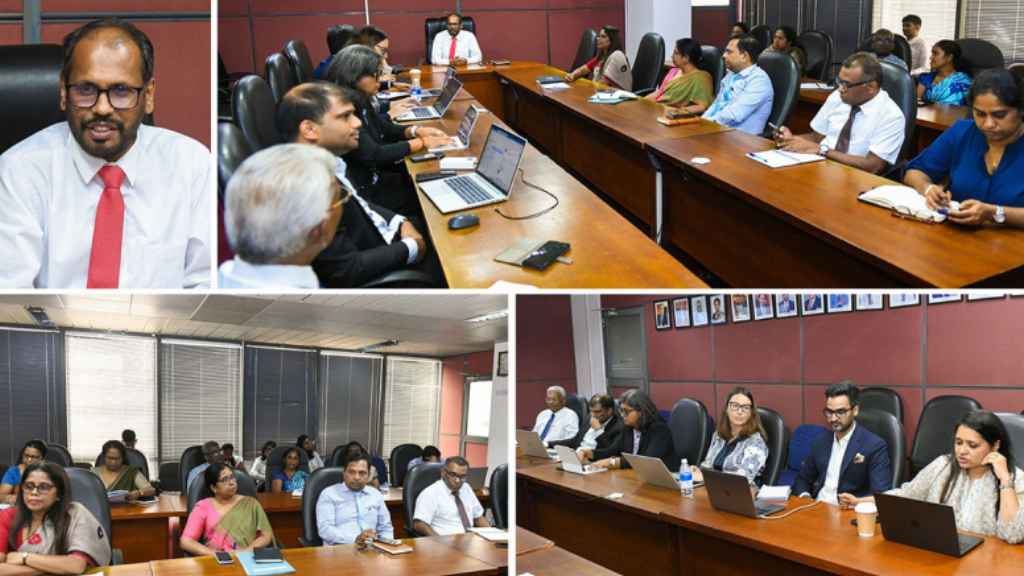
A key milestone in this process was the recent visit of an ADB fact-finding mission to Sri Lanka from April 27 to 30, 2026. The mission, conducted under the Trade, Investment, and Industry Development Policy-Based Lending (PBL) Program, reflects the growing emphasis on structured reforms to strengthen the country’s export ecosystem. During the visit, senior ADB officials engaged with EDB leadership to review progress and refine implementation strategies.
Discussions focused on assessing the current status of the NEDP and outlining the next phase of execution. This included deliberations on securing Cabinet approval, preparing for the formal launch of the plan, and identifying areas where technical expertise from ADB could accelerate progress. The collaboration underscores a coordinated approach to policy execution, with both institutions aligning on immediate priorities to ensure a smooth rollout.
The broader objective of the initiative is to position Sri Lanka as a competitive player in global trade by enhancing institutional capacity and improving the policy environment. Under the PBL framework, efforts are being directed toward strengthening governance structures, streamlining trade facilitation, and encouraging innovation across export-oriented industries. These measures are expected to contribute to sustainable economic growth while supporting businesses operating within the global value chain.
An important aspect of the plan involves establishing a robust implementation mechanism. Authorities are considering the formation of a high-level steering committee to oversee progress and ensure policy alignment across key government agencies. In parallel, a dedicated Project Management Unit is expected to be operationalised to coordinate activities, manage timelines, and monitor outcomes effectively.
In addition, a comprehensive monitoring and reporting system is being proposed to track performance indicators and measure the impact of the NEDP over time. This data-driven approach is intended to enhance transparency, improve accountability, and enable timely policy adjustments where necessary. It also reflects a shift toward results-based management practices within Sri Lanka’s export development framework.
The collaboration between the EDB and ADB is taking place against a backdrop of increasing global competition and evolving trade dynamics. For Sri Lanka, strengthening its export sector remains a critical priority, particularly as the country seeks to stabilise its economy and expand foreign exchange earnings. By focusing on export diversification and value addition, the NEDP aims to reduce reliance on traditional markets and create new growth opportunities.
ADB backs Sri Lanka’s 2026–2030 export roadmap as NEDP gains momentum through its continued technical and financial support, reinforcing confidence in the country’s reform agenda. The partnership highlights the importance of multilateral cooperation in addressing structural challenges and unlocking long-term economic potential.
As the plan moves closer to finalisation, stakeholders remain focused on ensuring that implementation is both timely and effective. The success of the NEDP will depend not only on policy design but also on execution, coordination, and sustained commitment from both public and private sector participants.
Looking ahead, the roadmap is expected to play a pivotal role in shaping Sri Lanka’s export landscape over the next decade. With institutional backing, targeted reforms, and strategic direction, the country is positioning itself to achieve stronger trade performance and more resilient economic growth.