

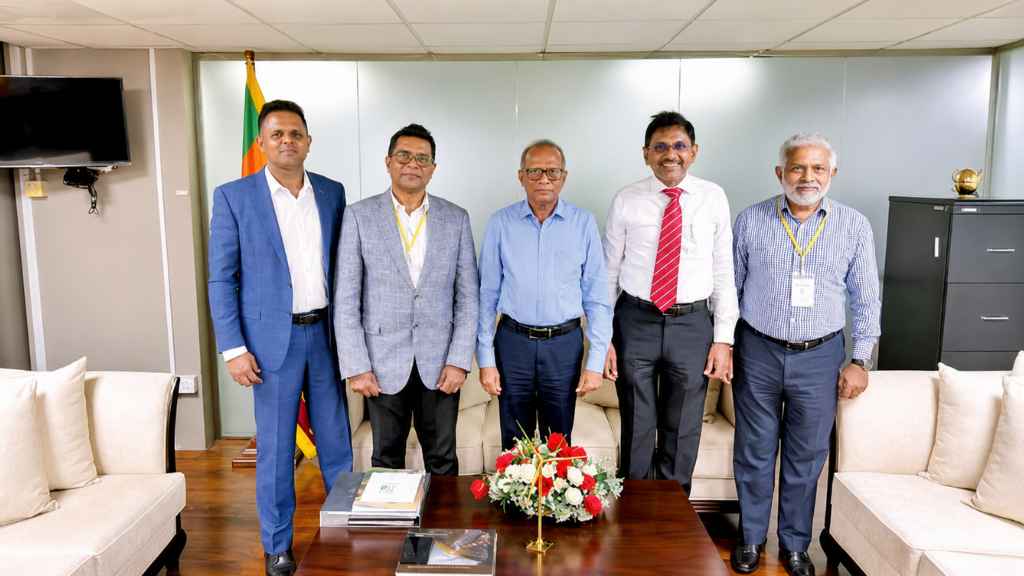
FTZ manufacturers push for energy reforms to strengthen export competitiveness as Sri Lanka’s export sector calls for lower industrial energy costs, faster implementation of power wheeling, and improved fuel access to remain competitive in global markets.
FTZ manufacturers push for energy reforms to strengthen export competitiveness through lower energy costs
The Free Trade Zone Manufacturers’ Association (FTZMA) has urged the Government to introduce a series of energy policy reforms aimed at reducing production costs for exporters and strengthening Sri Lanka’s position as an attractive destination for export-oriented manufacturing and foreign investment.
The proposals were presented during a meeting with Energy Minister Aruna Karunathilake, where the Association highlighted the growing impact of high industrial energy costs on manufacturers competing in international markets. According to the FTZMA, creating a more competitive and predictable energy framework is essential to sustaining export growth and attracting new investment.
A key priority identified by the Association is the implementation of power wheeling, a mechanism that would allow manufacturers to purchase renewable energy directly from independent power producers while using the national electricity grid for transmission. Although the Government has announced its policy direction, the FTZMA noted that the required regulatory and operational framework has yet to be fully implemented.
The Association argued that accelerating power wheeling would provide manufacturers with access to more reliable and competitively priced electricity, helping reduce operating costs while supporting Sri Lanka’s transition towards cleaner energy sources. It also said improved access to renewable electricity would enhance the country’s appeal among international investors, many of whom increasingly prioritize sustainability throughout their supply chains.
The FTZ manufacturers push for energy reforms to strengthen export competitiveness initiative also highlighted concerns over the pricing structure of industrial diesel. The Association called on the Government to review current pricing, arguing that industrial diesel is being sold at a higher price than auto diesel despite being a heavier and less-refined fuel primarily used for industrial machinery and power generation.
According to the FTZMA, the pricing disparity places an unnecessary financial burden on manufacturers and raises production costs at a time when Sri Lanka faces increasing competition from regional export hubs. The Association maintained that industrial diesel should be priced below conventional auto diesel to better reflect its characteristics and industrial use.
In addition to electricity and fuel pricing, the FTZMA proposed establishing dedicated fuel stations within the Katunayake and Biyagama Export Processing Zones. The Association said these facilities would ensure uninterrupted fuel supplies during periods of national shortages, enabling export manufacturers to continue operations without significant production delays or disruptions.
Dedicated fuel stations would also strengthen operational resilience by providing priority access to fuel for factories operating within Sri Lanka’s key export processing zones. This, the Association noted, would help safeguard export commitments and maintain confidence among international buyers.
During the discussions, representatives of the Government and the FTZMA also exchanged views on broader energy policy issues affecting industry. Both sides acknowledged the importance of maintaining regular dialogue between policymakers, trade chambers and the private sector to develop practical solutions that support economic growth.
The FTZ manufacturers push for energy reforms to strengthen export competitiveness proposal reflects growing calls from the manufacturing sector for policies that lower business costs while supporting sustainable industrial development. With renewable energy playing an increasingly important role in global manufacturing, industry leaders believe that timely reforms could significantly enhance Sri Lanka’s export competitiveness and long-term investment appeal.