

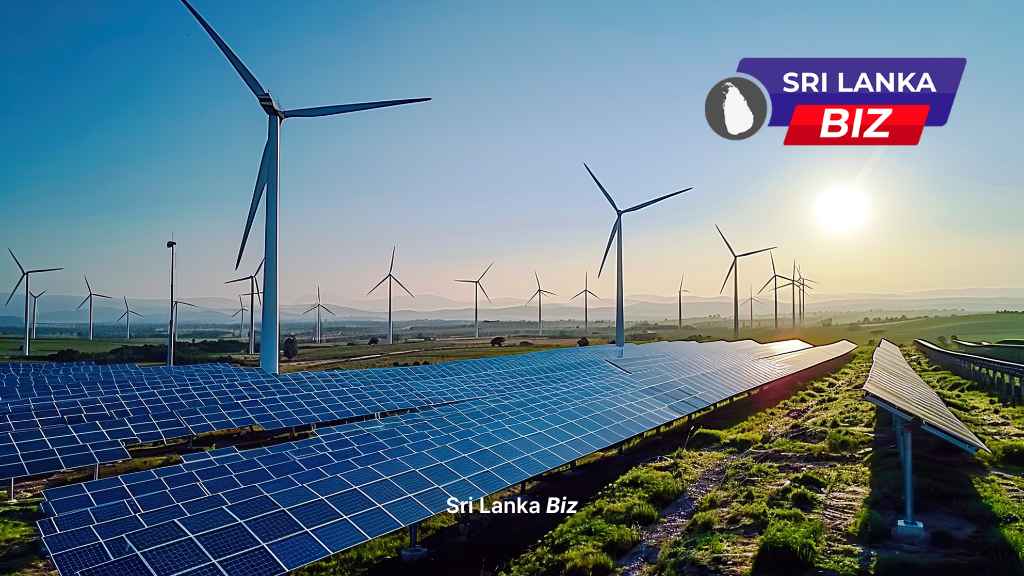
Sri Lanka Rooftop Solar Aggregation and Virtual Net Metering Project has received Cabinet approval to secure approximately US$57 million in financing from the Asian Development Bank (ADB), the European Union (EU), and the Japanese Fund for the Joint Crediting Mechanism (JFJCM), strengthening the country’s efforts to expand renewable energy generation.
Sri Lanka Rooftop Solar Aggregation and Virtual Net Metering Project secures ADB-led funding
Cabinet Spokesman and Minister Nalinda Jayatissa said the project has been identified as a priority initiative designed to support small and medium-scale renewable energy projects by improving the efficient use and distribution of rooftop solar power generated by independent power producers.
The financing package follows Cabinet approval granted in November 2025 to pursue funding through a Memorandum of Understanding with the Asian Development Bank and other development partners. Since then, negotiations on the proposed loans and grants have been completed, allowing the government to move forward with the financing agreements.
Under the approved proposal, Sri Lanka will enter into loan and grant agreements with the ADB and its development partners based on the terms negotiated between the parties.
The Asian Development Bank will provide a US$35 million concessional loan through its General Capital Resources, while the European Union will contribute a €15.4 million grant. In addition, the Japanese Fund for the Joint Crediting Mechanism (JFJCM) will provide a US$5.5 million grant to support project implementation.
The Sri Lanka Rooftop Solar Aggregation and Virtual Net Metering Project is expected to strengthen the country’s transition towards cleaner energy by enabling more effective integration of distributed solar power into the national electricity network. The virtual net metering mechanism is designed to allow electricity generated from rooftop solar systems to be aggregated and distributed more efficiently, improving the utilisation of renewable electricity across the grid.
The initiative is also expected to create new opportunities for independent power producers and encourage greater private sector participation in Sri Lanka’s clean energy sector. By supporting small and medium-sized solar projects, the programme aims to increase renewable electricity generation while improving energy security and reducing dependence on imported fossil fuels.
The project forms part of Sri Lanka’s broader strategy to accelerate investment in renewable energy and diversify its energy mix in line with national sustainability goals. Development financing from multilateral institutions and international partners continues to play an important role in supporting energy infrastructure projects that contribute to long-term economic resilience and lower carbon emissions.
Officials expect the project to help improve electricity distribution efficiency while expanding access to rooftop solar technology across the country. Once implemented, it is expected to contribute to Sri Lanka’s renewable energy targets and strengthen the resilience of the national power system through greater adoption of distributed solar generation.
The Cabinet’s latest approval marks the final step before the financing agreements are formally executed, enabling the government to proceed with the implementation of the Sri Lanka Rooftop Solar Aggregation and Virtual Net Metering Project with support from international development partners.