QR-based tea fertilizer system surpasses 2024/25 in 6 months
The QR-based tea fertilizer system surpasses 2024/25 in 6 months, marking a significant shift in Sri Lanka’s agricultural subsidy framework. The new digital.


The QR-based tea fertilizer system surpasses 2024/25 in 6 months, marking a significant shift in Sri Lanka’s agricultural subsidy framework. The new digital.
Tea prices extend slide for third straight month in March as Sri Lanka’s national tea auction averages continued to weaken, reflecting sustained downward.

Colombo facilitates climate transparency regional momentum as a recent workshop brought together countries across Asia and the Pacific to strengthen cooperation on climate.
Sri Lanka allows private rice imports to address shortage as authorities move to stabilize market supply and prices following forecasts of an acute.

Urea restricted to paddy to preserve stocks as Sri Lankan authorities move to safeguard fertiliser availability during the 2026 Yala cultivation season, prioritising.
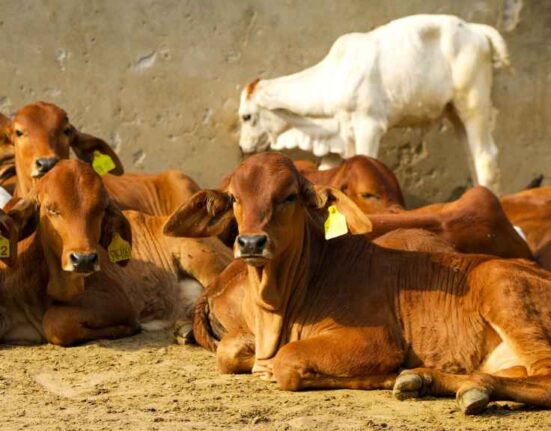
Sahiwal bulls are set to transform Sri Lanka dairy industry development after seven high-quality animals were imported from Pakistan to enhance genetics, increase.
National Sales Average tea January 2026 declined on both a monthly and annual basis, reflecting weaker realised prices across all elevations, according to.

Sri Lanka EU grant cooperation deepened as the country signed an €8 million agreement with the European Union to promote environmentally responsible practices.