

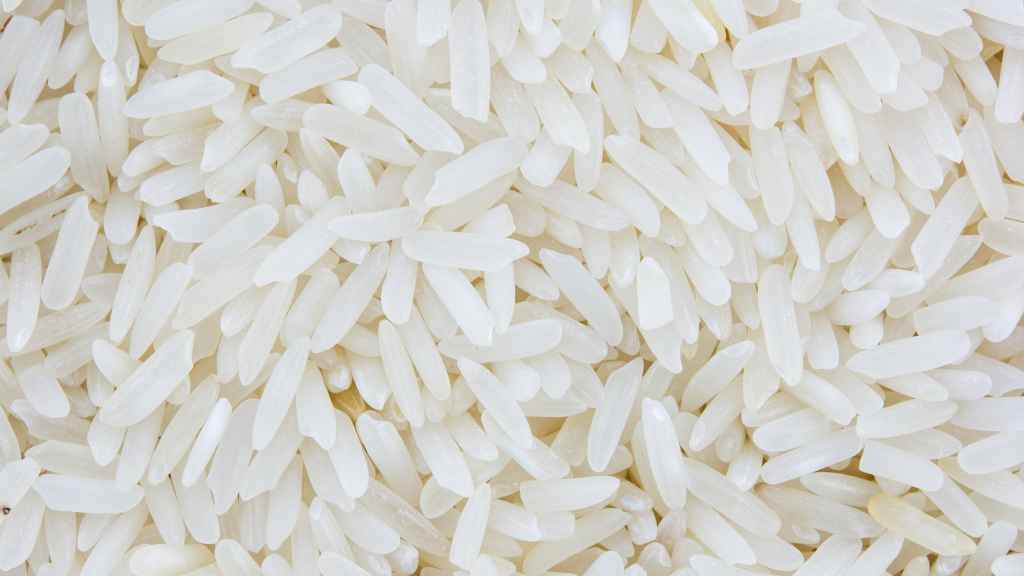
Sri Lanka allows private rice imports to address shortage as authorities move to stabilize market supply and prices following forecasts of an acute deficit in Samba and Keeri Samba varieties in the coming months.
Sri Lanka allows private rice imports to address shortage amid supply gap
Sri Lanka allows private rice imports to address shortage, with the government approving a temporary measure to ease anticipated supply constraints in key rice varieties. The decision comes in response to projections of a significant shortfall in Samba and Keeri Samba rice during the 2025/26 Maha Season, raising concerns over price stability and food security.
Cabinet approval has been granted to permit private sector importers to bring in up to 1,040 metric tons of rice, including Ponni Samba and Keeri/Paal Samba varieties, which are considered close substitutes for the locally preferred Samba and Keeri Samba. The imports will be classified under the Combined Classification Code (HS Code) 1006.30.29, ensuring regulatory clarity for traders.
Minister Nalinda Jayatissa stated that the move follows recommendations from key agricultural and research institutions, including the Department of Agriculture Sri Lanka, the Hector Kobbekaduwa Agrarian Research and Training Institute, and the Rice Research and Development Institute. These institutions have indicated that production levels of Samba and Keeri Samba during the Maha Season were insufficient to meet expected consumer demand.
The Sri Lanka allows private rice imports to address shortage policy is expected to play a critical role in preventing market disruptions, particularly as early indicators point to tightening supplies by May 2026. Officials have emphasized that the intervention is designed to ensure availability while maintaining price stability in the domestic market.
According to the government, the Food Policy and Security Committee identified the need for timely imports to bridge the supply gap. The committee highlighted that introducing substitute rice varieties such as Ponni Samba and Kiri Pal Ponni could help mitigate pressure on local stocks and provide consumers with affordable alternatives.
Under the approved framework, imports will be permitted between April 1 and April 30, offering a limited window for traders to secure and ship the required quantities. All imported stocks must be cleared through Sri Lanka Customs by May 31, ensuring that supplies reach the market ahead of the anticipated shortage period.
In a further effort to streamline the process, the government has waived the requirement for import control licenses for these specific rice varieties. This regulatory relaxation is expected to encourage broader participation from private importers and accelerate the inflow of essential food commodities.
The Sri Lanka allows private rice imports to address shortage measure reflects a pragmatic approach to managing food supply challenges, balancing domestic production constraints with the need to safeguard consumer interests. Analysts note that such targeted interventions can help stabilize markets in the short term, particularly when aligned with data-driven forecasts from agricultural institutions.
At the same time, the decision has drawn attention to underlying structural issues within the Sri Lanka agriculture sector, including variability in production and dependence on seasonal harvests. Experts suggest that while imports can address immediate shortages, longer-term strategies will be required to enhance productivity, improve irrigation systems, and strengthen supply chain resilience.
The Sri Lanka allows private rice imports to address shortage initiative also underscores the importance of coordinated policy responses in ensuring food security. By leveraging both public sector oversight and private sector participation, authorities aim to maintain equilibrium in supply and demand dynamics.
As the import window progresses, market participants will be closely monitoring price trends and availability across retail channels. The effectiveness of the policy will likely be assessed based on its ability to prevent sharp price increases and ensure consistent access to staple food items for consumers nationwide.