

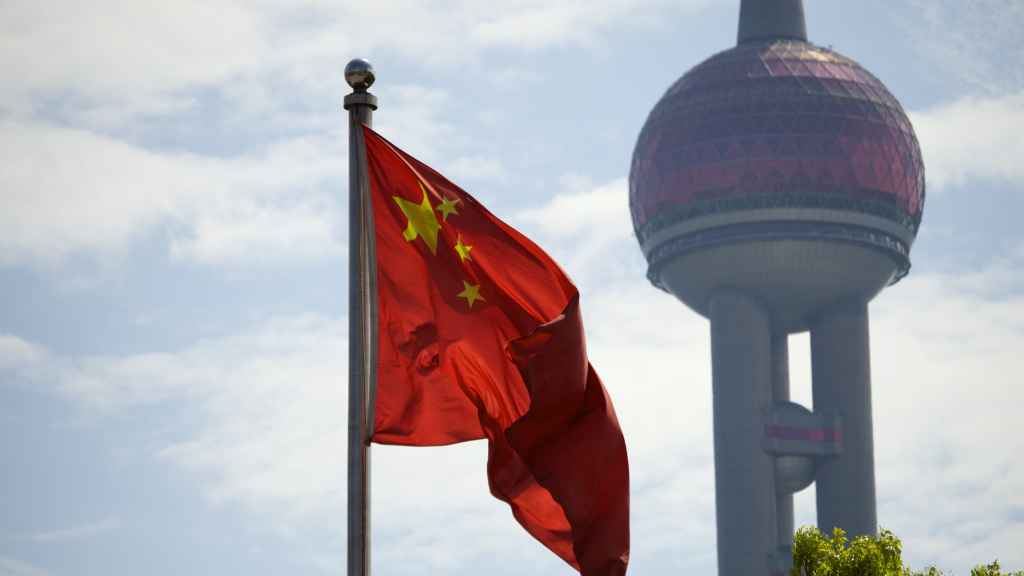
Sri Lanka China ties are set to deepen as Colombo signals a renewed commitment to transparent and mutually beneficial cooperation. The government says stronger engagement with Beijing will support economic recovery, infrastructure growth, and long-term development goals.
Sri Lanka China ties deepen under transparent, mutually beneficial framework
Sri Lanka has reiterated its intention to strengthen diplomatic and economic engagement with China, emphasizing transparency and shared benefits as the foundation of future cooperation. Foreign Minister Vijitha Herath made the remarks during the Chinese Lunar New Year Reception held at the Shangri-La Hotel in Colombo, underscoring Beijing’s longstanding role in supporting the island nation during pivotal periods.
Addressing diplomats and invited guests, Herath described China as a trusted partner that has consistently extended assistance during critical moments in Sri Lanka’s history. He expressed gratitude for Beijing’s support, particularly during recent severe weather events that affected large parts of the country, as well as continued collaboration across infrastructure development, trade, investment, tourism, education, and technology.
The minister stated that as Sri Lanka advances along its path of economic recovery and sustainable growth, the government aims to further consolidate its partnership with China in a manner aligned with the aspirations of both nations. The emphasis on transparency reflects Colombo’s attempt to reassure both domestic and international observers that future agreements will adhere to accountable governance standards.
Expanding Cooperation Across Key Sectors
The strengthening of Sri Lanka China ties extends beyond large-scale infrastructure projects. Herath highlighted growing exchanges in language studies, education, tourism, and cultural initiatives, describing them as evidence of deepening mutual understanding between the two societies.
China has long been a major investor in Sri Lanka’s infrastructure landscape, funding and constructing ports, highways, and urban development projects. As the country navigates post-crisis economic stabilization, renewed collaboration is expected to focus on revitalizing growth sectors, attracting foreign direct investment, and expanding technological cooperation.
Tourism, a vital foreign exchange earner for Sri Lanka, is also poised to benefit from stronger bilateral engagement. Increased connectivity and targeted promotion campaigns could help boost arrivals from China, historically one of Sri Lanka’s key tourism markets. Educational partnerships and student exchanges are similarly expected to play a role in reinforcing long-term diplomatic goodwill.
A Strategic Balancing Act
The renewed emphasis on engagement with Beijing comes within a broader foreign policy recalibration under President Anura Kumara Dissanayake and the National People’s Power government, which assumed office in September 2024. Since then, the administration has adopted a pragmatic non-aligned approach, moving away from earlier ideological rhetoric and toward strategic equilibrium between regional powers.
Despite the Janatha Vimukthi Peramuna’s historical opposition to Indian influence, the current leadership has prioritized stabilizing relations with New Delhi. President Dissanayake’s first overseas visit to India in December 2024 was widely interpreted as a gesture of reassurance. During that visit, he affirmed that Sri Lanka’s territory would not be used in ways that undermine India’s regional security interests.
That outreach was followed by a high-level visit to Beijing in January 2025, where Sri Lanka secured a $3.7 billion refinery investment and reaffirmed support for the Belt and Road Initiative. The sequence of diplomatic engagements highlights Colombo’s effort to navigate complex geopolitical terrain while securing critical development financing.
Hedging Between Two Asian Powers
Analysts view the current approach as a calculated hedging strategy designed to maximize economic gains while minimizing geopolitical risks. By strengthening defense cooperation and security assurances with India alongside infrastructure and investment partnerships with China, Sri Lanka aims to avoid becoming entangled in zero-sum rivalries between the two regional giants.
This balancing policy seeks to insulate the island nation from external pressure while leveraging competition for development advantages. Infrastructure modernization, energy security, and export growth remain central priorities as Sri Lanka continues to rebuild from its recent economic crisis.
The government’s framing of Sri Lanka China ties as “mutually beneficial” and “transparent” suggests heightened sensitivity to past criticisms surrounding debt sustainability and governance. By emphasizing openness and shared prosperity, Colombo appears intent on reinforcing investor confidence and maintaining credibility among international financial institutions.
Economic Recovery and Long-Term Outlook
Sri Lanka’s renewed diplomatic momentum comes at a crucial juncture in its recovery process. Sustained foreign investment and expanded trade partnerships are considered essential for stabilizing public finances, generating employment, and enhancing productive capacity.
China’s role in financing large-scale infrastructure and industrial projects could contribute significantly to these objectives, provided agreements are structured with clear oversight mechanisms and long-term viability in mind. Meanwhile, diversified trade and investment flows from India and other partners remain critical to ensuring balanced growth.
As regional dynamics continue to evolve, Sri Lanka’s foreign policy trajectory will likely remain defined by strategic pragmatism. The government’s dual engagement model underscores a broader effort to safeguard sovereignty while advancing economic resilience.
The reaffirmation of Sri Lanka China ties at a high-profile diplomatic gathering signals continuity rather than departure. However, the explicit focus on transparency and shared benefit reflects lessons drawn from past experiences and a determination to chart a more sustainable course forward.