

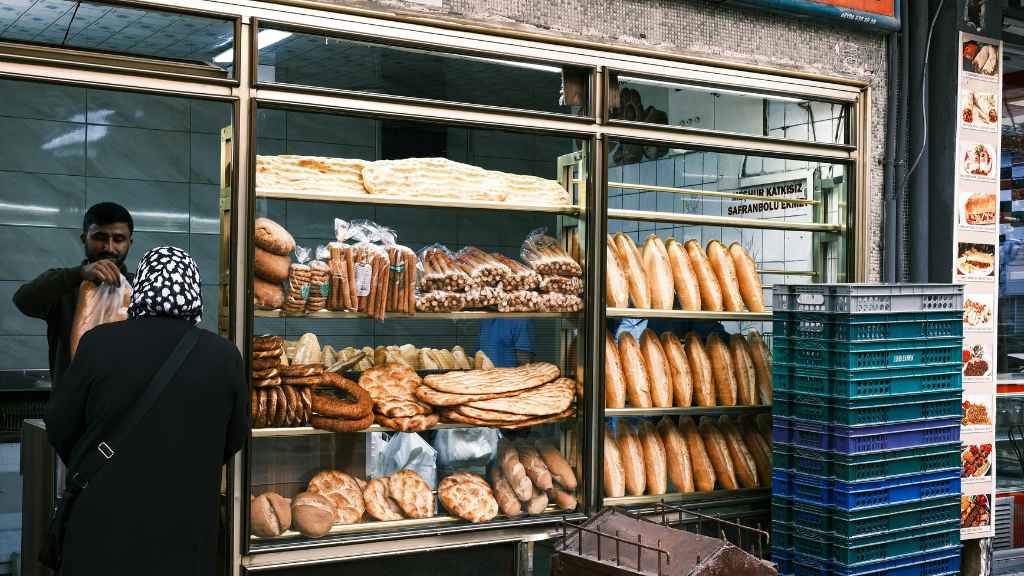
Sri Lanka increases prices of bakery products, bread by Rs10, effective from midnight today, the All Ceylon Bakery Owners’ Association announced. This move reflects rising production and distribution costs following the recent fuel price hike.
Sri Lanka increases prices of bakery products amid rising fuel and transport costs
Consumers across Sri Lanka will face higher bakery product prices starting today, with the All Ceylon Bakery Owners’ Association confirming an increase of Rs10 for a 450g loaf of bread. The new price of a standard loaf will now be 130 rupees, while other bakery items will see similar increments.
Bakery owners attribute the price hike primarily to the recent surge in fuel prices, which has significantly affected production and distribution costs. A representative from the association told EconomyNext that transportation costs alone have risen by nearly 30 percent, putting additional pressure on the already thin profit margins of small and medium bakery businesses.
The impact of rising fuel costs on the bakery sector is notable, given the essential nature of bread and related products in the daily diet of Sri Lankans. Many bakeries rely on timely deliveries to maintain product freshness, and increased transportation expenses inevitably translate into higher retail prices for consumers.
Economists note that price adjustments in staple goods like bread are often among the first indicators of inflationary pressure in the market. While a Rs10 increase may appear modest, the cumulative effect across all bakery products can influence household budgets, particularly for lower-income families who allocate a significant portion of income to daily essentials.
The All Ceylon Bakery Owners’ Association emphasized that the decision was unavoidable, citing a combination of higher raw material costs and the spike in fuel prices. Wheat, flour, and other key ingredients have also seen price volatility in the global market, further complicating the cost structure for local bakeries.
Industry observers highlight that while consumers may feel the immediate effect at the checkout, the move is also a step to ensure the sustainability of bakery businesses. Many smaller bakeries operate on tight margins, and prolonged periods of unadjusted pricing could lead to operational challenges, including delayed deliveries or reduced production capacity.
The government’s recent policy changes and fuel price adjustments have had a cascading effect across multiple sectors, with the bakery industry being one of the earliest to respond through price revisions. Analysts suggest that such increases, although necessary for business continuity, can contribute to broader inflation trends in the country if not monitored carefully.
Some consumer advocacy groups have expressed concern over rising food costs, urging the government to provide temporary relief measures or subsidies to cushion the impact on households. Meanwhile, bakery associations argue that their price adjustments are minimal compared to the cost pressures they face, positioning the increase as a necessary measure rather than an opportunistic hike.
As the price change takes effect, consumers are advised to plan their purchases accordingly, with the expectation that the higher costs may persist until input and transportation expenses stabilize. The industry is also closely monitoring fuel and material price trends to anticipate future adjustments, ensuring that bakery products remain available without compromising quality or supply.
The Rs10 increase represents a careful balancing act: maintaining business viability while minimizing the burden on consumers. The bakery sector’s response to economic pressures underscores the interconnectedness of fuel costs, raw material prices, and essential goods pricing in Sri Lanka’s broader economic landscape.