

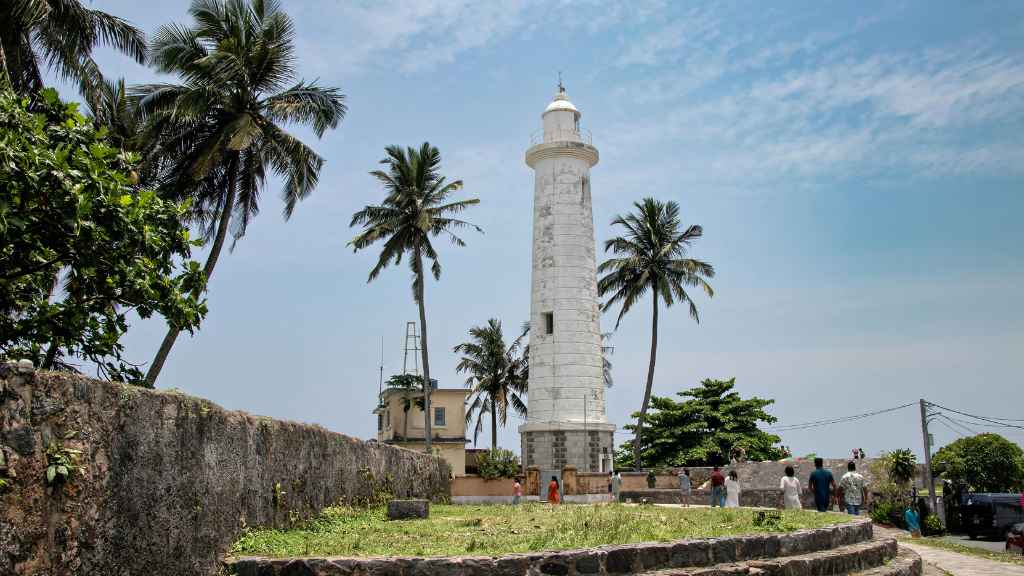
Sri Lanka to convert courts at Galle Fort for tourism project as the government moves to enhance visitor experience and unlock the heritage site’s economic potential through planned redevelopment.
Sri Lanka to convert courts at Galle Fort for tourism project to boost visitor access
Sri Lanka to convert courts at Galle Fort for tourism project following cabinet approval to transfer the existing courts complex within the historic fort to the Urban Development Authority (UDA), paving the way for a large-scale redevelopment initiative aimed at boosting tourism and improving accessibility.
Minister Vijitha Herath confirmed that the High Court and Magistrate’s Court currently operating within the fort premises will be relocated to a newly constructed courts complex in Beligaha, Galle. The relocation is expected to ease congestion within the fort, which has long been identified as a key bottleneck affecting both visitors and local operations.
The decision comes amid increasing focus on optimizing the use of heritage sites to support Sri Lanka’s tourism-driven economic recovery. The Urban Development Authority will spearhead the integrated development project, which aims to conserve historically significant structures while repurposing them for tourism-related activities.
Authorities note that more than 300,000 tourists visit Galle Fort annually, making it one of the country’s most prominent attractions. However, the coexistence of administrative and institutional buildings within the fort has created logistical challenges. Roads within the fort often become congested during daytime hours due to official operations, while certain areas remain underutilized or isolated at night, limiting the overall visitor experience.
Officials believe that relocating the courts complex will allow for better spatial planning and improved pedestrian access, enabling the fort to function more effectively as a tourism hub. The initiative is expected to address long-standing concerns raised by stakeholders in the tourism industry regarding accessibility, mobility, and the optimal use of heritage assets.
The redevelopment plan will focus on preserving buildings of archaeological and historical value, aligning with international conservation standards. At the same time, authorities intend to introduce tourism-oriented infrastructure that enhances the site’s appeal while maintaining its cultural integrity. This dual approach is expected to position the project as a model for sustainable heritage tourism in Sri Lanka.
From an economic perspective, the move is also seen as part of broader efforts to strengthen Sri Lanka tourism by increasing visitor engagement and extending the duration of tourist stays. By transforming underutilized government buildings into attractions or service-oriented facilities, the project could generate new revenue streams and create employment opportunities within the local economy.
Industry observers highlight that Galle Fort holds significant potential for high-value tourism, particularly in segments such as cultural tourism, boutique hospitality, and experiential travel. Enhancing the usability of the site through careful urban planning could further elevate its status as a premium destination within Sri Lanka’s tourism portfolio.
The relocation of judicial functions to Beligaha is also expected to improve operational efficiency for the legal system by providing modern infrastructure better suited to court proceedings. This separation of administrative functions from tourism spaces aligns with urban planning best practices, ensuring that each area serves its primary purpose effectively.
The UDA’s integrated development strategy is likely to include improvements to public spaces, infrastructure upgrades, and potential partnerships with private sector stakeholders. Such collaborations could accelerate project implementation and bring in specialized expertise in heritage conservation and tourism development.
While timelines and investment details have yet to be disclosed, the approval marks a significant policy step toward reimagining the use of one of Sri Lanka’s most iconic heritage sites. The project reflects a growing recognition of the need to balance preservation with economic utilization in order to maximize the long-term value of national assets.
As Sri Lanka to convert courts at Galle Fort for tourism project moves into the implementation phase, stakeholders will be closely monitoring how effectively the initiative integrates conservation priorities with commercial objectives. The success of the project could have wider implications for similar developments across the country, particularly in areas where heritage and tourism intersect.