

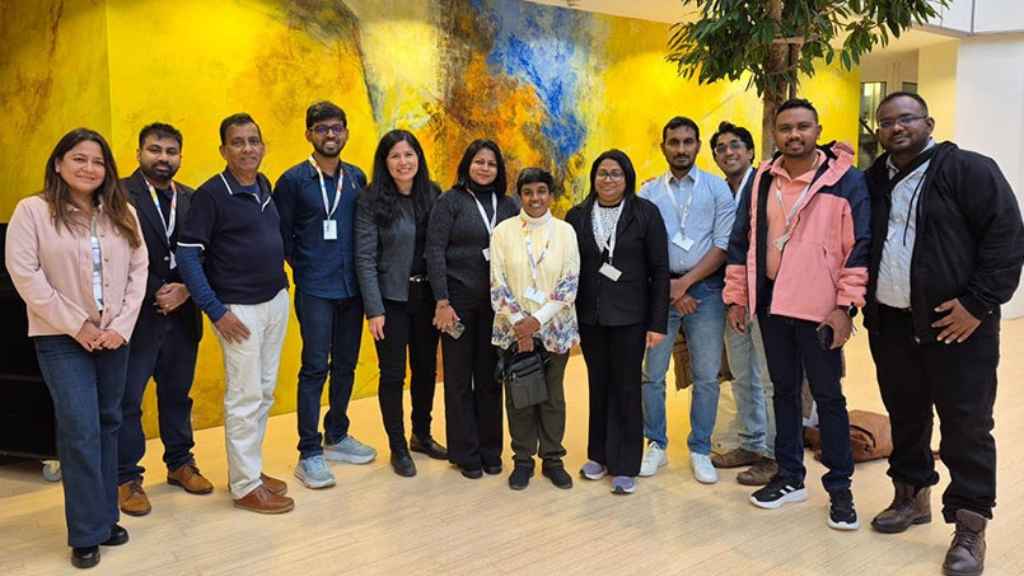
Sri Lankan SMEs explored European markets at BIOFACH 2026 in Nuremberg, gaining practical guidance on EU regulations, buyer engagement, and market strategies. The program strengthened readiness for international expansion and strategic export growth.
Delegation gains EU market insights and buyer connections at Nuremberg trade fair
A delegation of Sri Lankan SMEs, including several women-led enterprises in the spice, coconut, dehydrated fruits, and coffee sectors, participated in a market exposure and capacity-building program alongside BIOFACH 2026 in Nuremberg, Germany. The initiative aimed to enhance their preparedness for entering and expanding within the European market.
Organized by the Sri Lanka Export Development Board (EDB) in collaboration with the Import Promotion Desk (IPD) and the Sri Lanka Embassy in Berlin, the program offered hands-on support to help SMEs navigate the complexities of international trade. A pre-fair workshop equipped participants with practical insights on refining sales approaches, structuring pitches, and preparing effectively for engagements with European buyers.
“Sessions with sales coaches further enhanced the SMEs’ confidence and readiness to engage with international importers,” the EDB noted, emphasizing that the program targeted both business acumen and market intelligence.
Delegates attended workshops led by German and European industry experts, certification authorities, and testing agencies, which provided critical information on EU regulations, certification requirements, quality assurance protocols, and market expectations. These sessions helped SMEs understand the technical and operational standards required to compete in European markets, particularly for organic and high-quality food products.
In addition to workshops, each SME conducted focused market research tailored to their product category. The participants analyzed trends, competitive landscapes, pricing structures, and consumer preferences to better position their offerings for European buyers. Visits to organic and conventional supermarkets provided direct exposure to end-market requirements, including product packaging, branding, certification compliance, and consumer behavior patterns.
The delegation also toured a German spice manufacturing facility to observe European processing systems, hygiene standards, and safety protocols, allowing them to benchmark production and quality practices against European standards. This hands-on experience offered a practical perspective on aligning Sri Lankan manufacturing practices with EU expectations.
A dedicated business-to-business (B2B) matchmaking component was implemented under the Sri Lanka Export Excellence Initiative, in partnership with the International Finance Corporation (IFC) and the European Union (EU) through the regional Accelerating Climate Smart and Inclusive Infrastructure in South Asia (ACSIIS) program. These tailored meetings allowed each SME to engage with importers aligned with their product portfolios and market positioning.
During the one-on-one meetings, participants pitched their products to prospective EU buyers and importers, gaining direct feedback on market readiness, product appeal, and commercial opportunities. These sessions helped SMEs refine their market entry strategies while building tangible business connections.
Beyond immediate business opportunities, the program emphasized capacity building, knowledge exchange, and long-term market integration. SMEs developed a deeper understanding of European supply chains, regulatory compliance, and quality assurance practices, equipping them with tools to compete effectively in highly competitive markets.
By participating in BIOFACH 2026, Sri Lankan SMEs not only showcased their high-quality products but also enhanced their international visibility. The exposure to European market dynamics, buyer expectations, and industry best practices strengthens the strategic capabilities of Sri Lankan exporters, particularly in the organic and specialty food sectors.
The program highlights the importance of structured support for SMEs aiming to expand internationally. Combining training, market research, B2B matchmaking, and exposure to operational benchmarks allows small and medium-sized enterprises to scale systematically, reduce entry risks, and align with global standards.
With initiatives like this, Sri Lanka continues to reinforce its export readiness and promote its diverse agri-based products to global markets. The collaboration between EDB, IPD, the Sri Lanka Embassy in Berlin, IFC, and EU-backed initiatives demonstrates a commitment to sustainable, inclusive, and climate-smart trade development.
Overall, BIOFACH 2026 served as both a practical and strategic learning platform, providing Sri Lankan SMEs with insights, connections, and actionable strategies to access the European market. By combining regulatory understanding, hands-on exposure, and personalized matchmaking, the delegation is better positioned to expand exports and strengthen Sri Lanka’s footprint in international trade.