

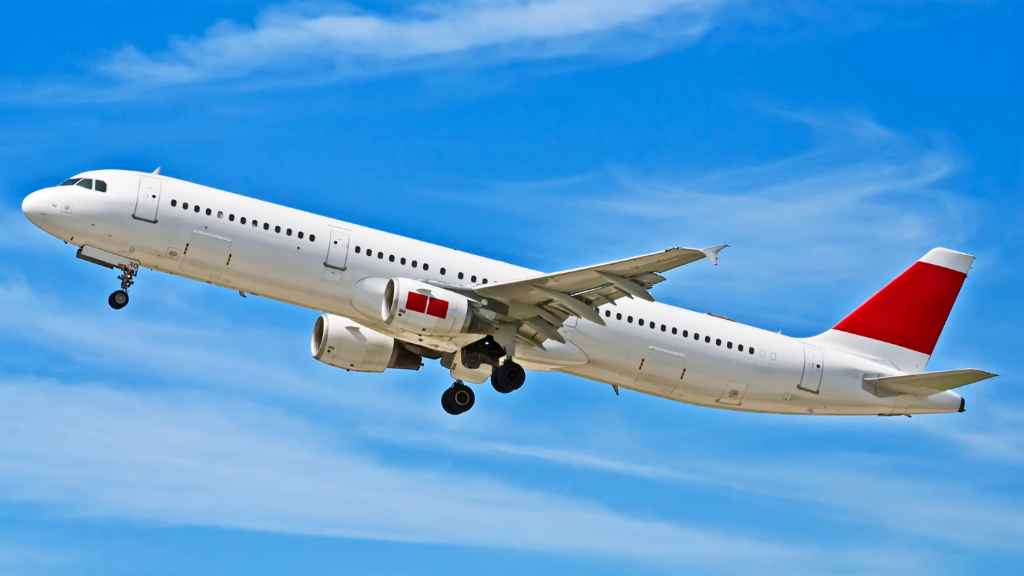
The corrupt Airbus deal cost SriLanka national carrier US$400mn, according to fresh disclosures by Minister Anura Karunathilaka. The revelations revive scrutiny over past procurement scandals and the heavy financial burden placed on the struggling airline.
Minister says corrupt Airbus deal cost SriLanka national carrier US$400mn as losses escalate
Sri Lanka’s national airline has once again come under the spotlight after Ports and Civil Aviation Minister Anura Karunathilaka revealed that a corrupt aircraft procurement deal from 2013–2014 cost the carrier an estimated 400 million US dollars. The minister’s remarks shed new light on long-alleged irregularities surrounding aircraft purchases made during that period, deepening public concern about governance failures within state-owned enterprises.
According to Minister Karunathilaka, SriLankan Airlines acquired A350 and A330 aircraft through direct purchases from Airbus as well as via leasing firms. The fleet expansion plan was marketed at the time as a move to modernise operations and improve long-haul competitiveness. However, all A350 orders were eventually cancelled after internal and external reviews raised red flags over the structure and negotiation process behind the contracts.
The cancellations alone resulted in a staggering penalty payment of 115 million US dollars. The minister said the penalties stemmed from a lack of proper negotiation, highlighting major procedural lapses in how the airline handled the agreements. He stressed that these financial losses were entirely avoidable had due diligence and competitive bidding practices been followed. The fallout from the cancellations was compounded by additional procurement missteps linked to the same deal.
Karunathilaka detailed that two ageing A330 aircraft had been purchased at a price 50 million dollars above prevailing market value. These acquisitions raised serious concerns about valuation, internal oversight, and the influence of intermediaries involved in the transactions. Combined with the cancellation penalties and inflated purchase costs, the overall burden placed on the already loss-making airline totalled approximately 400 million dollars, according to the minister.
The revelations also revive attention to investigations previously carried out by international authorities. Britain’s Serious Fraud Office, working alongside French prosecutors, imposed substantial penalties on Airbus after uncovering evidence of bribes paid in connection with aircraft sales in multiple countries. These findings triggered renewed inquiries within Sri Lanka, leading to the arrests of former SriLankan Airlines Chief Executive Kapila Chandrasena and his wife over alleged money-laundering activities connected to the aircraft procurement.
Court filings in those cases revealed allegations that the spouse of a senior airline executive had been offered a 16-million-dollar bribe linked to the Airbus transaction. While the investigations created strong public outcry at the time, calls have since resurfaced for the government to seek compensation from Airbus for losses incurred. Whether such claims would succeed remains unclear, but the minister’s latest comments have reignited demands for accountability and restitution.
Industry officials have previously stated that the airline’s high leasing fees on certain aircraft were also influenced by inflated contract values negotiated during the disputed procurement period. This means the financial repercussions extended beyond the immediate penalties and overpriced acquisitions, affecting long-term operational costs as well. The cumulative impact has deepened the carrier’s losses and added pressure on the state to allocate funds to keep the airline afloat.
The minister’s remarks underscore a wider systemic issue: chronic procurement corruption within Sri Lanka’s state-owned enterprises. For decades, national institutions have been plagued by opaque decision-making processes, politically linked intermediaries, and weak oversight mechanisms. SriLankan Airlines, one of the largest state entities and a frequent target of political interest, has been particularly vulnerable to such practices. The fallout from the Airbus deal signals the need for stronger safeguards, transparent frameworks, and independent oversight to prevent similar losses in the future.
As public frustration grows, policymakers are once again under pressure to implement deep structural reforms in the airline’s management and procurement protocols. Some experts argue that the government must prioritise modernised governance standards, while others recommend partial or full privatisation to reduce political interference. Regardless of the direction chosen, the minister’s disclosures reaffirm that past decisions continue to shape the airline’s present financial instability.
SriLankan Airlines remains a symbol of national pride yet also a reminder of how mismanaged deals can burden taxpayers for years. As the corrupt Airbus deal cost SriLanka national carrier US$400mn, according to the minister’s estimate, the path ahead will depend on how effectively the government enforces accountability and ensures transparency in future aviation-related investments. For now, the public awaits clarity on whether compensation will be pursued and how reforms will be implemented to avoid repeating costly mistakes.