

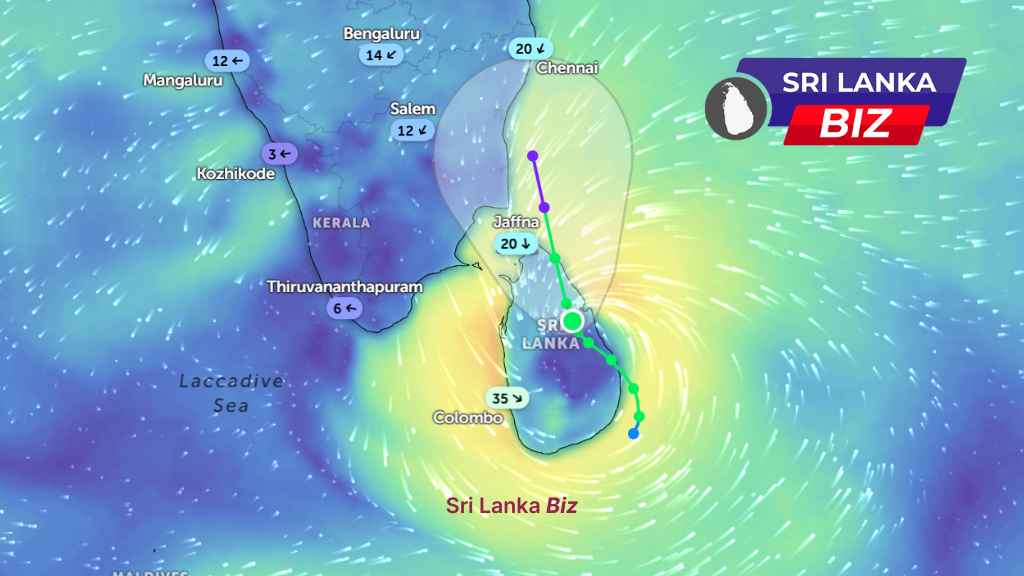
The Sri Lanka wildlife parks network has been largely closed to tourists after Cyclone Ditwah triggered intense rains, flooding and landslides across the island. The shutdown aims to protect visitors as conditions worsen and emergency operations intensify.
Tourist access restricted as Sri Lanka wildlife parks close amid severe cyclone impacts
Sri Lanka’s Department of Wildlife announced that most national parks—including Horton Plains, Wasgamuwa, Kumana, Wilpattu, Minneriya and Kawudulla—would remain entirely closed until further notice as the cyclone continues to batter multiple regions. The agency confirmed that only one section of Yala National Park, specifically Block 06 accessed through the Kalupalama entrance, would stay open for limited activity. All other visitor routes within Yala, including Blocks 01, 02, 03 and 04, have been shut due to safety concerns arising from unstable terrain and rising water levels.
Officials explained that the closures were necessary as torrential rainfall and landslides swept through central, eastern and northern districts, leaving over three dozen people dead and prompting widespread evacuations. With Cyclone Ditwah intensifying its grip on the island, authorities have warned that entering forest reserves or protected zones poses significant risks due to falling trees, swollen streams, and the potential for sudden ground movement. These hazards have made routine park activities impossible to manage safely.
The Sri Lanka Tourism Development Authority urged travelers to remain vigilant, adding that its emergency hotline, 1912, is available for assistance. Coordination efforts are underway with the Tourist Police, Disaster Management Centre, and various regional agencies to support both domestic and international visitors affected by the sudden closures. Tourism officials stressed that visitor safety is their top priority, especially as weather forecasts signal continued rainfall and expanding areas of disruption.
Among the hardest-hit regions is Kandy, which recorded 223 millimeters of rainfall during the 24 hours ending early on November 28. Landslides and flash floods have forced road closures throughout the hill country, complicating rescue operations and preventing travel to and from major tourist destinations. In Ella, located in the Badulla district, rainfall reached 168 millimeters, worsening mudslide threats and damaging road networks. Several access routes to Kandy faced intermittent shutdowns due to rockfalls, while areas in Anuradhapura and Polonnaruwa experienced significant flooding that submerged key roadways and limited mobility.
The ongoing crisis has disrupted institutions beyond the tourism sector. Sri Lanka’s parliament suspended its budget debate for two days as the situation escalated, allowing authorities to focus on emergency coordination and disaster response measures. Schools were also closed, and public examinations postponed as communities confronted rising waters, blocked roads, and widespread infrastructure challenges. Officials have asked the public to avoid unnecessary travel and follow advisories issued by local authorities and the meteorological department.
Environmental experts note that large-scale park closures are a rare measure, typically reserved for periods of extreme weather or heightened ecological risk. Cyclone Ditwah, however, has created conditions severe enough to endanger both wildlife and visitors, prompting an urgent need for protective controls. In some cases, heavy floods can displace animals, alter migration patterns or trap wildlife in higher-risk zones, making human presence in protected areas more dangerous during such events.
Authorities emphasized that the temporary closures will remain in place until ground assessments confirm that terrain, rivers, and internal roads are safe enough to reopen. This process may take several days depending on the extent of rainfall and damage. For now, researchers, rangers and emergency responders are working within limited areas of the parks to monitor wildlife conditions, assess structural damage, and ensure that any trapped animals receive attention once conditions allow safe access.
Cyclone Ditwah’s impact has also revived ongoing conversations around climate resilience in Sri Lanka’s tourism sector. With the expanding frequency of extreme weather events, stakeholders are calling for enhanced planning and stronger protective infrastructure in and around major ecological attractions. Tourism operators have echoed these concerns, noting that long-term preparedness will be crucial to safeguarding both the industry and the country’s renowned natural habitats.
Despite the current setbacks, authorities expect park operations to gradually resume when the immediate threat subsides. Weather conditions are being monitored closely, with regular updates expected through government channels. Until then, Sri Lanka wildlife parks remain largely inaccessible as the country directs its resources toward safeguarding lives and managing the cyclone’s widespread disruptions.