

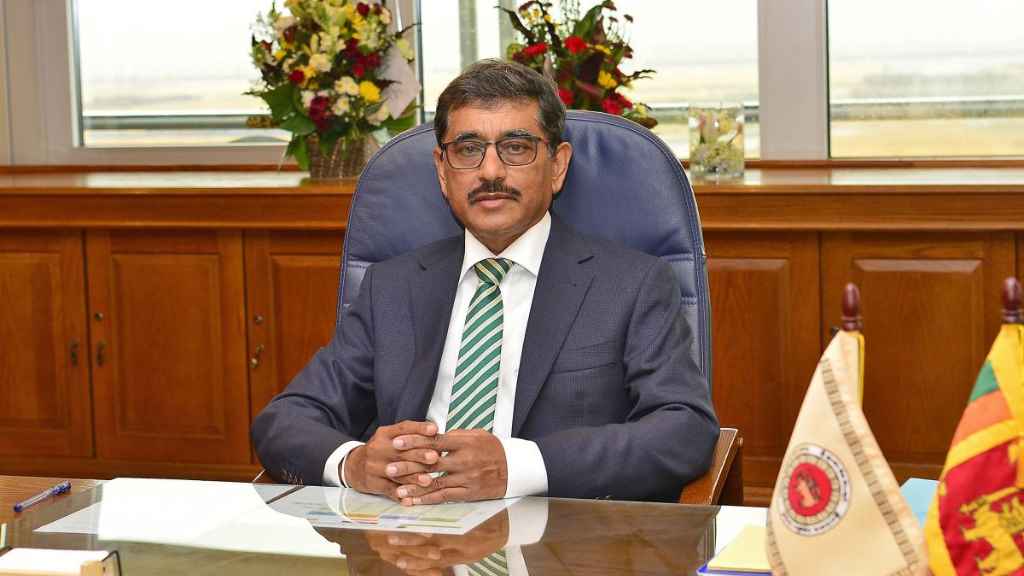
The CBSL economic shock absorbers remain firmly in place as Sri Lanka navigates fresh climate and economic uncertainties. Central Bank Governor Dr. Nandalal Weerasinghe reassured the business community that the nation is far stronger than during previous crises. With fiscal, monetary and external buffers already activated, Sri Lanka is better equipped to handle unexpected volatility.
CBSL economic shock absorbers ready to protect Sri Lanka from new shocks
The Central Bank of Sri Lanka has reaffirmed that the CBSL economic shock absorbers are strong enough to withstand sudden disruptions affecting the national economy. Addressing the Sri Lanka Economic and Investment Summit 2025, Governor Dr. Nandalal Weerasinghe said Sri Lanka now holds greater resilience to external and climate-related shocks compared to earlier years. He noted that the country’s preparedness across fiscal, monetary and external sectors places it in a more stable position to absorb unforeseen challenges.
Dr. Weerasinghe explained that the Central Bank has steadily strengthened its macroeconomic buffers in anticipation of unpredictable events. He recalled that Sri Lanka successfully navigated an unexpected external shock earlier this year due to these safeguards. Climate-driven disruptions such as Cyclone Ditwah, he said, have been experienced before, but their effects become manageable when the CBSL economic shock absorbers are functioning effectively.
The governor added that the government is capable of managing short-term fiscal pressures, with adequate space for targeted relief measures. State banks have already opened accounts to receive local and international contributions for recovery efforts, facilitating fast and transparent disbursement of assistance. On the monetary side, the Central Bank remains ready to provide liquidity support to the banking sector if required, though recent conditions have not demanded such intervention. Similar tools were deployed during the pandemic when over Rs. 250 billion was injected into the system, and again in 2022 to stabilise liquidity stress.
Sri Lanka’s external sector has also strengthened significantly. Foreign reserves have risen to approximately US$ 6.2 billion as at the end of October 2025, supported by improved balance of payments performance and continued foreign exchange purchases. These reserves play a central role in the CBSL economic shock absorbers, providing a vital shield against global headwinds.
Dr. Weerasinghe emphasised that while Sri Lanka remains vulnerable to climate-related events and external market pressures, stability can be preserved through disciplined fiscal, monetary and reserve management. He noted that the Central Bank will continue to use its full set of tools to maintain economic confidence and safeguard national resilience. As the country moves through an unpredictable environment, the strength of the CBSL economic shock absorbers remains essential to sustaining long-term stability.