

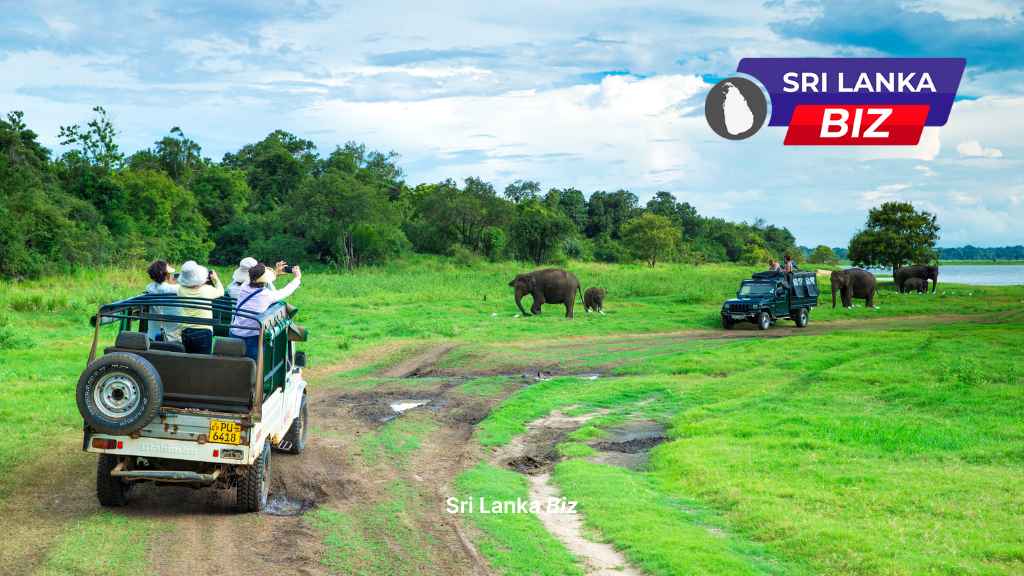
The Sri Lanka tourism survey provides fresh insights into visitor demographics and spending habits, marking a shift toward data-driven industry planning. The study highlights gaps in current tourism data systems and the need for modern methodologies. Results will guide policy, marketing, and operational strategies across the sector.
Sri Lanka tourism survey highlights key visitor insights for data-driven planning
The latest Sri Lanka tourism survey, conducted collaboratively by the Sri Lanka Tourism Development Authority (SLTDA) and the Market Development Facility (MDF) Australia, has revealed significant gaps in the country’s tourism data systems. Deputy Tourism Minister Prof. Ruwan Ranasinghe highlighted that outdated methods previously used to calculate key indicators such as per-day tourist spending led to inconsistent results, emphasizing the value of the new survey in producing reliable, scientifically-based data.
Prof. Ranasinghe noted that the survey, the largest ever conducted in Sri Lanka, allows policymakers and industry stakeholders to steer the tourism sector based on actual visitor realities rather than assumptions. He specifically pointed out that 58% of tourists are female, a finding that has important implications for tourism product offerings, marketing strategies, and visitor experience planning. Additionally, more than 55% of visitors fall within the 20–35 age group, indicating a generational shift in the typical tourist profile and highlighting the importance of tailoring campaigns to younger travelers.
The Deputy Minister emphasized that these insights will guide targeted marketing, investment in promotional campaigns, and the adoption of modern technologies for real-time, data-driven decision-making. Unlike previous reliance on traditional methods, the survey sets a foundation for operational improvements across national and regional tourism management structures. Prof. Ranasinghe stressed that integrating data from immigration records and other national databases will further enhance the sector’s ability to make timely and informed policy choices.
Reflecting on international practices, he noted that countries such as Australia began developing tourism-focused research systems in the 1980s, while Canada implemented Tourism Satellite Accounting (TSA) to measure the true economic impact of tourism, including employment and government investment. Malaysia and Singapore later incorporated advanced technologies into their data systems, demonstrating the benefits of real-time analytics. Prof. Ranasinghe stressed that Sri Lanka still has progress to make but emphasized that the new survey represents a crucial step toward modernizing the industry.
The Sri Lanka tourism survey will support dialogue among government institutions, private stakeholders, and international partners, fostering collaboration to maximize tourism opportunities. The findings are expected to inform operational mechanisms, enhance destination management, and guide investment decisions to strengthen the sector’s competitiveness. Prof. Ranasinghe expressed gratitude to all partners involved, including the Australian High Commission and MDF, for their role in producing actionable insights that will help the country align its tourism development strategies with global best practices.
As Sri Lanka looks to rebuild and expand its tourism offerings, the survey provides a roadmap for evidence-based decision-making, ensuring the industry can respond to evolving visitor trends, attract younger travelers, and design experiences that meet the expectations of a changing demographic. By relying on reliable data, the country can enhance marketing efficiency, improve visitor satisfaction, and ultimately support sustainable growth across the tourism sector.