

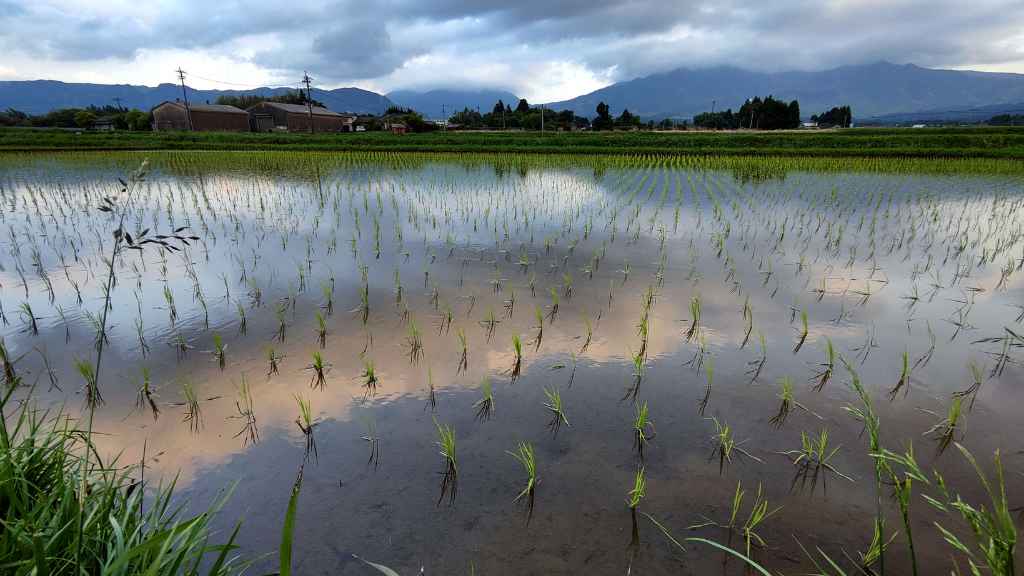
Sri Lanka seed paddy is sufficient to support re-cultivation of cyclone-damaged fields, officials confirmed. The government is urging farmers to resume paddy cultivation promptly to safeguard the Maha season and ensure food security.
Sri Lanka seed paddy ensures re-cultivation of fields damaged by Cyclone Ditwah
Sri Lanka’s agricultural authorities have assured farmers that there is an adequate supply of seed paddy to replant fields affected by Cyclone Ditwah. During a meeting at the Ministry of Agriculture, officials confirmed that both the Paddy Marketing Board and local farmers have sufficient resources to restore damaged farmland and sustain the upcoming Maha cultivation season.
The government reported that farmers initially planned to cultivate 869,622 hectares during the Maha season. By the time Cyclone Ditwah struck, 620,136 hectares had already been sown, of which 106,293 hectares were destroyed by the storm. Authorities noted that approximately 95,000 hectares—or 90 percent of the damaged land—can be re-sown, demonstrating that the impact, while significant, is manageable with timely action and coordinated support.
Meanwhile, of the remaining 249,486 hectares yet to be sown when the cyclone hit, only 2,039 hectares were damaged. This further reinforces the capacity for recovery, highlighting the availability of seed paddy and the resilience of Sri Lanka’s agricultural sector. Government programs, such as the Yaya 500 initiative, will provide both seed paddy and compensation for crop damage, offering additional support to affected farmers.
Agricultural Research Officers will actively guide farmers on replanting strategies, ensuring that cultivation resumes efficiently and in line with best practices. These officers are tasked with advising on seed quality, planting techniques, and crop management to maximize yields and reduce further vulnerability. Farmers have been urged to prepare fields immediately and begin sowing to mitigate the impact of the cyclone on production and to secure the nation’s rice supply for the season.
The swift mobilization of seed paddy reserves, coupled with government guidance, reflects a broader strategy to maintain food security despite natural disasters. Sri Lanka’s proactive approach aims to limit long-term economic disruption for farmers while sustaining the national staple crop supply. By leveraging available seed resources and technical expertise, the agricultural authorities are enabling a rapid recovery and fostering confidence among the farming community.
Officials emphasize that timely re-cultivation is essential not only for immediate crop recovery but also for sustaining the livelihood of farming households. Paddy cultivation remains a cornerstone of Sri Lanka’s agricultural economy, and minimizing downtime due to cyclone damage is critical for both income stability and national food reserves.
The government has reiterated its commitment to providing necessary inputs and advisory support throughout the replanting process. By coordinating with local farming groups and marketing boards, authorities aim to ensure equitable distribution of seed paddy and assistance under the Yaya 500 program. This initiative highlights the importance of institutional support in enabling farmers to overcome climatic shocks and maintain agricultural productivity.
With the combined efforts of the government, Agricultural Research Officers, and the farming community, Sri Lanka seed paddy is positioned to restore damaged fields efficiently. Farmers are encouraged to act promptly, take advantage of the available resources, and adhere to expert guidance to secure a successful Maha season despite the challenges posed by Cyclone Ditwah.