

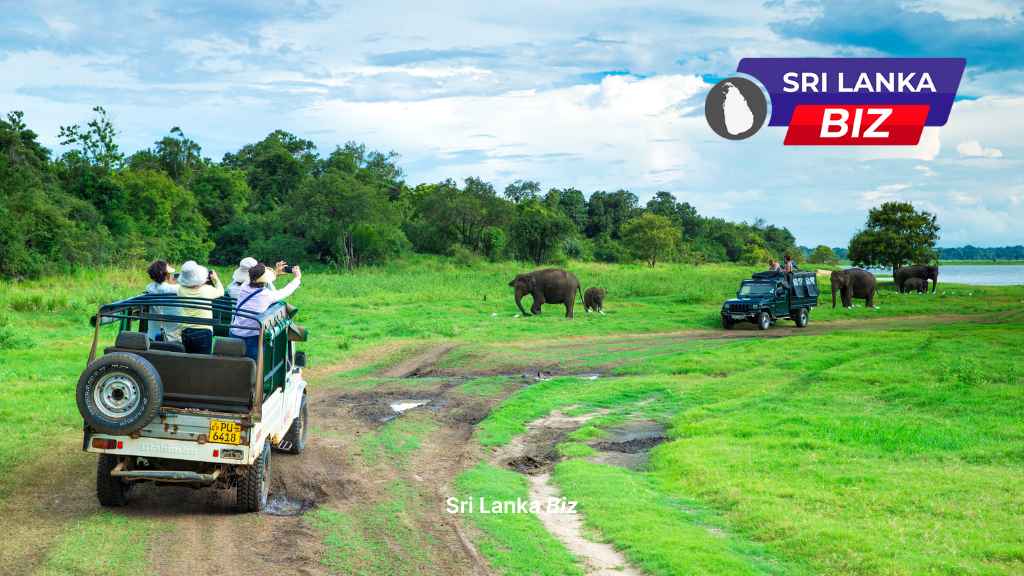
Sri Lanka’s Trincomalee land transfer has been approved to facilitate a new tourism project, replacing the previously planned Kinniya University of Vocational Technology. The decision reallocates resources to promote regional economic and tourism development.
Trincomalee land transfer approved to support tourism development, replacing planned university
Sri Lanka’s cabinet has approved the Trincomalee land transfer from the originally planned Kinniya University of Vocational Technology (UNIVOTEC) to the Ministry of Tourism. Minister Nalinda Jayatissa confirmed that the land and ongoing construction will now support a tourism-focused initiative in the Trincomalee District.
The education institution was to be built on a 12-acre parcel owned by the Land Reform Commission, located in the Uparu Grama Niladhari Division of the Kinniya Divisional Secretariat. To date, approximately 25.45 million rupees have been invested in construction work for the college.
Minister Jayatissa explained that “due to the circumstances that have arisen subsequently, the University of Vocational Technology (UNIVOTEC) has decided that there is no need to maintain the university college on that land as planned.” The decision comes after a review of regional development priorities and changing educational requirements.
The Prime Minister proposed halting further construction on the site and transferring the land to the Ministry of Foreign Affairs, Foreign Employment and Tourism. This move was supported by the Trincomalee District Coordination Committee, which identified the area’s potential for tourism and economic development. The Cabinet formally approved the proposal, allowing the Ministry of Tourism to implement a new project on the site.
The shift in land use aims to leverage Trincomalee’s strategic location and natural attractions, including its coastline, historical sites, and growing potential for eco-tourism. Officials hope the tourism project will stimulate local employment, enhance infrastructure, and attract both domestic and international visitors to the region.
While the Kinniya University of Vocational Technology was initially designed to provide educational opportunities and vocational training, the reallocation of land reflects a broader government strategy to prioritize economic growth through tourism development. The Ministry of Tourism will now oversee construction and project planning, ensuring that the land is utilized effectively to maximize social and economic benefits.
The Trincomalee land transfer also highlights the government’s commitment to adaptive planning, reallocating resources to areas with higher strategic impact. The decision is expected to create multiple avenues for investment, hospitality development, and ancillary services, offering long-term benefits to the local economy.
As the project moves forward, the Ministry of Tourism is expected to engage with regional stakeholders, including local communities and private sector investors, to ensure the tourism initiative aligns with sustainable development goals and generates meaningful employment opportunities.
The Trincomalee land transfer marks a significant policy shift, demonstrating the government’s approach to balancing educational infrastructure with economic development priorities. With careful planning and investment, the site could become a flagship tourism destination, supporting Sri Lanka’s broader strategy of leveraging natural and cultural assets for growth.