

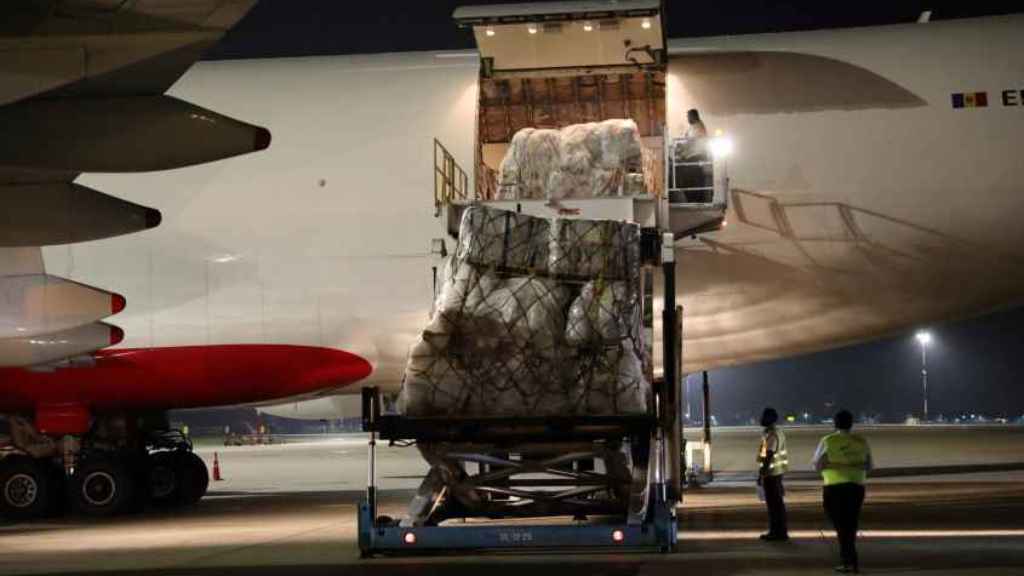
MSF flood relief Sri Lanka efforts intensified as Doctors Without Borders delivered winterized family tents and emergency supplies to support communities displaced by Cyclone Ditwah, reinforcing humanitarian response measures amid widespread flooding and landslides across the island.
MSF flood relief Sri Lanka strengthens emergency shelter response
MSF flood relief Sri Lanka operations continued to expand as Doctors Without Borders/Médecins Sans Frontières strengthened its humanitarian response to the severe floods and landslides triggered by Cyclone Ditwah, which has affected more than 1.8 million people nationwide. Working in close coordination with local partners and the Disaster Management Center, MSF is addressing urgent needs related to shelter, hygiene, and essential healthcare services.
On December 14, 2025, MSF delivered 1,000 winterized family tents and 1,500 heavy-duty plastic sheets to the Disaster Management Center in Colombo. These supplies are intended to support families who have been forced to leave their homes due to flooding, infrastructure damage, and landslide risks, particularly in colder and high-risk regions where exposure poses a serious health threat.
The winterized tents are designed to offer enhanced protection against harsh weather conditions, providing insulation, durability, and safety for displaced households. Humanitarian agencies have warned that prolonged exposure to cold and wet conditions significantly increases the risk of respiratory infections and other illnesses, especially among children, older people, and those with pre-existing health conditions. By prioritising shelter support, MSF aims to reduce secondary health risks while stabilising living conditions for affected communities.
According to MSF, the delivery of these shelters represents a critical step in ensuring that emergency assistance reaches vulnerable populations efficiently. David Croft, Emergency Coordinator for MSF in Sri Lanka, said the organisation remains committed to adapting its response as conditions evolve. He noted that safe and adequate shelter is essential not only for immediate survival but also for preserving dignity and wellbeing during prolonged displacement.
In addition to shelter assistance, MSF has distributed 500 general relief kits and 500 dry ration kits to families impacted by the floods. These kits contain essential household items and food supplies intended to support daily needs during the initial phase of displacement. For many families who lost access to kitchens, markets, or livelihoods, such support plays a vital role in maintaining basic nutrition and hygiene.
MSF is also preparing further targeted assistance for vulnerable groups within emergency shelters. Plans are underway to distribute 250 maternity kits and 400 dignity kits, addressing the specific needs of pregnant women, new mothers, and women and girls living in temporary accommodation. These kits are designed to support safe maternal care, personal hygiene, and dignity in challenging emergency environments.
The humanitarian organisation emphasised that its response strategy is built on close collaboration with locally led organisations and national authorities. By working directly with the Disaster Management Center, MSF seeks to ensure that aid distribution is coordinated, avoids duplication, and reaches communities most in need without delay. Such partnerships are particularly important during large-scale disasters, where logistical challenges and rapidly changing conditions can hinder relief efforts.
Cyclone Ditwah caused widespread flooding and landslides across multiple districts, damaging homes, disrupting transport networks, and displacing hundreds of thousands of people. Emergency shelters, schools, and community centres have been converted into temporary accommodation facilities, placing additional pressure on already limited resources. Humanitarian agencies continue to assess needs as floodwaters recede and access to affected areas improves.
Within this context, MSF flood relief Sri Lanka initiatives highlight the growing importance of preparedness and resilience in disaster-prone regions. Climate-related extreme weather events are becoming more frequent, increasing the demand for rapid-response shelter solutions and emergency healthcare support. MSF’s provision of winterized tents reflects a shift toward more durable and climate-adapted humanitarian assistance.
Health experts caution that the aftermath of flooding often brings heightened risks of waterborne diseases, skin infections, and mental health stress linked to displacement and loss. MSF teams are working alongside partners to monitor health conditions in shelters and communities, ensuring that emerging needs are identified early and addressed effectively.
As recovery efforts continue, MSF has reaffirmed its commitment to supporting Sri Lanka’s disaster response through flexible, needs-based interventions. The organisation has indicated that it will continue to adjust its activities in line with evolving conditions, ensuring that shelter, healthcare, and dignity remain central to its humanitarian mission.