

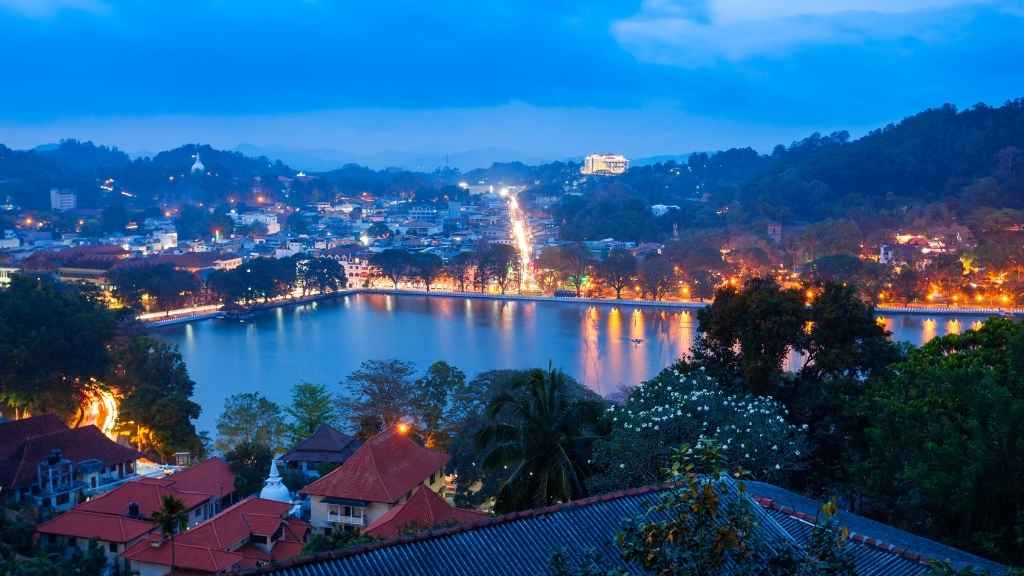
Kandy Breeze Night Fest officially begins today, introducing a new night market concept aimed at strengthening tourism and evening activity in Sri Lanka’s hill capital. The initiative is designed to attract both local residents and international visitors to Kandy’s historic city centre.
Kandy Breeze Night Fest brings a vibrant night market to Kandy streets
The Kandy Breeze Night Fest night market opens today, marking a new chapter in efforts to enhance tourism and urban vibrancy in one of Sri Lanka’s most culturally significant cities. Announced by Central Province Governor Prof. S. B. S. Abhayakoon, the initiative seeks to position Kandy as a more dynamic destination after dark, appealing to both domestic and foreign travellers.
Under the Kandy Breeze Night Fest concept, the night market will be held every Saturday from 7.00 p.m. to midnight, transforming key streets in the city centre into lively commercial and social spaces. The event will span Dalada Veediya and Kotugodella Veediya, areas that are already well known for their proximity to major cultural landmarks and daily commercial activity.
Officials involved in organising the night market say the initiative is part of a broader strategy to diversify Kandy’s tourism offering. While the city has long been recognised for its heritage value, religious significance, and daytime attractions, authorities believe that expanding evening activities can significantly improve visitor experiences and lengthen tourist stays.
The introduction of a regular night market is expected to add a new layer of energy to the city’s economy. Local traders, artisans, food vendors, and small businesses are anticipated to benefit from increased foot traffic during weekend evenings. Organisers note that night markets in other regional destinations have proven effective in creating informal employment opportunities while promoting local products and culinary traditions.
Kandy Breeze Night Fest is also positioned as a platform to showcase the city’s cultural identity in a more accessible and contemporary format. By activating streets that are familiar to both residents and pilgrims, the event aims to blend tradition with modern urban entertainment, offering visitors a chance to experience Kandy beyond its temples and museums.
Tourism sector stakeholders view the initiative as timely, particularly as Sri Lanka continues its broader recovery in visitor arrivals. With international tourism gradually regaining momentum, destinations such as Kandy are under pressure to innovate and remain competitive. Night-time attractions are increasingly seen as essential components of modern tourism cities, providing safe, engaging environments for visitors after sunset.
Authorities stress that careful planning has gone into the implementation of the night market to ensure minimal disruption to daily life and religious activities in the area. Traffic management, security arrangements, and coordination with local businesses have been prioritised to maintain order and ensure a positive experience for visitors and residents alike.
From a destination branding perspective, the Kandy Breeze Night Fest concept is intended to project a more youthful and welcoming image of the city. By creating a consistent weekly event, organisers hope to establish a recognisable attraction that can be promoted through tourism campaigns and travel itineraries, particularly for weekend travellers and short-stay tourists.
The initiative is also expected to encourage greater participation from the local community. Residents are likely to benefit not only from increased economic activity but also from expanded recreational options within the city. Organisers believe that successful urban tourism projects must serve both visitors and locals, fostering a shared sense of ownership and pride.
Looking ahead, officials have indicated that the night market could be expanded or adapted based on public response and operational performance. If the Kandy Breeze Night Fest gains sustained popularity, it may pave the way for additional themed events, cultural performances, or seasonal festivals that further enhance Kandy’s appeal.
As the first edition gets underway, tourism authorities and city administrators will be closely monitoring visitor numbers, business participation, and overall feedback. Their assessment will determine how the initiative evolves and how it fits into longer-term plans to strengthen Kandy’s position as a leading cultural and tourism hub in Sri Lanka.