

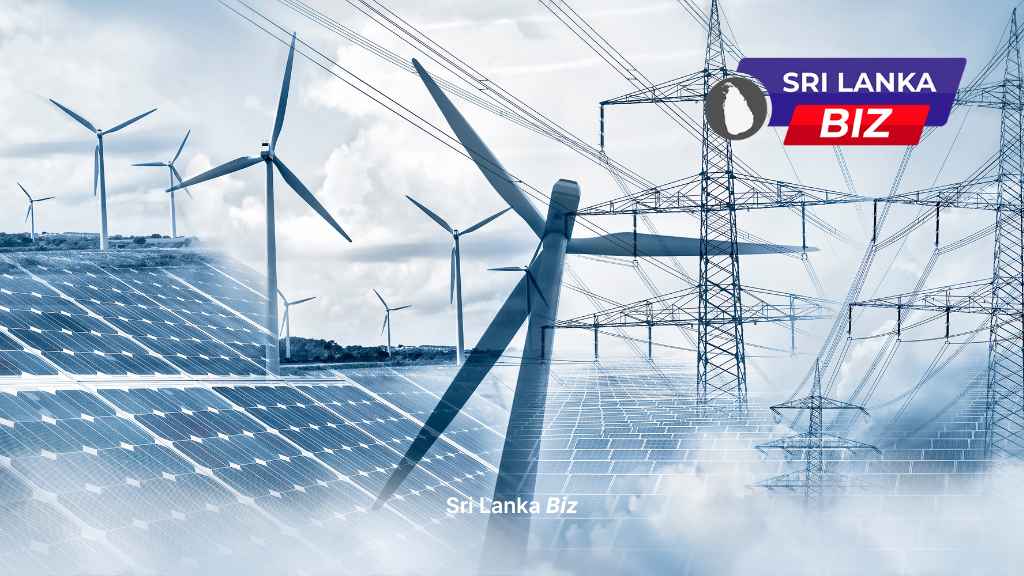
Sri Lanka renewable energy plan has received cabinet approval, outlining a strategic pathway for expanding clean electricity generation between 2025 and 2030. The initiative aims to accelerate sustainable infrastructure development while strengthening national energy security and environmental commitments.
Sri Lanka renewable energy plan sets roadmap for 70% clean electricity by 2030
Sri Lanka’s Cabinet of Ministers has approved a comprehensive national strategy aimed at accelerating the country’s transition toward sustainable electricity production. The Sri Lanka renewable energy plan for 2025–2030 was prepared by the Sri Lanka Sustainable Energy Authority in consultation with multiple industry stakeholders and government agencies.
Minister Nalinda Jayatissa announced the decision, emphasizing that the roadmap focuses on strengthening renewable infrastructure and guiding long-term energy investments. The initiative supports Sri Lanka’s broader objective of transforming its electricity sector while reducing reliance on fossil fuels.
Authorities have confirmed that the new framework identifies three priority areas designed to improve implementation efficiency. The strategy concentrates on identifying suitable land for renewable installations, preparing a national renewable resource map, and establishing development timelines for dedicated energy parks. It also introduces floating solar generation as an emerging solution to address land constraints while increasing renewable capacity.
Sri Lanka’s energy transition has become increasingly critical due to rising fuel import costs and global pressure to reduce greenhouse gas emissions. By introducing structured planning and clear development milestones, policymakers aim to strengthen investor confidence and attract private sector participation in green energy projects.
Land Identification and Infrastructure Planning
One of the most significant elements of the strategy involves systematically identifying land suitable for renewable installations. Authorities have recognized that large-scale renewable projects require careful environmental assessment, community engagement, and resource optimization to ensure sustainability.
Through the new development plan, government agencies will prioritize land allocation for solar, wind, and hybrid renewable projects. The initiative also introduces renewable energy zoning, which helps streamline approval processes and reduce administrative delays. Experts believe that this approach could significantly improve project implementation speed while maintaining environmental compliance.
The preparation of a detailed renewable energy resource map is another important milestone. This mapping exercise will identify geographic regions with strong renewable potential, enabling developers to make informed investment decisions. It will also help policymakers manage infrastructure expansion efficiently while minimizing environmental disruption.
Renewable Energy Parks and Floating Solar Projects
The roadmap also includes establishing renewable energy parks with structured development timelines. These parks are expected to serve as centralized hubs that integrate multiple clean energy technologies, transmission facilities, and supporting infrastructure.
The introduction of floating solar projects represents a progressive component of the Sri Lanka renewable energy plan. Floating solar systems are designed to be installed on reservoirs and water bodies, reducing pressure on land availability while improving electricity generation capacity. These installations also help reduce water evaporation and enhance solar panel efficiency due to cooling effects from water surfaces.
Energy analysts note that floating solar technology has gained global attention because of its dual environmental and economic benefits. For Sri Lanka, this approach could help accelerate renewable expansion while maximizing existing natural resources.
Supporting National Energy and Climate Targets
The approved strategy aligns closely with Sri Lanka’s long-term climate commitments and electricity transformation goals. The government aims to generate 70 percent of national electricity demand through renewable sources by 2030. In addition, the country has set a target to achieve carbon neutrality by 2050.
Officials believe that the structured implementation framework will help Sri Lanka reduce dependency on imported fuel while improving energy affordability. Expanding renewable capacity is also expected to enhance grid stability and strengthen resilience against global energy price fluctuations.
Industry stakeholders have welcomed the initiative, stating that a clear regulatory and infrastructure roadmap will encourage foreign investment and technology transfer. Increased investment in renewable projects could also stimulate job creation, particularly in engineering, construction, and energy management sectors.
The Sri Lanka renewable energy plan is also expected to support regional energy cooperation and position the country as a competitive participant in the global clean energy transition. With growing international focus on sustainability, Sri Lanka’s commitment to renewable infrastructure could improve its investment attractiveness and environmental credibility.
Future Outlook for Renewable Development
The success of the initiative will depend heavily on effective coordination among government agencies, private investors, and regulatory bodies. Transparent procurement processes, grid modernization, and technical capacity building will play key roles in ensuring long-term sustainability.
Energy experts suggest that maintaining consistent policy direction and strengthening public awareness will further support adoption of renewable solutions. As the country expands solar, wind, and hybrid energy projects, Sri Lanka is expected to reduce carbon emissions while improving energy independence.
With cabinet approval now secured, implementation of the roadmap marks a significant milestone in Sri Lanka’s energy transformation journey. The initiative demonstrates a growing national commitment to sustainability, economic resilience, and environmental responsibility.