

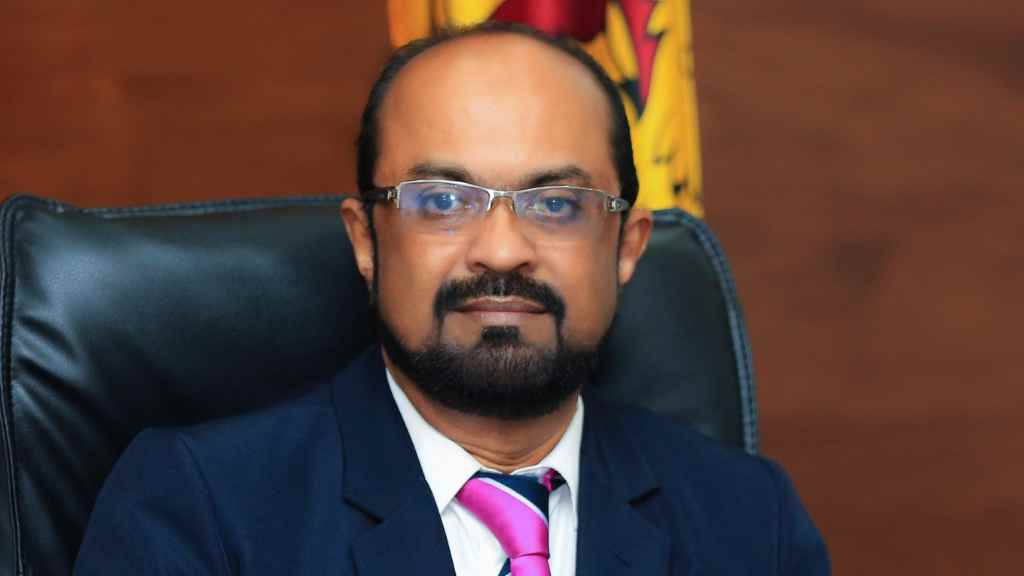
Oil and dollars in hand, but no ships: Energy Minister says global shipping disruptions—not fuel shortages or foreign exchange—are the primary threat to Sri Lanka’s energy security amid escalating tensions in the Middle East.
Oil and dollars in hand, but no ships: Energy Minister warns of shipping crisis
Energy Minister Kumara Jayakody, addressing Parliament, outlined the evolving nature of the current energy shock, describing it as an externally driven crisis stemming from geopolitical conflict rather than domestic mismanagement. He emphasized that Sri Lanka has adequate fuel stocks and financial capacity to secure supplies, but logistical bottlenecks in global shipping have emerged as the critical constraint.
The Minister stated that fuel inventories remain sufficient under normal consumption patterns, with 92 Octane Petrol stocks expected to last until 23 April, 95 Octane Petrol until 10 May, Diesel until 12 April, and Super Diesel also until 10 May. However, he cautioned that diesel availability remains the most immediate concern in the short term.
“We have analysed the daily impact and are making an effort to expand our fuel suppliers,” Jayakody said, noting that discussions are ongoing with multiple oil-producing nations. He added that new tenders for crude oil have already been received and are under evaluation, while an emergency procurement committee has been appointed to secure alternative supply channels.
Despite these efforts, the Minister highlighted that the challenge lies not in sourcing fuel, but in transporting it. He pointed to rising insurance premiums and reduced vessel availability due to heightened risks in global shipping routes linked to the Middle East conflict. “There is oil and we have the dollars, but there is no shipping vessel to make the delivery,” he said, underscoring the unprecedented nature of the crisis.
Describing Sri Lanka as “a victim of someone else’s war,” Jayakody stressed the difficulty of forward planning in an environment where even the primary actors in the conflict are unable to predict its duration. He noted that the Government is continuously monitoring developments and adjusting its strategy in response to rapidly changing global conditions.
The Oil and dollars in hand, but no ships: Energy Minister statement also addressed concerns over the potential economic fallout of rising global fuel prices. Jayakody confirmed that the Energy Ministry has shared relevant data with the Finance Ministry to assess inflationary pressures and broader macroeconomic implications, though such analysis falls outside his direct mandate.
On domestic fuel distribution, the Minister defended the QR-based fuel quota system, stating that allocations have been determined using a data-driven approach tailored to the current emergency. He maintained that the weekly quotas assigned to different vehicle categories remain adequate under prevailing conditions.
However, Opposition Leader Sajith Premadasa raised questions about the Government’s preparedness, particularly in light of early warning signs of escalating tensions in the Middle East. He queried whether scenario-based contingency planning had been undertaken and pointed to operational issues within the fuel quota system, including registration challenges faced by vehicle owners due to frequent ownership transfers.
Premadasa also highlighted concerns regarding energy security beyond fuel, warning of a potential electricity crisis. He referenced declining coal-based power generation and called attention to risks flagged by the Public Utilities Commission of Sri Lanka. Additionally, he questioned whether the Government had engaged with the International Energy Agency following its announcement of a planned release of 400 million barrels from global reserves.
In response, Jayakody dismissed the notion that the crisis could have been accurately predicted, arguing that the unpredictability of geopolitical conflicts limits the effectiveness of long-term forecasting. He also criticized previous administrations for failing to strengthen fuel storage infrastructure, suggesting that structural vulnerabilities predate the current crisis.
The Minister further noted that even major oil-producing nations have been compelled to adjust domestic fuel prices in response to global market dynamics. This, he argued, underscores the broader systemic pressures affecting energy markets worldwide.
While reiterating the Government’s commitment to maintaining uninterrupted energy supply, Jayakody did not rule out the possibility of power cuts if conditions worsen. “There may be a situation where we would have to impose power cuts, but we are doing everything we can to avoid that,” he said, emphasizing the importance of minimizing disruptions to economic activity.
Justice Minister Harshana Nanayakkara, speaking later in Parliament, reinforced the view that the current crisis differs fundamentally from previous energy shortages experienced by Sri Lanka. He noted that while past crises were driven by foreign exchange constraints, the present situation is characterized by global supply chain disruptions despite the availability of both fuel and financial resources.
As the global energy crisis Sri Lanka navigates continues to evolve, policymakers are grappling with a complex interplay of geopolitical risk, logistical challenges, and domestic energy demand. The Government’s strategy, officials say, will depend on agile decision-making and international cooperation to secure stable supply lines in an increasingly volatile environment.
The Sri Lanka fuel crisis has therefore entered a new phase, where traditional constraints have been replaced by global uncertainties, placing renewed emphasis on resilience and adaptability in national energy planning.