

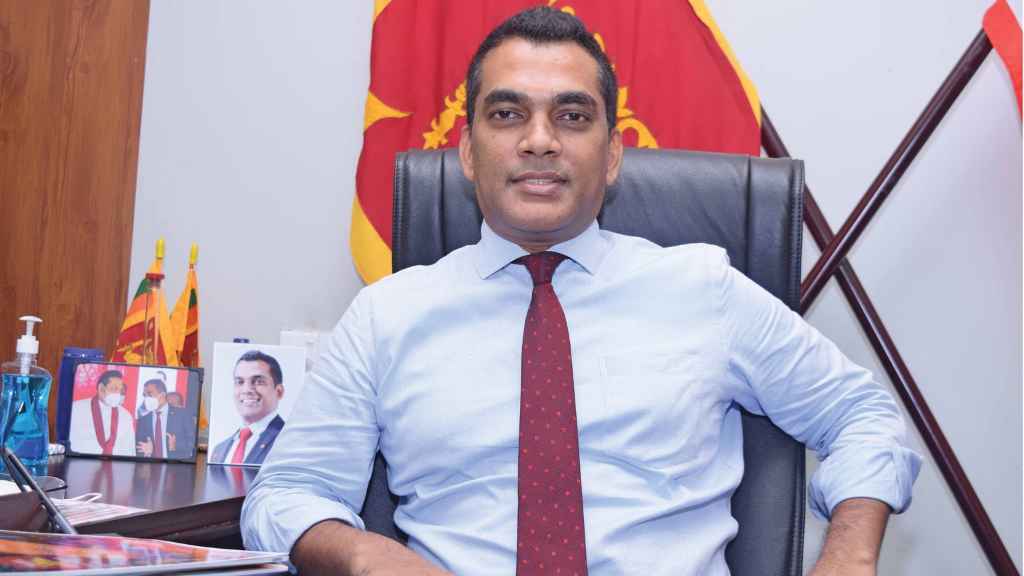
Ex-CPC Chairman urges fuel tax reduction as Sri Lanka grapples with rising global oil price volatility and increasing risks to international supply chains, warning that immediate policy adjustments may be necessary to stabilise domestic fuel costs.
Ex-CPC Chairman urges fuel tax reduction amid global oil uncertainty
Former Ceylon Petroleum Corporation Chairman Mohamed Uvais called on the Government to reassess its fuel taxation framework, arguing that reducing taxes could provide short-term relief to consumers and businesses already burdened by escalating energy costs. His remarks come at a time when global oil markets are facing heightened uncertainty driven by geopolitical tensions and potential disruptions to key maritime routes.
Addressing a press conference, Uvais highlighted Sri Lanka’s structural vulnerability as a fully import-dependent fuel market. He noted that the country has no domestic petroleum production and relies entirely on international suppliers, making it highly susceptible to external shocks. In this context, he emphasised that policy flexibility—particularly on taxation—could play a critical role in cushioning the domestic economy.
The Ex-CPC Chairman urges fuel tax reduction position reflects growing concern over recent fuel price increases, with prices already rising by Rs. 25 across all categories. Uvais cautioned that further upward revisions may be unavoidable if global oil prices continue their current trajectory, particularly in light of escalating tensions in the Middle East.
A key area of concern identified by Uvais is the potential disruption of critical shipping lanes, including the Strait of Hormuz, a strategic chokepoint through which a significant share of global oil supply is transported. He warned that the situation could deteriorate further if additional maritime routes—particularly those between Yemen and the African continent—are affected by conflict or security threats.
According to Uvais, such developments could have far-reaching implications for global energy markets. He estimated that up to 35% of global oil transport could be disrupted if multiple shipping corridors are compromised, a scenario that would exert severe pressure on import-dependent economies. For Sri Lanka, this would translate into higher import costs, increased inflationary pressures, and potential supply constraints.
The Sri Lanka fuel prices outlook, therefore, remains closely tied to international developments. Uvais stressed that while global factors are beyond the Government’s control, domestic policy tools such as taxation can be adjusted to mitigate the impact on consumers. He argued that a temporary reduction in fuel taxes could help stabilise retail prices and support economic activity during periods of volatility.
At the same time, Uvais underscored the importance of strengthening supply chain management to enhance resilience. He called for closer coordination between Sri Lankan authorities and international fuel suppliers to ensure timely procurement and minimise disruptions. This includes proactive engagement with multiple suppliers and diversification of sourcing strategies to reduce reliance on any single region.
The Ex-CPC Chairman urges fuel tax reduction stance also aligns with broader concerns about the sustainability of current pricing mechanisms. With global oil prices influenced by geopolitical tensions, supply constraints, and market speculation, maintaining stable domestic prices has become increasingly challenging for policymakers.
Uvais further noted that logistical risks are now emerging as a critical factor in global energy dynamics. Even when oil is available in the market, transportation challenges—such as increased insurance premiums for vessels and limited shipping capacity—can delay deliveries and drive up costs. These factors add another layer of complexity to Sri Lanka’s energy security considerations.
The evolving global oil prices environment, he said, requires a coordinated response that balances fiscal considerations with economic stability. While fuel taxes represent a significant source of Government revenue, Uvais suggested that temporary adjustments may be justified to prevent broader economic disruption.
He also pointed out that rising fuel costs have a cascading effect across the economy, influencing transportation, manufacturing, and the cost of essential goods. As such, stabilising fuel prices is not only a matter of energy policy but also a key component of macroeconomic management.
Industry observers note that any decision to reduce fuel taxes would need to be carefully calibrated to avoid undermining fiscal consolidation efforts. However, they acknowledge that targeted, time-bound measures could provide relief without significantly impacting Government finances.
Uvais reiterated that Sri Lanka must remain vigilant and responsive to global developments, particularly as geopolitical risks continue to evolve. He stressed the importance of scenario planning and contingency measures to address potential disruptions, noting that early action could help mitigate more severe consequences.
The Ex-CPC Chairman urges fuel tax reduction call comes amid a broader debate on how best to manage energy costs in an uncertain global environment. As policymakers weigh their options, the balance between fiscal discipline and economic stability is likely to remain a central consideration.
With the country’s energy needs closely tied to international markets, the coming months will be critical in determining how effectively Sri Lanka can navigate these challenges. The interplay between global supply risks, domestic policy decisions, and market dynamics will ultimately shape the trajectory of fuel prices and their impact on the wider economy.