

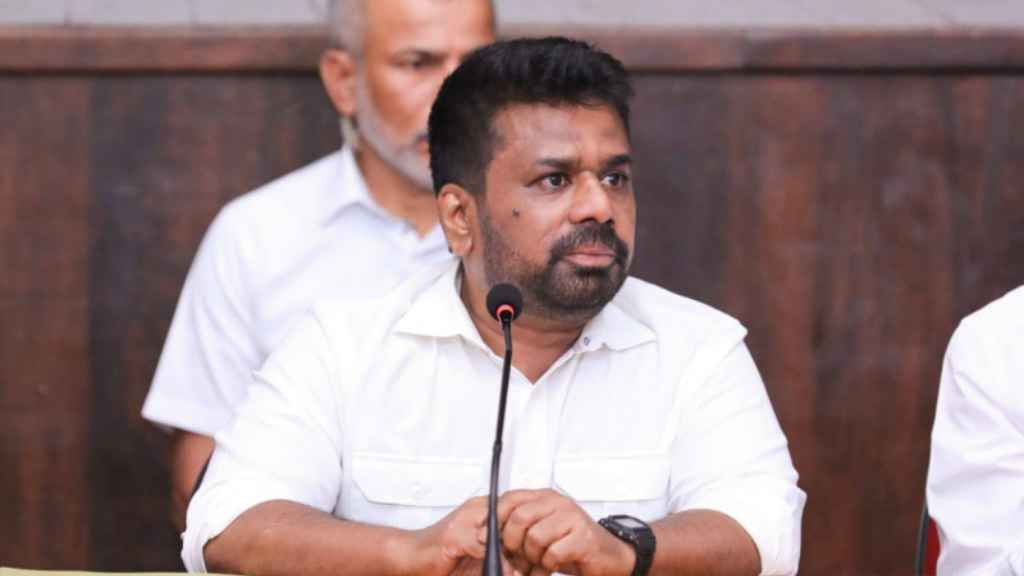
President calls for collective action to keep country functioning as Sri Lanka navigates supply disruptions linked to the Middle East conflict, with authorities implementing targeted measures to sustain economic activity and essential services.
President calls for collective action to keep country functioning amid fuel and supply risks
President Anura Kumara Dissanayake, addressing a special media briefing, emphasised that maintaining uninterrupted national operations remains the Government’s top priority. He called for coordinated support from the public and private sectors, media, and citizens, expressing confidence that systems are in place to manage the evolving situation effectively.
The President calls for collective action to keep country functioning message comes amid delays in fuel shipments and rising uncertainty in global energy markets. To mitigate the immediate impact, the Government has issued temporary licences to around 30 private sector firms, allowing them to import fuel using foreign currency and supply it directly to export-oriented businesses and the tourism sector.
This move represents a significant, albeit temporary, policy adjustment, as trading in foreign currency is typically restricted in Sri Lanka. The President said the decision was made following requests from business associations, particularly those representing exporters and tourism operators, who sought greater flexibility to secure their own fuel supplies.
Under the arrangement, registered firms will import fuel using their own dollar reserves and sell it in foreign currency, ensuring uninterrupted operations in sectors that generate critical foreign exchange. “Those private sector businesses can supply fuel for exporters and tourism businesses,” the President said, noting that fuel stocks are already available in their storage facilities.
The Sri Lanka fuel supply situation has been affected by disruptions in global shipping routes, which have delayed key shipments despite long-term procurement agreements. The President revealed that two crude oil shipments totalling 90,000 metric tons have been delayed, along with a separate consignment by a private distributor.
He attributed the delays to the broader instability in international energy markets, where logistical challenges have become increasingly pronounced. “At times like this, vessels are diverted for private sale, with multiple agents presenting themselves for a single shipment,” he said, highlighting the complexities of procurement during global crises.
To address these challenges, the Government has established a streamlined decision-making mechanism, including a special committee of senior officials operating under the National Procurement Commission. This committee is tasked with fast-tracking procurement decisions, which are subsequently ratified by the Cabinet.
Despite the disruptions, the President expressed confidence that Sri Lanka can avoid a full-scale energy crisis. The President calls for collective action to keep country functioning stance reflects a broader strategy of combining public sector oversight with private sector participation to maintain supply continuity.
On coal supplies, he noted that 23 vessels had been dispatched, with 13 already delivered. While some delays persist, the Cabinet has approved an emergency tender to secure five additional shipments from a reliable supplier, which is expected to stabilise the situation.
In the gas sector, the outlook remains more stable. The President confirmed that 38,000 metric tons of LP gas have already been received this month, exceeding the average monthly demand of 33,000 metric tons. Additional shipments are expected mid-week, ensuring adequate supply in the near term.
He acknowledged that temporary shortages had occurred due to disruptions in private sector supply, particularly affecting the hospitality industry. However, State-run distribution channels have been mobilised to address these gaps, with additional stocks available in both local storage and offshore facilities.
The broader Sri Lanka economy continues to face external pressures, but the Government is seeking to balance fiscal constraints with the need to sustain economic activity. Responding to questions on fuel pricing, the President noted that the Ceylon Petroleum Corporation’s debt—amounting to Rs. 884 billion—has been transferred to the Treasury, which now bears an annual interest burden of approximately Rs. 100 billion.
While acknowledging the impact of rising global oil prices, he said any decision on fuel taxes or pricing adjustments would be carefully calibrated. “If fuel prices increase, economic activities will decrease, so we will consider all factors and come to a middle ground decision,” he said.
The Government has also taken steps to ensure food security and agricultural continuity. Fertiliser stocks are deemed sufficient for the upcoming Yala cultivation season, with distribution facilitated through 500 Farmer Service Centres. Wheat and pulses stocks are reported to be adequate for approximately three months.
The President calls for collective action to keep country functioning approach extends to managing demand and distribution. The QR-based fuel allocation system, which has already registered nearly five million users, continues to play a central role in ensuring equitable distribution under constrained conditions.
The President acknowledged initial implementation challenges but noted that safeguards have been introduced to protect essential sectors. The health sector, for instance, has secured fuel reserves sufficient for six weeks beyond current allocations, while additional buffers have been allocated for ports, airports, and critical infrastructure.
Fuel allocations for agriculture, fisheries, and industry are also being adjusted to meet operational requirements. Specific plans have been developed to support the paddy harvesting season, while the fisheries sector, including approximately 30,000 small-scale vessels, is receiving managed allocations based on need.
Essential goods distribution is being maintained through networks such as Sathosa and cooperative outlets, ensuring that supply chains remain functional during the festive season. The Government has also engaged with key industry stakeholders to coordinate logistics and maintain stability.
Looking ahead, the President identified three primary categories of challenges facing the country: internal structural issues, natural disasters, and external shocks such as the ongoing Middle East conflict. He stressed that while Sri Lanka cannot influence global events, it can take proactive measures to mitigate their impact.
A separate committee, chaired by Social Security Minister Upali Pannilage, has been established to assess the broader economic implications, including potential effects on insurance, credit systems, and livelihoods. Meanwhile, the Central Bank continues to provide frequent updates to support data-driven decision-making.
The global energy crisis Sri Lanka is navigating underscores the importance of resilience and coordination in times of uncertainty. The President reiterated that a robust monitoring mechanism is already in place and expressed confidence in the country’s ability to respond effectively.
“We are continuously monitoring the situation and believe we will be able to respond to these circumstances effectively,” he said, reinforcing the Government’s commitment to maintaining stability and supporting economic recovery.