

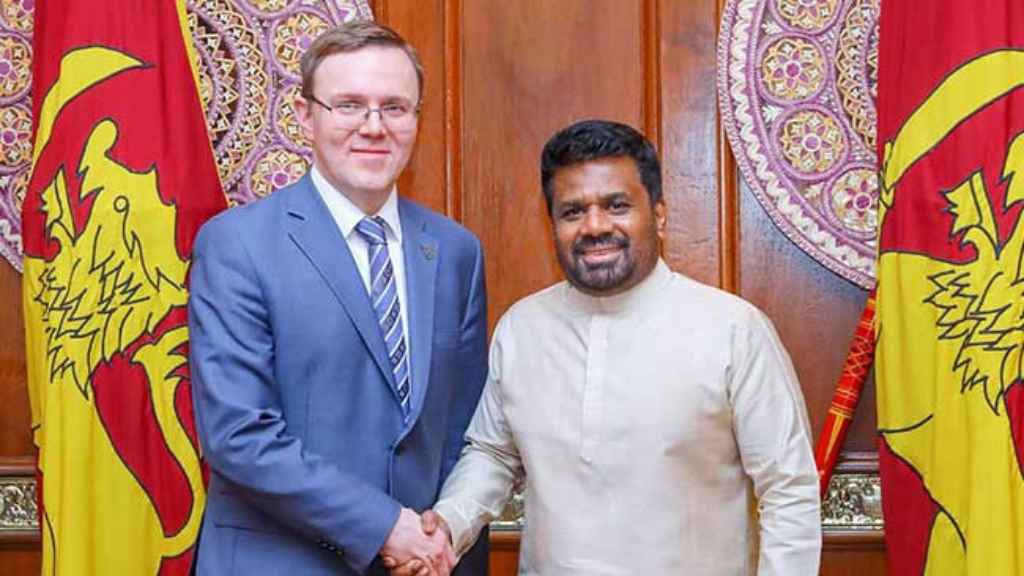
Russia ready to support Sri Lanka, agrees to supply fuel following high-level discussions between Sri Lankan authorities and a visiting Russian delegation, signalling a potential shift towards more stable and long-term energy cooperation.
Russia ready to support Sri Lanka, agrees to supply fuel amid CPC talks
Sri Lanka is moving closer to securing a reliable fuel supply arrangement with Russia after positive talks between the Ceylon Petroleum Corporation (CPC) and a Russian delegation led by Deputy Energy Minister Roman Marshavin. According to CPC Managing Director Mayura Neththikumarage, Russia has confirmed its readiness to immediately provide refined petroleum products to the island nation.
The development comes as Sri Lanka continues to prioritize energy security amid global market uncertainties and geopolitical tensions. The Russia ready to support Sri Lanka, agrees to supply fuel initiative reflects Colombo’s efforts to diversify its fuel sourcing strategy and reduce vulnerability to supply disruptions.
Neththikumarage stated that discussions with the Russian side, which also included Russian Ambassador L.S. Dzhagaryan, concluded on a positive note. Both parties explored the possibility of entering into a long-term agreement that would ensure consistent fuel supplies to Sri Lanka. Further negotiations on the proposed arrangement are expected to continue, with authorities aiming to finalize terms that are both commercially viable and strategically beneficial.
In the interim, Sri Lanka’s fuel supply situation appears stable. The CPC confirmed that existing stocks are sufficient to meet domestic demand until May. A vessel carrying 35,500 metric tons of diesel recently arrived in the country, with unloading operations currently underway. Additionally, two more fuel shipments are expected within the month, providing further assurance of short-term supply continuity.
The Russia ready to support Sri Lanka, agrees to supply fuel development is particularly significant in the context of global energy dynamics, where supply chains have been affected by ongoing conflicts in the Middle East and fluctuating crude oil prices. For Sri Lanka, securing a dependable partner for refined petroleum products is essential to maintaining economic stability and avoiding past disruptions.
Beyond commercial discussions, the visit by the Russian delegation also carried a broader diplomatic dimension. Deputy Energy Minister Marshavin met with President Anura Kumara Dissanayake, where he reiterated Russia’s readiness to extend support to Sri Lanka in any form necessary. According to the President’s Office, this includes assistance not only in the energy sector but also through technical expertise, machinery, and other means.
The President welcomed the assurances and emphasized the importance of strengthening bilateral relations. He recalled the longstanding ties between Sri Lanka and Russia, noting that historical cooperation, particularly with the former Soviet Union, had played a meaningful role in the country’s economic and social development.
The Russia ready to support Sri Lanka, agrees to supply fuel engagement also highlights the evolving nature of Sri Lanka’s international partnerships. As the country continues its economic recovery, building strong ties with key global players remains a priority. Energy cooperation is central to this strategy, given its direct impact on inflation, industrial activity, and overall economic performance.
In addition to energy collaboration, discussions also touched on broader areas of cooperation. President Dissanayake acknowledged Russia’s continued role as a major source of tourists to Sri Lanka, as well as its support in providing educational opportunities for Sri Lankan students. These factors contribute to a multifaceted relationship that extends beyond trade and energy.
From an economic standpoint, a long-term fuel supply agreement with Russia could offer greater price stability and supply predictability. This would be particularly beneficial for Sri Lanka’s transport, power generation, and industrial sectors, all of which depend heavily on consistent fuel availability. It could also help mitigate the impact of external shocks on domestic energy prices.
The involvement of the CPC in negotiating such agreements underscores its critical role in managing Sri Lanka’s energy imports and ensuring supply security. As global energy markets remain volatile, proactive engagement with reliable partners is likely to remain a key component of the country’s energy policy.
The Russia ready to support Sri Lanka, agrees to supply fuel announcement signals a pragmatic approach by both countries to deepen cooperation in areas of mutual interest. While further negotiations are required to finalize a long-term deal, the current developments point to a strengthening partnership that could yield tangible benefits for Sri Lanka’s economy and energy sector.