

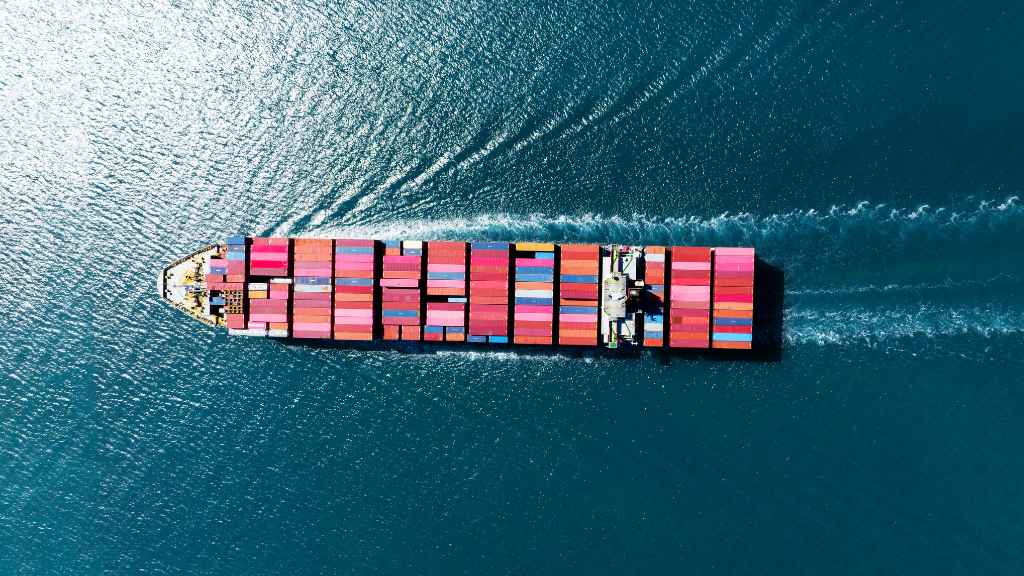
HIP sets new container throughput record with MSC vessel as Hambantota International Port achieved its highest-ever single-vessel container handling performance, reinforcing its growing role as a regional maritime and logistics hub.
HIP sets new container throughput record with MSC vessel at Hambantota Port
Hambantota International Port (HIP) recorded a significant operational milestone with the handling of the container vessel MSC Marie Leslie, operated by Mediterranean Shipping Company (MSC). The vessel was berthed at the port from 11 to 15 April, during which HIP managed a total of 7,968 container moves, translating into 13,260 twenty-foot equivalent units (TEUs), marking the highest single-vessel throughput in the port’s history.
The achievement highlights a consistent upward trajectory in HIP’s container operations, surpassing earlier records set in March when MSC Ilenia handled 12,957 TEUs and MSC Ruby processed 11,369 TEUs. The latest performance underscores the port’s expanding capacity and operational readiness to handle increasing volumes of containerised cargo, in line with evolving global shipping demands.
Port officials attributed the milestone to enhanced coordination across operational units and a strong focus on efficiency and safety. Hambantota International Port Group Chief Operating Officer Tommy Yang noted that the record reflects the discipline and capability of teams working across multiple departments, including operations, engineering, and marine services.
He emphasised that maintaining high productivity levels under demanding conditions remains a priority as vessel sizes and cargo volumes continue to increase. The port’s ability to manage such large-scale operations efficiently is seen as a key factor in attracting global shipping lines and strengthening long-term partnerships.
The HIP sets new container throughput record with MSC vessel milestone also signals growing confidence among international carriers in the port’s infrastructure and service reliability. Industry observers point out that consistent improvements in turnaround times and handling efficiency are critical for ports competing in the highly competitive transshipment market.
Strategically located just 10 nautical miles from the main East-West international shipping route, Hambantota International Port has been positioning itself as an alternative hub for container transshipment in South Asia. Its proximity to major maritime lanes offers a logistical advantage, enabling faster vessel turnaround and reduced deviation costs for shipping lines.
In recent years, HIP has invested in upgrading its container handling capabilities, including equipment, yard capacity, and digital systems, to support higher throughput volumes. These investments align with broader trends in the global shipping industry, where ports are increasingly required to accommodate larger vessels and manage complex logistics networks efficiently.
The successful handling of MSC Marie Leslie demonstrates the port’s readiness to scale operations in response to shifting trade patterns. With global supply chains undergoing transformation due to geopolitical and economic factors, ports like Hambantota are emerging as viable alternatives to traditional transshipment hubs.
External partners also played a critical role in the operation, supporting navigation, safety, and logistics functions to ensure smooth execution. The collaboration between port authorities and stakeholders reflects an integrated approach to port management, which is essential for sustaining high performance levels.
As Sri Lanka seeks to strengthen its position within the regional maritime sector, achievements such as the HIP sets new container throughput record with MSC vessel are expected to enhance investor confidence and attract additional shipping traffic. The port’s continued focus on efficiency, safety, and service quality will be crucial in sustaining this momentum.
Looking ahead, Hambantota International Port is expected to further expand its role within the regional logistics network, leveraging its strategic location and growing operational capabilities. The latest record not only marks a milestone for the port but also signals Sri Lanka’s potential to play a larger role in global maritime trade.