

Sri Lanka urges weekend solar shutdown as authorities seek to prevent power disruptions during the June 27–29 long weekend, following a major grid failure experienced during the Vesak holiday. The government has also announced plans to introduce remote-disconnect technology for large rooftop solar systems by the end of the year.
Sri Lanka urges weekend solar shutdown to protect grid stability during long holiday
The Ministry of Energy has appealed to owners of rooftop solar installations generating more than 300kW to temporarily switch off their systems during the long weekend to help maintain the stability of the national electricity network.
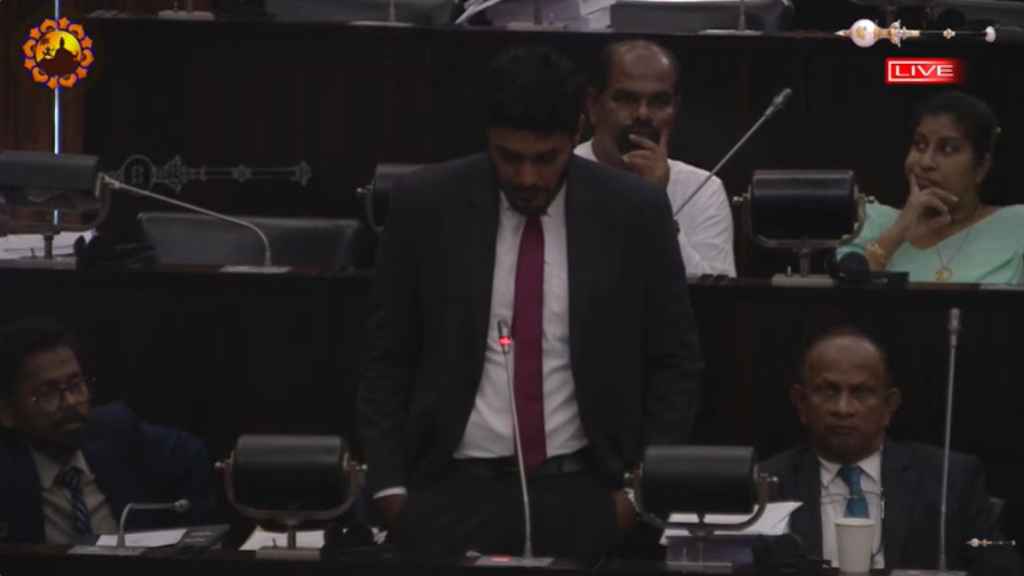
Speaking in Parliament on Friday, Deputy Minister of Energy Arkam Ilyas said the request was necessary to avoid a repeat of the widespread power interruptions experienced during the Vesak full moon holiday. During that period, reduced electricity demand caused by factory and business closures coincided with high levels of electricity generation from rooftop solar installations, creating operational challenges for the national grid.
“We entreat rooftop solar owners generating over 300kW to switch off during this weekend, June 27–29, so we can avoid a system collapse like what happened last Vesak,” the deputy minister said.
Sri Lanka experienced power outages across several parts of the country during the previous holiday after the electricity network struggled to balance supply and demand. With lower daytime consumption and strong solar generation, grid operators faced increasing difficulty in maintaining grid stability, forcing emergency interventions.
According to the deputy minister, the electricity utility was compelled to disconnect approximately 120 feeders during the Vesak incident to prevent a wider system failure. Similar challenges have emerged on several occasions in recent years as renewable energy capacity continues to expand across the country.
The government estimates that around 2,200 rooftop solar owners currently operate systems generating more than 100kW. While only installations exceeding 300kW have been requested to shut down over the coming weekend, authorities are preparing a broader technological solution to manage future emergencies.
As part of that initiative, the government has launched a project to install communication modems for large-scale rooftop solar systems. Once implemented, the technology will allow the electricity utility to remotely disconnect selected feeders during emergency situations, helping operators respond more quickly when electricity generation exceeds demand.
Ilyas said the installation programme is expected to be completed by December. The remote-disconnect capability is intended to strengthen grid stability while reducing the likelihood of widespread blackouts during periods of unusually low electricity consumption combined with high renewable energy generation.
The proposal, however, prompted questions in Parliament regarding regulatory authority. Opposition legislator Harsha de Silva asked whether the proposed National System Operator, which is expected to succeed the Ceylon Electricity Board in managing the electricity network, would have the legal authority to remotely disconnect privately owned solar systems.
Responding to the concerns, the deputy minister said the National System Operator would exercise its powers under the regulatory framework established by the Public Utilities Commission of Sri Lanka (PUCSL). He emphasised that maintaining the stability and reliability of the national electricity system remains the government’s highest priority.
“System stability is number one,” Ilyas told Parliament, stressing that emergency interventions would only be used when necessary to protect the integrity of the national grid.
Sri Lanka’s growing investment in renewable energy has significantly increased the contribution of distributed solar generation to the country’s electricity mix. While the expansion of rooftop solar supports the country’s clean energy ambitions and reduces dependence on imported fuels, energy experts have increasingly highlighted the need for advanced grid management systems capable of balancing fluctuating renewable generation with changing electricity demand.
The planned modem installation project represents one of the government’s first large-scale efforts to integrate remote grid management technologies as renewable energy penetration continues to increase. Officials believe the initiative will improve operational flexibility while helping prevent future power system disruptions during holidays and other periods of unusually low electricity demand.