

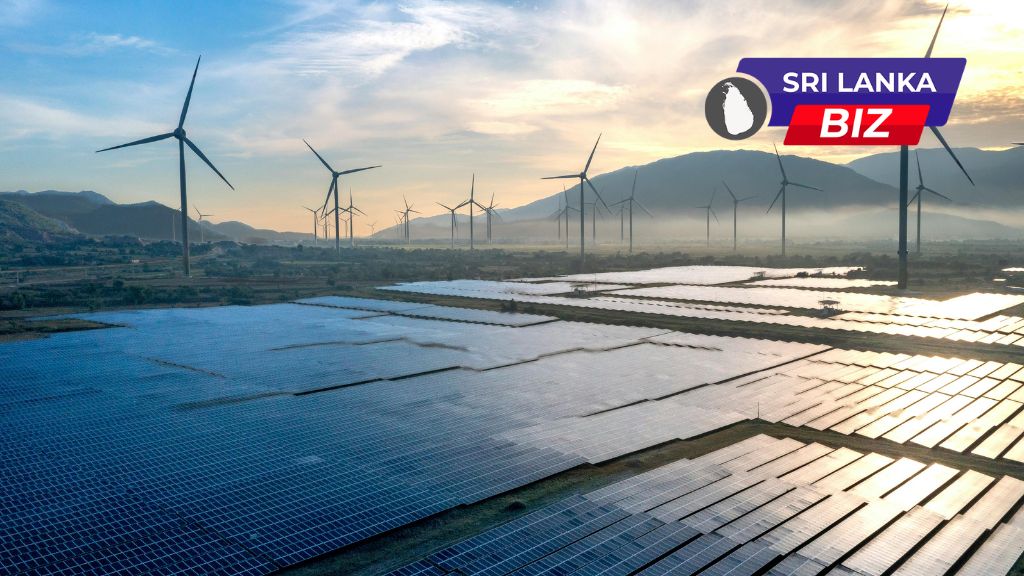
Resus Energy has commissioned a 2MW solar power plant in Damana, Ampara, marking another expansion of its renewable energy portfolio as the facility begins commercial operations and supplies clean electricity to Sri Lanka’s national grid.
Resus Energy expands its renewable energy portfolio with a new Ampara facility
Resus Energy has commissioned a 2MW solar power plant in Damana, Ampara, with commercial operations officially commencing on September 18, according to a market filing by the company.
The renewable energy facility was developed and implemented by Resus Eastern Solar, a wholly owned subsidiary of Resus Energy. The project adds further generation capacity to the company’s portfolio as Sri Lanka continues to develop renewable sources of electricity.
The Damana facility is expected to generate approximately 3.5 gigawatt-hours (GWh) of clean energy each year. The electricity generated by the plant will be supplied to the national grid, contributing additional renewable generation capacity to the country’s power system.
The commissioning represents another step in Resus Energy’s expansion within Sri Lanka’s renewable energy sector. Solar generation has become an increasingly important component of the country’s efforts to diversify its electricity mix and increase the contribution of cleaner energy sources.
The new facility’s expected annual output of 3.5 GWh will provide electricity to the national grid without relying on conventional fossil-fuel-based generation for the energy produced by the project. The plant’s location in Damana, Ampara, also adds renewable generation capacity outside Sri Lanka’s main urban and commercial centres.
For Resus Energy, the project expands its operating renewable energy assets and strengthens its presence in the clean-energy market. The company has been developing a portfolio of renewable power projects, with solar generation providing an additional avenue for capacity expansion.
The commercial commencement of the solar power plant also places the project into its operational phase following development and implementation by Resus Eastern Solar. As a wholly owned subsidiary, the company’s project vehicle has played a direct role in bringing the facility into operation.
Sri Lanka’s electricity sector has increasingly focused on expanding renewable generation as the country seeks to improve energy security and reduce dependence on imported fossil fuels. Solar and other renewable technologies can contribute to this transition by adding domestic electricity generation capacity.
The expected annual generation from the Damana project is relatively modest compared with the country’s overall electricity demand, but individual projects collectively contribute to the expansion of renewable generation capacity. Grid-connected solar facilities can also help diversify the sources from which electricity is generated.
The commissioning of the Ampara facility therefore adds to the broader development of renewable energy infrastructure in Sri Lanka. Continued investment in such projects can support the expansion of domestic clean-energy generation while creating additional capacity for the national grid.
The market filing also showed movement in Resus Energy’s share price. The company’s shares closed at Rs8.70, down 1.14 percent on the reported trading day.
The new plant is expected to remain an important component of Resus Energy’s operating portfolio as the company continues to participate in Sri Lanka’s renewable power sector. With commercial operations now underway, the focus will shift towards consistent electricity generation and delivery to the national grid.
The commissioning also demonstrates the role of private-sector investment in expanding Sri Lanka’s renewable electricity infrastructure. Projects such as the Damana facility can complement broader national efforts to increase the availability of clean electricity and diversify the country’s energy sources.
For Resus Energy, the 2MW project represents an addition to its generation capacity and a further step in building its renewable energy portfolio. The expected 3.5 GWh of annual generation will provide a continuing contribution to the national grid while supporting the company’s position in Sri Lanka’s evolving clean-energy market.