

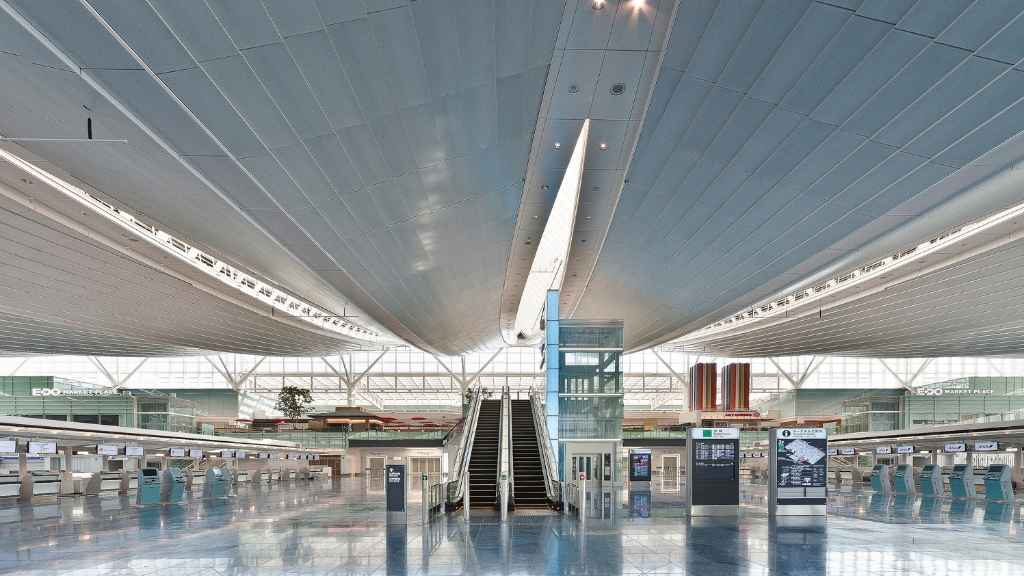
Airport taxi operators seek relief amid declining arrivals as private service providers at Bandaranaike International Airport warn of mounting financial pressure due to reduced passenger volumes and what they describe as unfair competitive conditions.
Airport taxi operators seek relief amid declining arrivals and rising competition
Private taxi operators serving Bandaranaike International Airport say the sharp drop in tourist arrivals, combined with escalating operational costs, has pushed their businesses into a critical position. Many of these operators have been functioning at the airport for more than two decades, offering transport services to both local and international travellers.
According to industry representatives, the current downturn in tourism—driven by seasonal travel patterns, high global airfares, and geopolitical tensions in the Middle East—has significantly reduced passenger traffic. This has directly affected demand for airport transport services, leaving operators struggling to cover their fixed costs.
One of the most pressing concerns raised by these operators is the high rental fee imposed by airport authorities. Collectively, private taxi service providers pay over Rs. 4 million per month to maintain their presence at the airport. In addition to rental expenses, each of the six operators maintains an average fleet of 12 vehicles and employs around six staff members at their respective counters, contributing to a combined workforce of approximately 250 employees.
Operators argue that these financial obligations have become increasingly unsustainable in the current environment, particularly given the sharp decline in business volumes. They also point to what they describe as an uneven competitive landscape within the airport’s transport ecosystem.
Specifically, operators have highlighted disparities between their operations and those of meter-based taxi services. While private taxi providers incur substantial monthly rental and operational costs, meter-based operators reportedly pay less than Rs. 100,000 per month to operate within the same premises. This discrepancy, they claim, creates a significant imbalance between service providers offering similar transport solutions.
Concerns have also been raised regarding advertising costs within the airport. Private taxi operators report that they are required to pay around Rs. 2 million to display advertising hoardings, whereas meter-based operators are offered similar promotional opportunities at a fraction of the cost, reportedly below Rs. 200,000. This pricing disparity further exacerbates the financial strain on established operators.
Industry representatives note that current conditions have resulted in near-zero business activity during certain periods, particularly as international travel demand weakens. They attribute this to a combination of factors, including the ongoing Middle East crisis, elevated airfare prices, and the off-peak tourism season. These challenges have significantly reduced passenger inflows, compounding the difficulties faced by airport-based transport providers.
In response, operators have formally requested a temporary relief package from airport authorities. Their proposal includes a 50% reduction in monthly rental fees for a period of three months, aimed at helping businesses navigate the current downturn until tourism arrivals recover. However, they state that the request has not yet received a favourable response.
Operators caution that failure to address these concerns could have broader economic and social implications. With approximately 250 staff employed across the six service providers, any prolonged financial distress may lead to workforce reductions. Such layoffs would not only impact the livelihoods of employees but also disrupt the availability of organised airport transport services.
The issue carries additional significance in the context of Sri Lanka’s tourism strategy, which places increasing emphasis on attracting high-end travellers. Private taxi operators play a key role in servicing this segment, offering premium transport solutions tailored to the needs of luxury tourists, business travellers, and visiting dignitaries.
Operators point out that their services have historically catered to a wide range of high-profile clients, including international celebrities, Indian film personalities, and heads of state visiting Sri Lanka. As such, they argue that the sustainability of private airport taxi services is closely linked to the country’s ability to deliver a seamless and high-quality travel experience for premium visitors.
The situation reflects broader pressures facing the tourism-linked service sector, where fluctuations in arrival numbers can have immediate and significant downstream effects. As Sri Lanka works towards rebuilding and expanding its tourism industry, stakeholders suggest that ensuring a level playing field and providing targeted support to essential service providers will be critical.
Airport taxi operators seek relief amid declining arrivals not only as a response to immediate financial stress but also as a measure to preserve service standards and employment within a key segment of the tourism value chain. Their appeal underscores the interconnected nature of the industry and the need for coordinated policy responses during periods of external uncertainty.