

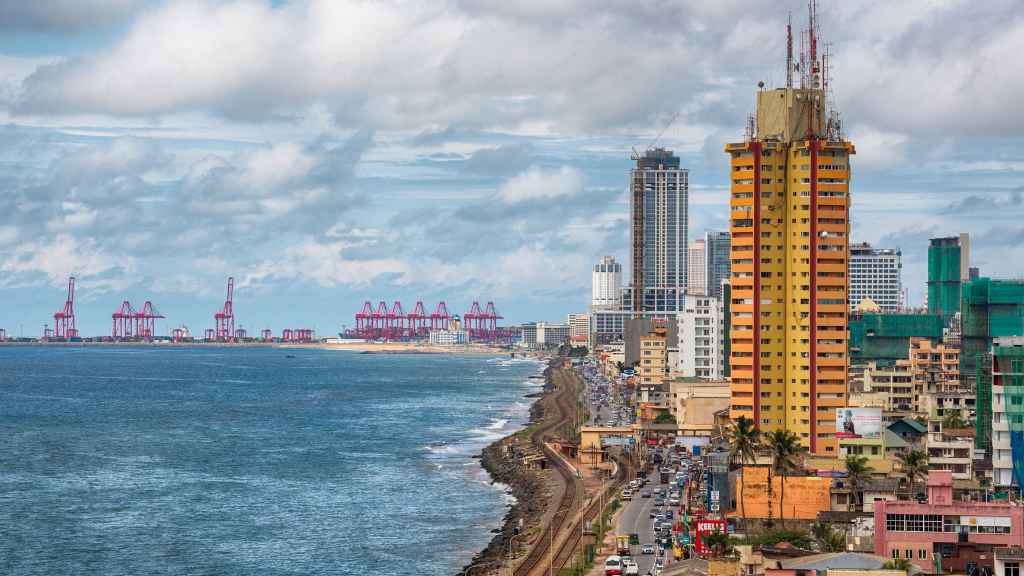
Ceylon Chamber urges non-essential forex curbs as Sri Lanka faces mounting economic risks from the escalating Middle East conflict, calling for urgent, coordinated policy measures to safeguard stability and sustain critical sectors.
Ceylon Chamber urges non-essential forex curbs amid Middle East crisis
The Ceylon Chamber of Commerce has outlined a series of recommendations to the Government aimed at mitigating the potential fallout from global geopolitical tensions, particularly those affecting energy markets, trade flows, and foreign exchange reserves. In its latest submission, the Chamber stressed that proactive and targeted interventions are essential to ensure continuity of economic activity in a volatile external environment.
The Ceylon Chamber urges non-essential forex curbs position reflects growing concern over pressure on the country’s external sector, especially as global uncertainties threaten to disrupt supply chains and increase import costs. The Chamber proposed temporarily limiting non-essential foreign currency outflows while prioritising forex allocation for critical imports such as fuel, food, pharmaceuticals, and key inputs for export industries.
A central recommendation is the designation of essential services and priority economic sectors to guide the allocation of scarce resources, including fuel and foreign exchange. By clearly identifying sectors that are critical to economic functioning—such as energy, healthcare, and export-oriented industries—the Government can ensure more efficient and targeted resource distribution during periods of disruption.
The Chamber also highlighted the importance of maintaining momentum in the IMF program Sri Lanka, emphasising the need for timely receipt of upcoming tranches to support macroeconomic stability. Continued engagement with international financial institutions, it noted, will be crucial in sustaining investor confidence and ensuring access to external financing.
In the context of energy security, the Chamber reiterated the need to adopt a more strategic and diversified approach to fuel procurement. It recommended exploring supply arrangements with a broader range of international suppliers to reduce dependence on any single source and enhance resilience against global shocks.
The Ceylon Chamber urges non-essential forex curbs proposal also includes measures to support key sectors such as tourism and exports. One notable suggestion is to allow licensed local bunkering companies to independently procure fuel for export-oriented industries and tourism operators, potentially on a foreign currency basis. This approach, previously implemented during Sri Lanka’s recent economic crisis, enabled critical sectors to continue operating without placing additional strain on domestic fuel supplies.
Ensuring the availability of aviation fuel was identified as particularly important for sustaining inbound tourism, a sector that remains a vital source of foreign exchange earnings. The Chamber also called for strengthened tourism promotion efforts, especially targeting high-potential markets such as India and East Asia.
In addition to fuel-related measures, the Chamber recommended expediting port clearance processes to improve trade efficiency and reduce delays in the movement of goods. Faster clearance times would help businesses manage inventory more effectively and mitigate the impact of potential supply chain disruptions.
To address rising fuel consumption, the Chamber proposed adopting flexible work arrangements across both the public and private sectors. Encouraging work-from-home options, where feasible, could help reduce transportation demand and conserve fuel. It also suggested adjusting academic calendars, including the possibility of advancing school and university closures ahead of the Awurudu holidays and temporarily shifting to online learning.
These measures, the Chamber argued, would not only reduce fuel demand but also help maintain productivity during periods of uncertainty. The emphasis is on balancing economic continuity with prudent resource management in a constrained environment.
The Chamber further underscored the importance of close coordination between the Government and the private sector. Effective communication and collaboration will be essential in implementing policy measures, responding to emerging risks, and ensuring that businesses are adequately informed to plan their operations.
The evolving Sri Lanka economy remains highly sensitive to external developments, particularly those related to global energy markets and trade dynamics. As a small, open economy with significant import dependence, Sri Lanka is especially vulnerable to disruptions in global supply chains and fluctuations in commodity prices.
Against this backdrop, the Chamber’s recommendations aim to provide a structured framework for managing risks while supporting key economic activities. The focus on prioritisation, diversification, and efficiency reflects a pragmatic approach to navigating an increasingly uncertain global landscape.
The Ceylon Chamber urges non-essential forex curbs stance highlights the urgency of timely policy action. As geopolitical tensions continue to evolve, the ability of policymakers to respond swiftly and effectively will be critical in safeguarding economic stability and protecting livelihoods.
Ultimately, the Chamber’s call for action underscores the need for a coordinated national response that leverages both public and private sector capabilities. By adopting targeted measures and maintaining strategic focus, Sri Lanka can better position itself to withstand external shocks and sustain its economic recovery trajectory.