

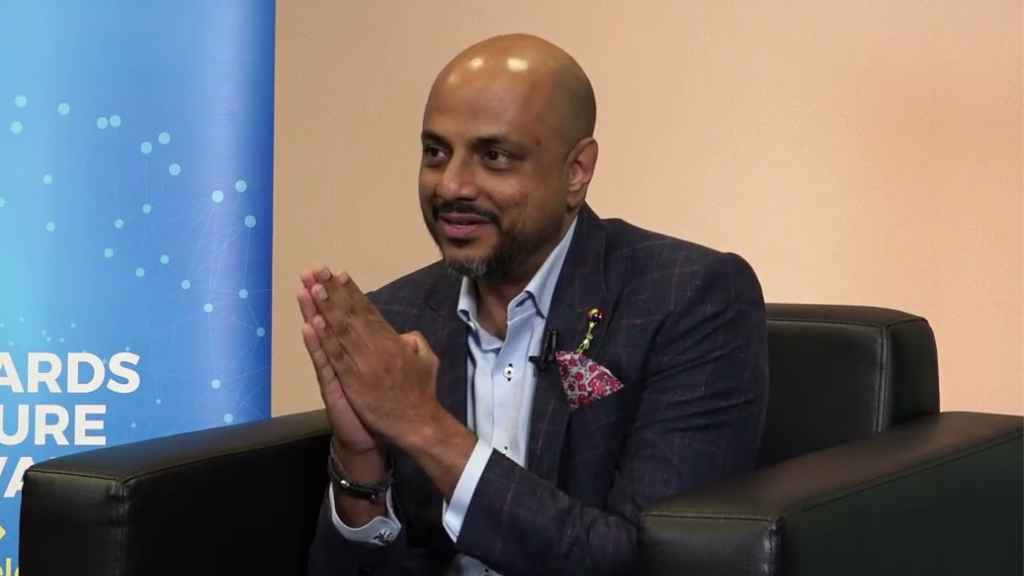
CGMA shapes strategic finance talent to navigate change and growth as the role of finance professionals rapidly evolves beyond traditional accounting, requiring a blend of technical expertise, digital capability, and strategic leadership in an increasingly uncertain global environment.
CGMA shapes strategic finance talent to navigate change and growth in Sri Lanka
As businesses confront accelerating technological change and persistent economic volatility, the demand for finance professionals who can contribute beyond reporting and compliance has intensified. The CGMA qualification, offered by the Association of International Certified Professional Accountants (AICPA and CIMA), is positioning itself as a critical pathway to develop this new generation of professionals capable of guiding organisations through complexity.
According to AICPA and CIMA Vice President for Asia Pacific Venkkat Ramanan, the transformation of the qualification reflects long-standing shifts within the finance profession rather than a recent change. Over the past two to three decades, the profession has undergone multiple waves of evolution, driven by technological advancements and changing business expectations. Today, the acceleration of artificial intelligence and digital tools has further amplified this shift, making adaptability and continuous learning essential.
A defining feature of the qualification is its focus on producing “T-shaped” professionals—individuals who combine deep technical expertise with broader competencies such as strategic thinking, collaboration, and digital fluency. This model reflects the changing expectations placed on finance professionals, who are now required to engage with multiple functions across organisations and contribute to long-term value creation. This evolution is central to CGMA shapes strategic finance talent to navigate change and growth, particularly in environments where uncertainty is a constant.
The curriculum has been updated to integrate emerging areas such as AI, digital transformation, and business strategy. While technical accounting knowledge remains a core component, it is complemented by skills that enable professionals to interpret complex data, make informed decisions, and provide strategic guidance. In this context, finance is no longer a back-office function but a key driver of organisational performance.
For Sri Lanka, these developments are particularly relevant. The country has faced a series of economic and external shocks in recent years, highlighting the need for resilience and adaptability across both the public and private sectors. Within this landscape, finance professionals play a critical role in supporting Sri Lanka finance professionals to navigate uncertainty, optimise resources, and maintain business continuity.
Ramanan emphasised that resilience is now the most important capability for both individuals and organisations. Businesses must continuously adapt their models, innovate, and respond to changing market conditions. Finance professionals, equipped with the right mix of technical and strategic skills, are expected to lead these efforts by identifying risks, evaluating opportunities, and ensuring sustainable growth.
The significance of the qualification is further underscored by its long-standing presence in Sri Lanka. As CIMA marks 60 years in the country, it reflects a strong link between finance education and national economic development. Over the decades, CGMA professionals have contributed across industries, strengthening governance frameworks, enhancing transparency, and supporting business expansion.
This connection highlights the broader role of professional education in building a skilled workforce capable of driving economic progress. By equipping individuals with globally recognised competencies, the qualification has helped create a talent pool that supports both domestic enterprises and international business operations. This aligns closely with the growing emphasis on financial leadership skills as a critical driver of organisational success.
Membership in AICPA and CIMA also provides additional value, offering access to global networks, continuous professional development, and insights into emerging trends. In a rapidly changing environment, staying updated is essential, and such resources enable professionals to remain competitive and relevant.
Despite the clear benefits, Ramanan noted that many individuals who complete their examinations do not transition to full membership. He encouraged candidates to recognise the long-term value of achieving full professional status, which enhances credibility and opens up broader career opportunities. Efforts are ongoing to streamline the membership process and support candidates in completing their professional journey.
Looking ahead, CGMA professionals are expected to play a pivotal role in Sri Lanka’s economic recovery and long-term growth. Their ability to combine analytical expertise with strategic insight positions them as key contributors to decision-making processes within organisations. By ensuring transparency, managing risks, and driving innovation, they can help rebuild confidence and attract investment into the economy.
The potential for partnerships between professional bodies, educational institutions, and industry stakeholders also presents an opportunity to further strengthen the talent pipeline. As demand for skilled professionals continues to rise, such collaborations can help bridge gaps and create pathways for future growth.
Ultimately, CGMA shapes strategic finance talent to navigate change and growth by equipping individuals with the skills, mindset, and adaptability required to succeed in a complex and evolving business landscape. As Sri Lanka continues its recovery journey, the role of finance professionals will remain central to sustaining momentum and building a resilient, future-ready economy.