

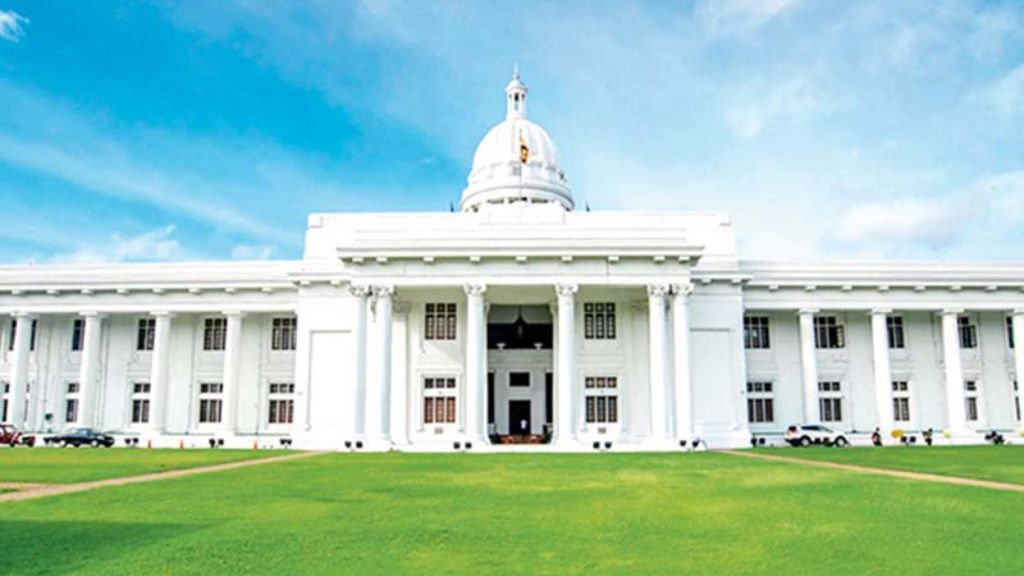
CMC complaints deadline has been extended until March 16, 2026, as authorities continue investigating alleged corruption and irregularities within the Colombo Municipal Council. The move comes amid ongoing political tensions over control of the council.
CMC complaints deadline extended amid probe into alleged corruption from 2010–2025
A Sri Lankan Presidential Commission has extended the deadline for receiving public complaints related to alleged corruption and fraud within the Colombo Municipal Council. The announcement was made by the President’s Media Division (PMD) as political friction continues over administrative control of the council.
The commission is tasked with examining alleged irregularities that occurred between 2010 and 2025. Initially, members of the public were instructed to submit complaints by February 23. However, the revised timeline now allows submissions until March 16, 2026, providing additional time for individuals to present information or evidence.
The extension of the CMC complaints deadline occurs against a backdrop of political contestation within the council. Although the ruling National People’s Power (NPP) controls the Colombo Municipal Council, an opposition coalition holds the majority of seats. This division has resulted in governance challenges since the most recent local government elections, including disputes surrounding the appointment of the Mayor.
Tensions escalated further when the ruling party initially lost the 2026 budget vote before securing approval in a subsequent attempt. Analysts suggest that these developments have heightened scrutiny over council operations and administrative decisions made over the past decade and a half.
The Presidential Commission of Inquiry began calling for public complaints in January, focusing on alleged acts of corruption, fraud, and abuse of authority within the municipal administration. Its investigative mandate is broad, encompassing criminal breach of trust, misuse of government resources, unlawful recruitment practices, procurement violations, and the improper allocation of privileges.
In addition, the Commission will examine potential irregularities in the leasing or renting of both movable and immovable municipal properties. It will also review legal actions and settlements that may have been carried out outside established procedural safeguards. Authorities have indicated that particular attention will be given to instances where state assets or public revenue may have suffered serious losses.
The CMC complaints deadline extension provides a procedural buffer that could increase public participation. By allowing submissions in Sinhala, Tamil, or English, the Commission aims to facilitate inclusive engagement across linguistic communities. Written complaints must be addressed to the Secretary of the Commission at No. 152, Galle Road, Colombo 03.
The PMD has clarified that all submissions must include the complainant’s name, address, contact telephone number, and either a National Identity Card number or passport number. However, individuals may request that their identity remain confidential, reflecting an effort to balance accountability with personal security.
From an institutional standpoint, extending the CMC complaints deadline may serve multiple objectives. Operationally, it expands the evidentiary pool available to investigators, potentially strengthening the integrity of findings. Politically, it signals a continued commitment to oversight at a time when municipal governance remains contested.
The Colombo Municipal Council is one of the country’s most significant local government bodies, overseeing urban administration in the commercial capital. Decisions taken within the council directly influence public infrastructure, procurement contracts, property management, and service delivery affecting a large segment of the population.
Given the extended 15-year review period, the Commission’s findings could have substantial administrative and legal implications. Depending on the evidence gathered, outcomes may range from procedural reforms to potential legal proceedings against individuals found responsible for misconduct.
Governance experts note that commissions of inquiry play a dual role in transitional political contexts. Beyond establishing accountability, they can function as mechanisms to restore public confidence in institutions. However, their effectiveness ultimately depends on transparency, procedural fairness, and the implementation of recommendations.
As the revised March 16 deadline approaches, the Commission is expected to intensify outreach efforts to ensure that individuals with relevant information come forward. The extension of the CMC complaints deadline underscores the seriousness of the investigation and the broader effort to address alleged irregularities within Sri Lanka’s municipal governance framework.