

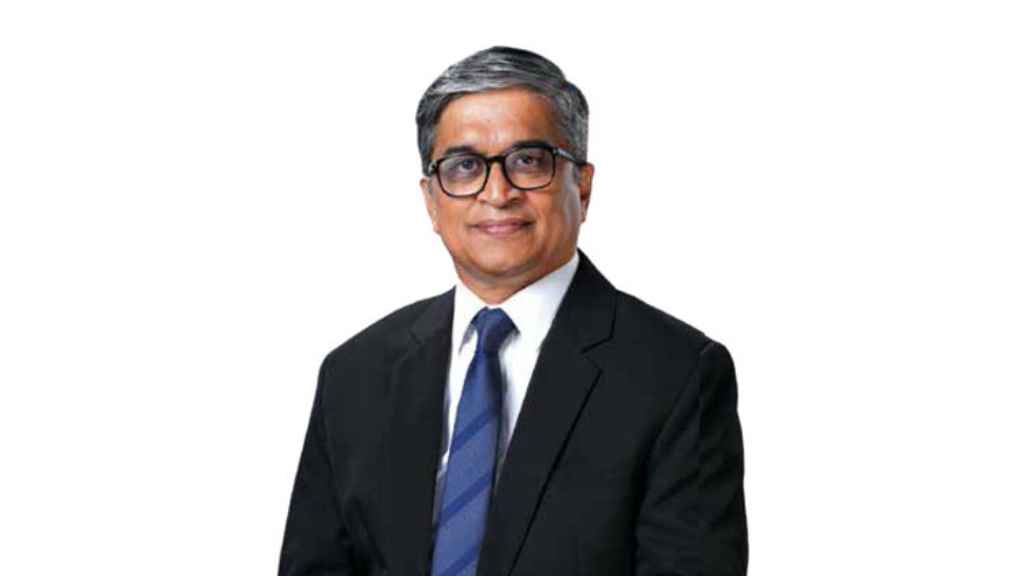
Dimal Arandara appointed chairman of loss-making SriLankan Airlines as the national carrier faces mounting financial pressures, governance challenges, and growing public scrutiny over its long-term sustainability.
Dimal Arandara appointed chairman of loss-making SriLankan Airlines amid challenges
The appointment, which takes immediate effect, was confirmed through an internal communication circulated within the airline. According to the communiqué, the decision was made with the direct concurrence of the President, placing Arandara at the helm of one of Sri Lanka’s most closely watched state enterprises during a particularly challenging period.
Arandara assumes leadership of SriLankan Airlines at a time when the carrier continues to grapple with significant financial losses and persistent concerns about its future direction. The appointment follows the resignation of former Chairman Sarath Ganegoda earlier this year, extending a period of uncertainty for the state-owned airline as it seeks to navigate both operational and financial hurdles.
The latest leadership change comes amid heightened debate over the airline’s financial position. Recent reports indicating that SriLankan Airlines is seeking an additional Rs. 100 billion in government funding have intensified public discussion about the carrier’s viability and its continued reliance on state support.
Critics argue that repeated financial assistance to the airline places a substantial burden on public finances, particularly at a time when Sri Lanka is focused on maintaining fiscal discipline following its economic crisis. Opposition voices have questioned whether additional taxpayer-funded capital injections can be justified without a clearly defined and transparent restructuring strategy capable of delivering long-term financial sustainability.
The funding request has also renewed attention on longstanding structural issues that have affected the airline for years. Industry analysts have frequently pointed to governance weaknesses, operational inefficiencies, and strategic uncertainty as factors contributing to the carrier’s recurring losses.
Against this backdrop, the appointment of Arandara is likely to place renewed focus on corporate governance and financial oversight within the organization. His professional background in public finance is expected to be a significant factor as the airline seeks to balance commercial objectives with broader government policy considerations.
One of the most pressing challenges facing SriLankan Airlines remains the prolonged vacancy in its top executive leadership position. The airline has been operating without a permanent Chief Executive Officer for more than a year following the departure of former CEO Richard Nuttall in April 2025.
Since then, day-to-day operations have been overseen by Acting CEO Yasantha Dissanayake under interim arrangements. Despite multiple recruitment efforts, the carrier has yet to appoint a permanent chief executive, raising concerns among industry observers about the absence of long-term strategic leadership.
Aviation experts note that airlines operate in an increasingly complex and competitive global environment influenced by fluctuating fuel prices, changing travel demand, geopolitical risks, and evolving customer expectations. In such conditions, stable executive leadership is often viewed as essential for implementing strategic reforms, improving operational performance, and rebuilding stakeholder confidence.
The continued absence of a permanent CEO has therefore become a key concern for both employees and industry observers. Many believe that filling the position is critical to developing and executing a comprehensive turnaround plan capable of addressing the airline’s financial and operational challenges.
As Chairman, Arandara is expected to play a central role in guiding discussions around the future of SriLankan Airlines, including potential restructuring initiatives, governance reforms, and strategies aimed at improving financial performance.
His experience as a senior official from the Ministry of Finance and his previous role as the Treasury Representative on the airline’s board provide him with familiarity regarding both the company’s operations and the broader fiscal considerations surrounding state-owned enterprises.
The appointment also comes at a time when policymakers continue to evaluate the future role of government-owned commercial entities within Sri Lanka’s economy. The debate surrounding SriLankan Airlines has often centered on whether the carrier can be transformed into a financially sustainable operation or whether more significant structural reforms may eventually be required.
For now, Arandara inherits an airline facing considerable challenges but also one that remains strategically important to the country’s tourism sector, international connectivity, and national aviation infrastructure.
Whether the new chairman can help restore confidence, strengthen governance, and steer the airline toward a more sustainable future will be closely watched by policymakers, employees, investors, and the travelling public in the months ahead.