

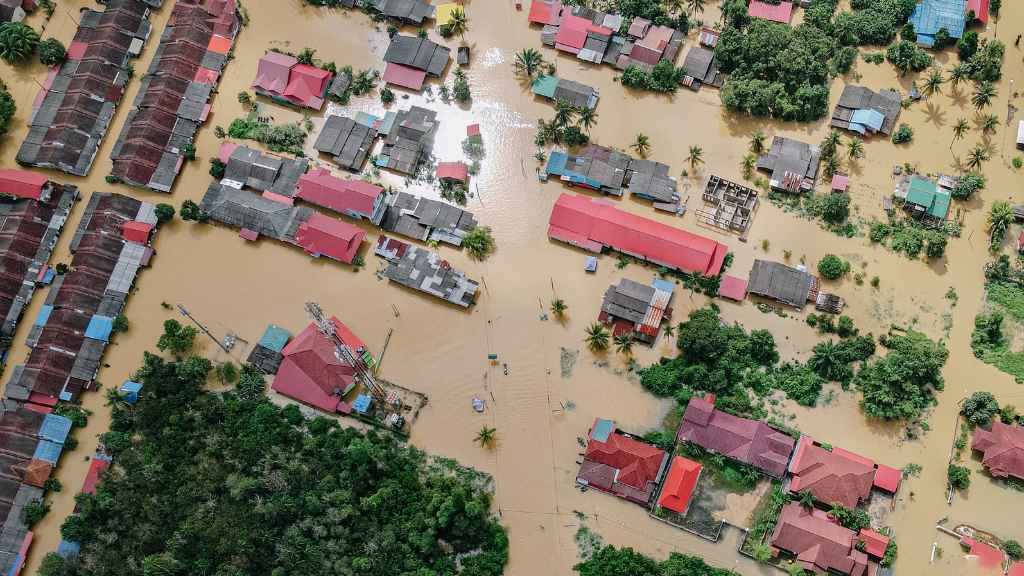
Donor agencies commit $350mn for Sri Lanka to support post-cyclone recovery, providing vital funding to rebuild infrastructure, stabilise the economy, and deliver urgent humanitarian assistance across affected regions.
Sri Lanka cyclone recovery sees $350mn commitment from donors, more aid expected in 2026
Sri Lanka is receiving a significant boost in recovery efforts after the recent cyclone, with donor agencies committing $350mn for Sri Lanka to support reconstruction and emergency relief. Deputy Treasury Secretary A K Seneviratne confirmed that this funding exceeds the original 2025 budget allocation and forms a critical part of the country’s efforts to restore normalcy across affected communities.
Speaking before the parliament’s Committee on Public Finance, Seneviratne highlighted that additional aid is anticipated in the coming months. “There is a foreign exchange issue. There are commitments of 350 million dollars now, above the original 2025 budget, by donor agencies. We will get more in the future. In addition, there is the re-building fund, which is also receiving additional funds. It is from these that recovery activities are financed,” he stated.
The International Monetary Fund (IMF) has been among the key contributors, approving $206 million under its Rapid Finance Instrument (RFI) last week. According to the IMF, this RFI allocation represents approximately 28 percent of the total urgent balance-of-payments requirement caused by the cyclone. This rapid infusion of funds is aimed at stabilising the economy, supporting essential imports, and ensuring that affected communities receive immediate aid.
Other international development partners, including the World Bank and Asian Development Bank, are actively exploring mechanisms to provide accelerated assistance. Options under consideration include fast-tracking pre-committed financing, mobilising new funding, and offering direct budget support. These combined efforts are expected to strengthen the country’s fiscal resilience while addressing urgent humanitarian needs.
The World Bank has already activated $120 million in emergency components under its new programs to deliver targeted support to cyclone-affected areas. This includes funding for infrastructure repairs, essential service restoration, and community-level rehabilitation initiatives. Various development agencies have also been coordinating to provide rescue assistance, emergency relief, and financial support to vulnerable populations.
The IMF report emphasised the positive impact of the donor contributions, noting that the proposed RFI and its catalytic effect could help contain the decline in Sri Lanka’s reserves to around $115 million. This would enable the authorities to maintain a path of reserve accumulation, reinforce market confidence, and strengthen the country’s external sustainability.
President Anura Kumara Dissanayake expressed optimism about future aid, indicating that approximately $500 million in additional financing is expected for the 2026 budget. Such commitments are expected to bolster Sri Lanka’s ability to implement medium- and long-term recovery projects, improve infrastructure resilience, and mitigate the socio-economic impact of natural disasters on local communities.
The cyclone, which struck parts of Sri Lanka recently, caused widespread damage, affecting homes, roads, power systems, and other critical infrastructure. The financial support from international donors is crucial not only to restore essential services but also to support economic stability, job creation, and the overall well-being of affected populations.
As Sri Lanka navigates this recovery phase, donor funding will complement domestic initiatives, enabling accelerated rebuilding of critical sectors, including education, healthcare, and housing. The combined efforts of the government, IMF, World Bank, Asian Development Bank, and other international partners underscore a coordinated and strategic approach to disaster management and economic recovery.
Experts note that effective utilisation of these funds will be vital for building long-term resilience against future climate shocks. By investing in infrastructure improvements, early warning systems, and community preparedness programs, Sri Lanka can reduce vulnerability to similar events while supporting sustainable development.
The commitment of $350 million, along with anticipated additional aid, highlights the global confidence in Sri Lanka’s recovery strategy. It reflects a shared responsibility among international partners to assist nations in rebuilding after extreme weather events while fostering financial stability and social resilience.
This historic donor response provides a foundation for Sri Lanka to not only recover from the immediate impact of the cyclone but also strengthen its preparedness and resilience for future challenges. The strategic deployment of these resources is expected to accelerate recovery timelines, enhance service delivery, and reinforce public trust in governmental and international support systems.