

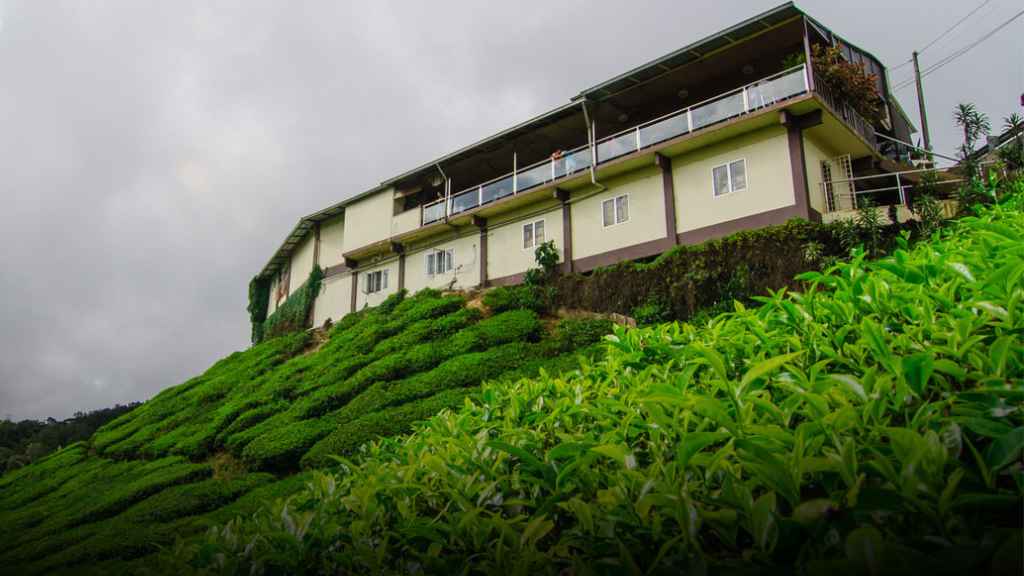
Evergreen Group tea production reached a historic milestone in 2025 as the private sector giant emerged as Sri Lanka’s largest tea producing group, reaffirming its leadership, operational scale, and enduring influence within the national plantation industry.
Evergreen Group tea production leads Sri Lanka for eighth year
Evergreen Group, headquartered in Horangalla, Thalgaswela in the Galle district, has once again consolidated its dominance in Sri Lanka’s tea sector by recording the highest tea production and sales volume among private groups in 2025. The company sold an impressive 10,379,568 kilogrammes of tea during the year, securing its position as the country’s largest tea producing private group for the eighth consecutive year.
The sustained performance highlights Evergreen Group’s operational strength, supply chain depth, and consistent engagement with growers and workers across Sri Lanka’s southern tea-growing regions. In an industry often challenged by fluctuating global demand, climate variability, and rising production costs, the group’s ability to maintain leadership underscores its strategic resilience and disciplined management practices.
Evergreen Group operates under the leadership of Chairman Aruna de Silva, with overall operations driven by a seasoned management team that includes Deputy Chairman Senal de Silva, Director Minul de Silva, Director of Rekadahena Plantations Dushara Shanka, and Group General Manager Lasantha de Alwis. Together, the leadership team oversees a diversified plantation and manufacturing network that balances scale with quality assurance.
The group produces both Orthodox and CTC teas, enabling it to serve a wide spectrum of international and domestic markets. This product diversity allows Evergreen Group to respond effectively to shifting buyer preferences while maintaining competitiveness across price segments. Industry analysts note that such flexibility has become increasingly important as global tea markets evolve and demand patterns vary by region.
Quality assurance remains a cornerstone of Evergreen Group tea production. All factories operating under the group hold ISO certifications, reflecting adherence to internationally recognised standards in processing, safety, and environmental management. These certifications not only enhance buyer confidence but also strengthen Sri Lanka’s broader reputation as a reliable source of high-quality tea.
A key pillar of the group’s success is its extensive smallholder network. Approximately 30,000 smallholders supply green leaf to Evergreen Group factories, forming a critical link between rural livelihoods and the export-oriented tea economy. By maintaining consistent procurement and processing standards, the group supports income stability for thousands of farming families while ensuring reliable raw material supply for its operations.
Employment generation is another significant contribution of Evergreen Group to the regional economy. The group employs more than 4,000 people, primarily drawn from surrounding communities. This workforce supports plantation operations, factory processing, logistics, and administrative functions, making the group one of the largest private-sector employers in the local tea industry.
Evergreen Group’s production scale is supported by a network of 13 factories strategically located across key tea-growing areas. These include Evergreen, Brombil, Thundola, Talangaha, Katandola, Wathurawila, Walahanduwa, Hill Garden, Rekadahena, Kanneliya, Lihiniyawa, Marakanda, and Devithurai. The geographic spread of these facilities allows the group to optimise collection efficiency, reduce transport time for green leaf, and maintain consistent processing quality.
The group’s eighth consecutive year as the leading private tea producer reflects not only volume leadership but also long-term investment in infrastructure, people, and systems. Industry observers point out that sustained leadership at this scale requires disciplined planning, continuous factory upgrades, and close coordination with growers, especially during periods of production volatility.
Within the broader context of Sri Lanka’s plantation sector, Evergreen Group tea production stands as an example of how private sector scale and professional management can coexist with community engagement and quality-driven growth. As global buyers increasingly prioritise traceability, certification, and supply reliability, the group’s integrated operational model positions it favourably for continued market relevance.
With Sri Lanka’s tea industry navigating global competition and evolving sustainability expectations, Evergreen Group’s performance in 2025 reinforces the role of established private groups in safeguarding export earnings and rural employment. Stakeholders anticipate that the company’s scale, leadership continuity, and production diversity will continue to shape the competitive landscape of the national tea sector in the years ahead.