

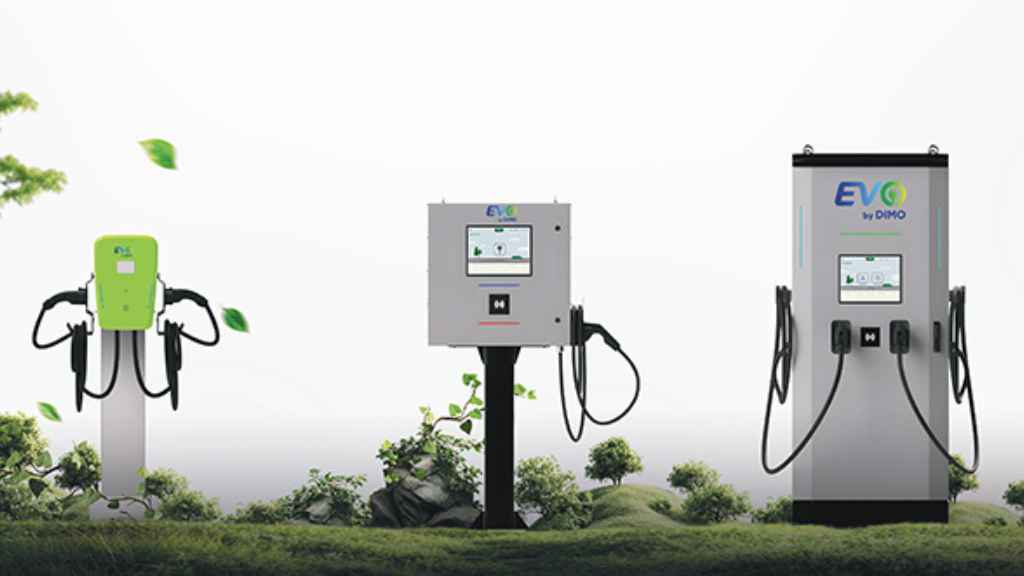
EVO by DIMO accelerates electric mobility as Sri Lanka strengthens its EV infrastructure with advanced charging solutions. The initiative introduces scalable, high-performance technology designed to support the country’s transition toward sustainable transportation and commercial EV adoption.
EVO by DIMO accelerates electric mobility with Siemens EV charging expansion
EVO by DIMO accelerates electric mobility through a strategic deployment of advanced EV charging solutions, marking a pivotal step in Sri Lanka’s transition toward a more sustainable and technology-driven transport ecosystem. As the country experiences gradual growth in electric vehicle adoption, the need for reliable, scalable, and high-capacity charging infrastructure has become increasingly critical.
The launch of EVO by DIMO represents a targeted response to this demand. Developed under DIMO’s Power and Energy division, the platform is designed to bridge infrastructure gaps that often hinder the widespread adoption of electric vehicles. By introducing a comprehensive range of charging solutions, the initiative aims to create a more accessible and efficient charging network across key commercial and urban locations.
A central feature of this rollout is the introduction of Siemens EV charging technology, a globally recognized standard in high-performance charging systems. The inclusion of Siemens chargers signals a focus on quality, reliability, and scalability—three essential components for building a sustainable electric mobility ecosystem. These chargers are engineered to handle varying power requirements, ranging from 11kW to 360kW, allowing flexibility across different use cases.
This wide charging capacity range is particularly significant in a developing EV market like Sri Lanka. Lower-capacity chargers are suitable for residential or workplace charging, where vehicles remain parked for extended periods, while high-capacity fast chargers cater to commercial environments requiring rapid turnaround. By offering both, EVO by DIMO accelerates electric mobility through a layered infrastructure strategy that addresses diverse user needs.
The Siemens commercial EV charging portfolio is specifically designed for high-demand environments. These include office complexes, shopping malls, hotels, hospitals, universities, and dedicated EV charging stations. Such locations serve as critical nodes in the EV ecosystem, where accessibility and efficiency directly influence user adoption. By integrating chargers into these spaces, the platform ensures that EV users have consistent access to charging facilities during their daily routines.
From an operational standpoint, these chargers are built for energy efficiency and durability. In high-usage environments, energy management becomes a key consideration, particularly in managing load distribution and minimizing operational costs. The Siemens systems are optimized to deliver consistent performance while maintaining energy efficiency, making them suitable for commercial deployment at scale.
EVO by DIMO also introduces a notable innovation to the Sri Lankan market: the country’s first dual-gun AC 22kW chargers with an IP65 rating. This feature enhances the versatility of charging stations by allowing simultaneous charging of two vehicles from a single unit. In high-traffic areas such as hotels, roadside stations, and commercial complexes, this significantly improves operational efficiency and reduces infrastructure footprint.
The IP65 rating further adds value by ensuring protection against dust and water ingress, making these chargers suitable for outdoor installations in Sri Lanka’s humid and often unpredictable climate. This durability is essential for long-term infrastructure resilience, particularly in regions with varying environmental conditions.
From a market development perspective, the introduction of EVO by DIMO accelerates electric mobility by addressing one of the most significant barriers to EV adoption: charging accessibility. Range anxiety remains a key concern among potential EV users, and the availability of reliable charging infrastructure plays a crucial role in mitigating this issue. By expanding the network of charging stations, DIMO is effectively contributing to increased consumer confidence in electric vehicles.
Additionally, the platform aligns with global trends in energy transition and decarbonization. As countries move toward reducing carbon emissions, electric mobility is becoming a central component of national energy strategies. Infrastructure providers like DIMO play a critical role in enabling this transition by ensuring that the supporting ecosystem is robust and scalable.
The introduction of this platform also has implications for commercial stakeholders. Businesses operating in sectors such as hospitality, retail, and real estate can integrate EV charging facilities as value-added services. This not only enhances customer experience but also positions these businesses as forward-thinking and environmentally conscious. In competitive markets, such differentiators can significantly influence consumer choice and brand perception.
From an economic standpoint, the deployment of EV charging infrastructure represents a long-term investment in the country’s energy and transportation sectors. While initial setup costs may be high, the long-term benefits include reduced reliance on fossil fuels, lower maintenance costs for electric vehicles, and improved energy efficiency. EVO by DIMO accelerates electric mobility by creating a foundation that supports these economic and environmental benefits.
The platform also opens up opportunities for future technological integration. As smart grid technologies and renewable energy sources become more prevalent, EV charging infrastructure can be integrated into broader energy management systems. This could enable dynamic load balancing, time-based charging tariffs, and even vehicle-to-grid (V2G) applications in the future.
However, the success of such initiatives depends on several factors. Policy support, consumer adoption, and continued investment in infrastructure will all play critical roles in determining the pace of electric mobility growth in Sri Lanka. Public-private partnerships may also become increasingly important as the sector evolves.
In conclusion, EVO by DIMO accelerates electric mobility by combining advanced charging technology, strategic infrastructure deployment, and a forward-looking approach to sustainable transportation. By introducing Siemens EV charging solutions and innovative dual-gun chargers, the platform addresses both current and future demands of Sri Lanka’s EV ecosystem. As adoption continues to grow, such initiatives will be instrumental in shaping the country’s transition toward cleaner and more efficient mobility.