

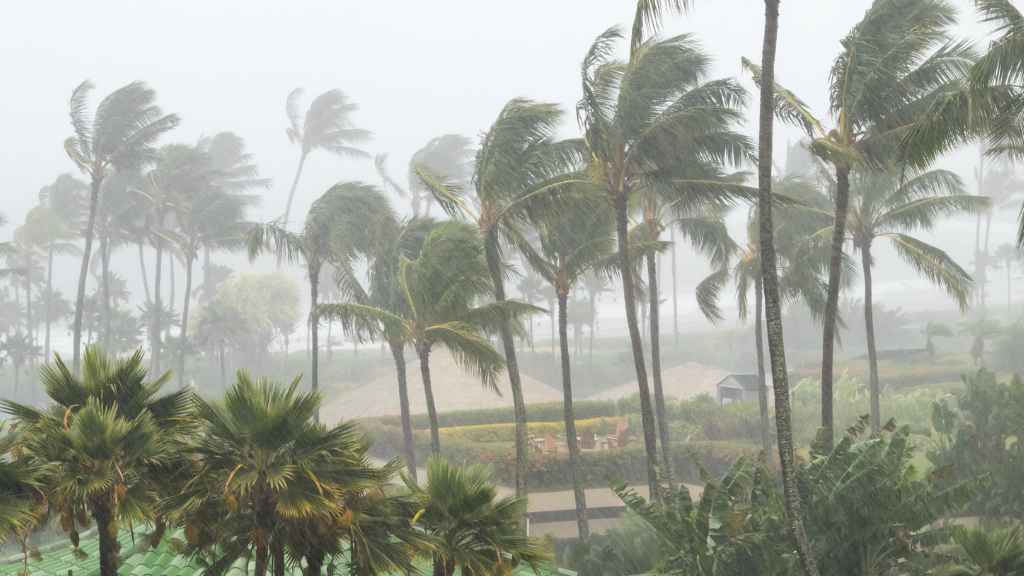
Global academics call for Sri Lanka to default after Cyclone Ditwah, arguing the current debt restructuring fails to protect the nation from climate shocks and economic vulnerability. Experts urge immediate action to restore fiscal sustainability.
Leading economists call for Sri Lanka debt suspension following Cyclone Ditwah’s devastation
In the wake of Cyclone Ditwah, a coalition of leading global academics and economists has called for Sri Lanka to suspend external debt payments and consider a new debt restructuring. The statement highlights the nation’s acute vulnerability to climate-induced disasters and external shocks, which the current IMF-supported debt framework fails to address.
The signatories, including Joseph Stiglitz of Columbia University and Stephanie Kelton of Stony Brook University, argued that Sri Lanka’s ongoing debt service obligations are incompatible with the country’s capacity to recover from severe natural disasters. They stress that the existing 17th IMF sovereign debt restructuring, executed under the 48-month Extended Fund Facility (EFF), provides only limited relief and leaves Sri Lanka exposed to further financial and environmental crises.
“The existing restructuring – modest, conditional, and tied to uncertain macroeconomic outcomes – is inadequate to protect the vulnerable majority from recurrent climate and external shocks,” the statement read. It called for the immediate suspension of external sovereign debt payments and a new framework that ensures debt sustainability in light of unprecedented climate pressures.
Cyclone Ditwah caused catastrophic damage across Sri Lanka, displacing over 1.4 million people, claiming nearly 800 lives, and devastating key infrastructure. The environmental emergency has compounded the country’s already fragile economic situation, stressing government finances, reducing fiscal space, and increasing the need for reconstruction and imports.
Under the current IMF arrangement, creditors agreed to a 17% reduction in net present value of Sri Lanka’s debt payments, leaving government external debt obligations at approximately 25% of revenue—among the highest globally. IMF analyses indicate that the country has a 50% chance of default or requiring another restructuring, even after debt relief. The IMF itself warns that debt risks will remain elevated for years, while social spending benchmarks have often been missed.
The statement from academics emphasizes that prioritizing debt service over human welfare exacerbates structural vulnerabilities. High debt obligations divert critical resources from disaster recovery, social protection, and infrastructure rebuilding. The coalition advocates for a debt framework that recognizes climate-related disasters as systemic rather than exceptional, and that provides substantial cancellation without punitive conditions.
Prominent economists, including Thomas Piketty, Yanis Varoufakis, and Mariana Reis Maria, argue that a sustainable approach to Sri Lanka’s sovereign debt must focus on long-term economic viability, environmental protection, and human welfare. By suspending debt payments and reallocating resources to reconstruction and social protection, the nation can better safeguard citizens and restore economic stability.
The academics stress that additional IMF lending, while necessary in the immediate term, is insufficient to address structural vulnerabilities. They call for a holistic approach that integrates climate resilience into financial planning, emphasizing that the current debt servicing model leaves Sri Lanka acutely exposed to further shocks, whether climatic or economic.
“This is a critical moment for Sri Lanka. Without fundamental reform, the country risks perpetuating a cycle of debt dependence, social vulnerability, and climate-induced disruption,” said Professor Jayati Ghosh, coordinating the statement from the University of Massachusetts-Amherst.
The call for a revised debt strategy aligns with broader global discourse on climate justice and sustainable financial governance. Experts argue that conventional debt frameworks, designed without consideration for environmental shocks, are ill-equipped to protect nations facing repeated natural disasters. For Sri Lanka, the aftermath of Cyclone Ditwah underscores the urgent need for a restructuring approach that balances fiscal obligations with human and environmental priorities.
Signatories to the statement include 20 other notable economists and academics from institutions across the USA, Europe, India, Brazil, and Vietnam, reflecting a broad consensus in the international academic community on the need for urgent debt relief measures in Sri Lanka.
In summary, the call for Sri Lanka to default again is rooted not in fiscal irresponsibility, but in a strategic effort to create space for disaster recovery, protect human welfare, and restore long-term economic stability. As climate shocks become more frequent and severe, experts argue that sustainable, resilience-oriented debt frameworks are not merely desirable—they are essential for the survival and recovery of nations like Sri Lanka.