

Gulf turmoil will stress-test Sri Lanka’s economic resilience – MTI as escalating conflict in the Middle East threatens to disrupt tourism flows, exports, energy markets and remittance inflows critical to the island’s fragile recovery.
Gulf turmoil will stress-test Sri Lanka’s economic resilience – MTI warns of multi-sector impact
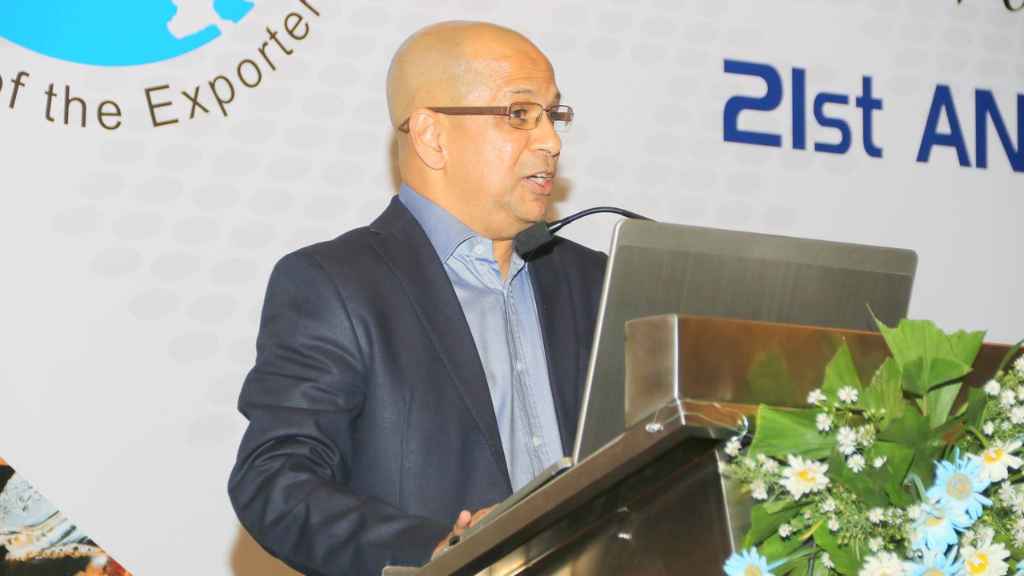
Commenting from Bahrain, Hilmy Cader, CEO of MTI Consulting, cautioned that intensifying geopolitical tensions in the Gulf could test the foundations of Sri Lanka economic resilience at a time when macroeconomic stabilisation remains incomplete.
According to Cader, airlines from the six Gulf Cooperation Council countries operate approximately 140 scheduled commercial flights per week into Sri Lanka. These routes serve as a primary transit channel for European tourists. With Gulf airspaces facing partial closures and operational disruptions, the knock-on effect could significantly curtail passenger flows not only from the Middle East but also from Europe, where connecting flights through Gulf hubs are a dominant corridor.
Tourism, which has been gradually recovering after years of pandemic and economic shocks, remains highly sensitive to aviation connectivity and traveler confidence. Any sustained reduction in flight frequency or route reliability could translate into immediate booking cancellations, delayed arrivals, and downward pressure on occupancy rates across the hospitality sector. In the short term, this may affect foreign exchange earnings, a critical variable underpinning Sri Lanka economic resilience.
The disruption risk extends beyond passenger travel. Sri Lanka’s export sector—particularly perishables and time-sensitive goods—relies heavily on air cargo routed through Gulf hubs. Fresh produce, seafood, and high-value niche exports face logistical vulnerabilities if cargo capacity tightens or transit times extend. Such bottlenecks can erode price competitiveness and damage supplier reliability in international markets, compounding supply chain disruption Sri Lanka exporters are already navigating in a volatile global trade environment.
Cader further highlighted the exposure of Sri Lanka’s tea exports to Middle Eastern markets. Nearly 50% of Sri Lankan tea shipments, valued at approximately $1.5 billion annually, are destined for the Gulf and surrounding regions. Any economic slowdown in host economies due to conflict-related instability could dampen consumption demand, delay payments, or tighten trade financing conditions. Given tea’s strategic role in foreign exchange generation, even marginal declines in volumes or prices could ripple through the broader balance of payments framework.
Perhaps more structurally significant is the labour market linkage. Close to one million Sri Lankans are employed across Gulf economies. Remittances from these workers constitute a vital lifeline for household consumption, rural income stability, and external sector financing. If Gulf-based businesses experience contraction or restructuring, employment security for migrant workers could weaken, thereby reducing remittance inflows. In a macroeconomic context where external buffers remain rebuilding, any decline in remittances would directly pressure Sri Lanka economic resilience.
Energy markets present another transmission channel. The Gulf region sits at the heart of global crude supply routes, particularly through the Strait of Hormuz. Heightened conflict risks can disrupt shipping lanes or elevate insurance premiums for tanker traffic, contributing to oil price volatility. For an energy-importing nation like Sri Lanka, higher global crude benchmarks would translate into elevated import bills and potential domestic fuel price adjustments. This, in turn, could widen the trade deficit and reintroduce inflationary pressures that policymakers have been working to contain.
The secondary effects merit equal attention. Elevated fuel prices increase transport and production costs, potentially eroding competitiveness for export-oriented industries. Consumer purchasing power could be constrained if energy pass-through effects cascade into broader price increases. Investor sentiment may also turn cautious if geopolitical uncertainty deepens, delaying capital flows or strategic investments tied to regional stability.
While Sri Lanka has strengthened certain macroeconomic buffers—improving foreign reserves, stabilising inflation and consolidating fiscal measures—the economy remains interconnected with global supply chains and migrant labour markets. The Gulf turmoil will stress-test Sri Lanka’s economic resilience not only through direct trade and travel channels but via confidence effects, capital movements, and commodity pricing cycles.
From a policy standpoint, risk mitigation may require proactive diplomatic engagement to safeguard migrant worker interests, diversified export market strategies to reduce concentration risk, and prudent energy procurement planning to cushion price shocks. Strengthening logistics alternatives and exploring non-Gulf aviation corridors could also moderate the severity of supply chain disruption Sri Lanka firms may encounter if regional airspace restrictions persist.
Ultimately, the evolving situation underscores the structural reality that small, open economies are disproportionately exposed to external shocks. The Gulf turmoil will stress-test Sri Lanka’s economic resilience at a delicate juncture in its recovery trajectory. Whether the impact becomes a temporary headwind or a more sustained drag will depend on conflict duration, global energy market responses, and the agility of domestic policy interventions.
For now, the caution from MTI Consulting reflects a broader recognition within the business community: economic rebuilding efforts must be accompanied by contingency planning, diversification, and resilience-oriented strategy in an increasingly volatile geopolitical landscape.