

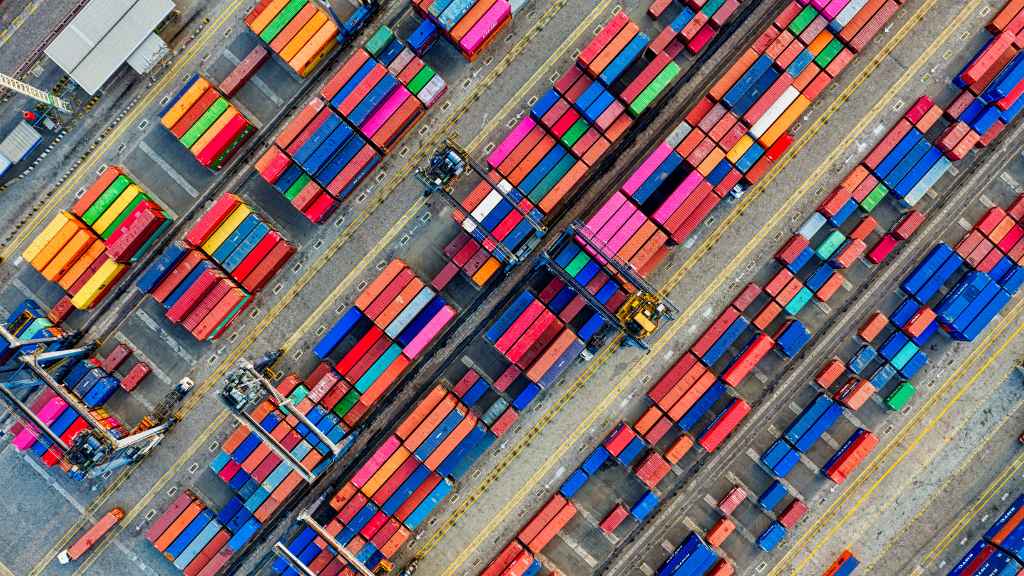
Hainan special customs supervision zone entered a new phase this week as China launched island-wide customs operations designed to liberalise trade, expand zero-tariff coverage and strengthen the Hainan Free Trade Port as a global gateway for business and investment.
Hainan special customs supervision zone expands zero-tariff access
China has officially transformed Hainan Island into a special customs supervision zone, marking a major milestone in the country’s push to deepen free trade and advance high-standard opening-up. The move introduces island-wide special customs operations within the Hainan Free Trade Port, the largest free trade port in the world by area, and is widely viewed as a strategic response to growing global protectionism.
Under the new framework, the entire tropical island, spanning more than 30,000 square kilometres, will operate under a distinct customs system that enables freer movement of overseas goods while maintaining regulated access to the Chinese mainland. Officials say the change represents a decisive step forward in the evolution of the Hainan Free Trade Port, shifting it into a more mature and internationally aligned phase of development.
The Hainan special customs supervision zone is designed around a dual-access mechanism described by authorities as “freer access at the first line” and “regulated access at the second line.” The first line refers to trade between Hainan and overseas markets, where customs procedures have been significantly simplified to encourage cross-border flows of goods and services. The second line governs the movement of goods from Hainan into the mainland, where standard customs controls continue to apply in order to safeguard domestic market stability.
A central feature of the new customs regime is the substantial expansion of zero-tariff coverage. The share of goods eligible for zero tariffs has risen sharply from 21 percent to 74 percent, while the number of listed items has increased from approximately 1,900 to more than 6,600. This expansion is expected to lower operating costs for businesses, improve supply chain efficiency and enhance Hainan’s competitiveness as a regional trade hub.
In addition, zero-tariff goods that undergo processing on the island may be sold into the mainland market without import duties, provided local processing generates at least 30 percent added value. This provision encourages higher-value manufacturing and processing activities within Hainan, supporting industrial upgrading rather than simple transshipment.
For foreign companies, the new customs supervision zone offers a business environment increasingly aligned with international standards. Enterprises operating in Hainan can benefit from reduced tax burdens, lower production costs and expanded access to service sectors such as healthcare, education and telecommunications. The island is also positioned as a strategic platform for companies seeking to access China’s vast domestic market while maintaining strong global trade links.
Once considered an underdeveloped frontier region, Hainan’s transformation has been decades in the making. In 1988, the island was designated as China’s largest special economic zone, laying the groundwork for market-oriented reforms and policy experimentation. A comprehensive master plan released in 2020 set out the goal of building Hainan into a globally influential, high-level free trade port by the middle of the century.
Progress since then has been rapid. Official figures show that more than 9,600 foreign-invested enterprises have been established in Hainan since 2020, reflecting growing confidence in the island’s policy environment and long-term prospects. The launch of island-wide special customs operations is expected to further accelerate this trend by enhancing predictability and transparency for investors.
The timing of the announcement also carries symbolic weight. The launch date, December 18, coincides with the anniversary of a landmark Communist Party of China meeting in 1978, widely regarded as the starting point of China’s reform and opening-up era. By aligning the rollout with this historic milestone, authorities underscored the strategic importance of the Hainan initiative within China’s broader reform agenda.
The Hainan special customs supervision zone also fits into a wider national strategy. Over the past several decades, China has established 22 pilot free trade zones, removed foreign investment restrictions in manufacturing, and steadily expanded market access in sectors including healthcare, education and telecommunications. These reforms signal a continued commitment to opening the economy, even as global trade conditions become more complex.
Analysts view the Hainan model as a testing ground for deeper institutional reforms that could eventually be replicated elsewhere in the country. By combining liberalised trade policies with controlled mainland access, the island offers a balanced approach that supports openness while managing systemic risk.
As global trade faces mounting uncertainty, the launch of the Hainan special customs supervision zone positions the island as a key node in China’s evolving trade architecture. With freer entry of overseas goods, broader zero-tariff coverage and a more business-friendly regulatory framework, Hainan is set to play an increasingly prominent role in shaping the country’s next phase of economic integration.