

Sri Lanka’s expanding energy sector is witnessing a surge in battery storage proposals as the CEB evaluates a record number of bids. The sharp rise in investor interest signals shifting dynamics in renewable power and future grid stability.
Sri Lanka reviews record battery storage offers as prices fall and new energy bids accelerate
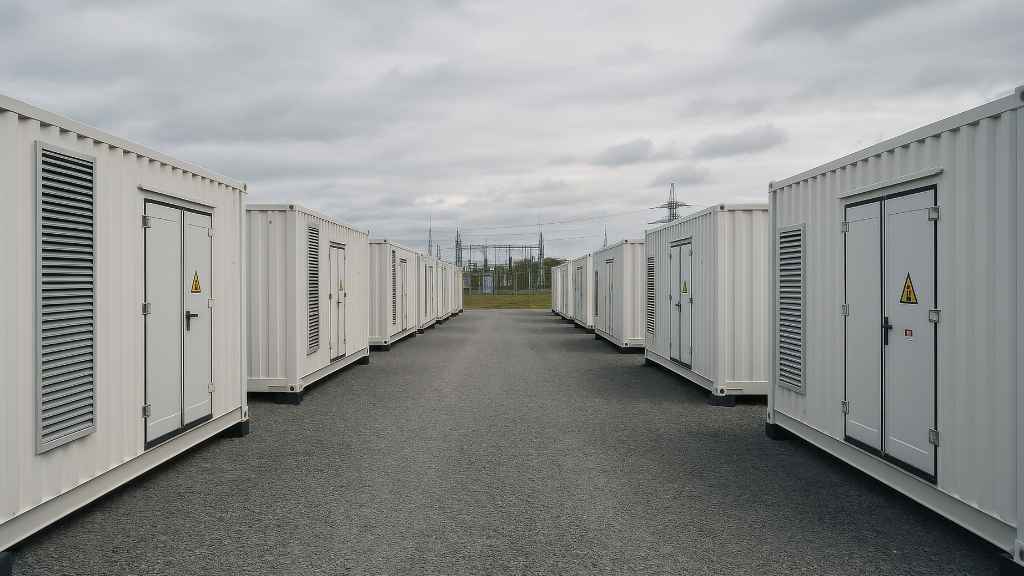
Sri Lanka’s energy landscape is experiencing a dramatic shift as the Ceylon Electricity Board (CEB) evaluates an unprecedented number of proposals for large-scale battery storage installations across the national grid. Energy Minister Kumara Jayakody revealed to parliament that the tender calling for sixteen 10MW/40MWh battery energy storage systems, offered under a build-operate-own model, has attracted a remarkable 153 bids. This influx of interest marks one of the most competitive renewable-related tenders the country has seen, illustrating both investor confidence and the urgent demand for storage capacity to stabilize Sri Lanka’s evolving power mix.
The minister described the tender response as “record-setting,” emphasizing that such a volume of submissions signals a pivotal moment for the island’s renewable transition. Battery storage, once seen as an expensive luxury for developing grids, is now becoming central to managing fluctuating renewable output. As more solar and wind capacity enters the system, grid operators have repeatedly stressed the need for reliable backup solutions that can absorb excess daytime production and release electricity during evening peak hours. The current tender aims to address precisely this gap, offering a structured pathway for private developers to contribute to national grid resilience.
Minister Jayakody explained that although evaluation is still underway, preliminary indications show a potential price of about 17 rupees per kilowatt-hour for electricity discharged after charging a battery. This figure, if confirmed, would represent a competitive cost for firming renewable energy supply in a system increasingly dependent on intermittent generation. By enabling stored power to be delivered during evening demand spikes, such installations could play a decisive role in reducing strains on conventional plants and lowering the country’s dependence on fossil fuels.
In parallel with the battery storage tender, the CEB has received bids for two planned 50MW wind power plants. Early figures suggest offers around 3.77 US cents per kilowatt-hour for the first 50MW unit, a rate that translates to roughly 11.60 rupees at the prevailing exchange rate of 308 rupees to the dollar. While formal assessments remain ongoing, the minister noted that the competitiveness of these bids aligns with Sri Lanka’s broader goal of expanding renewable electricity at cost-effective rates. The renewed interest in wind energy complements the surge in storage proposals, creating a more holistic shift toward clean generation sources.
Sri Lanka’s reliance on solar power has been growing steadily, but the country’s grid has struggled to absorb the fluctuating output without adequate storage capacity. Existing solar plants currently receive 45.80 rupees per kilowatt-hour for supplying stored solar energy during the critical night-time window between 6.30 pm and 10.30 pm. This pricing structure was designed to incentivize developers to add battery storage solutions to their projects, ensuring that solar energy can support the system beyond daylight hours. The new tender process expands this vision considerably by inviting multiple players to contribute standardized battery units at strategically chosen grid points.
The minister’s announcement underscores the shifting economics of renewable energy. What once required heavy subsidies is now attracting diverse private participation, driven by declining technology costs and evolving market structures. Battery storage systems, capable of smoothing supply fluctuations and reinforcing grid reliability, are especially important for a nation that has experienced periodic instability due to its increasing dependence on variable energy sources. By pairing solar expansion with storage infrastructure, Sri Lanka positions itself to avoid the imbalances that have historically triggered system stress during peak periods.
As evaluation committees methodically review the 153 bids, the implications for Sri Lanka’s power sector are significant. Successful projects will not only improve grid stability but also help reduce curtailment of renewable sources, increase power availability during high-demand evening hours, and decrease reliance on expensive thermal plants. Moreover, competitive pricing signals a broader market shift in which Sri Lanka can benefit from global advancements in battery technology, manufacturing scale, and supply chain maturity.
If implemented efficiently, the new wave of battery storage investments could create a more consistent renewable supply profile, reduce system losses, and enhance national energy security. Coupled with the competitive wind tariffs currently under review, Sri Lanka’s ongoing energy transformation is poised to accelerate, with storage acting as the cornerstone of a modernized grid ready to support long-term sustainability goals.