

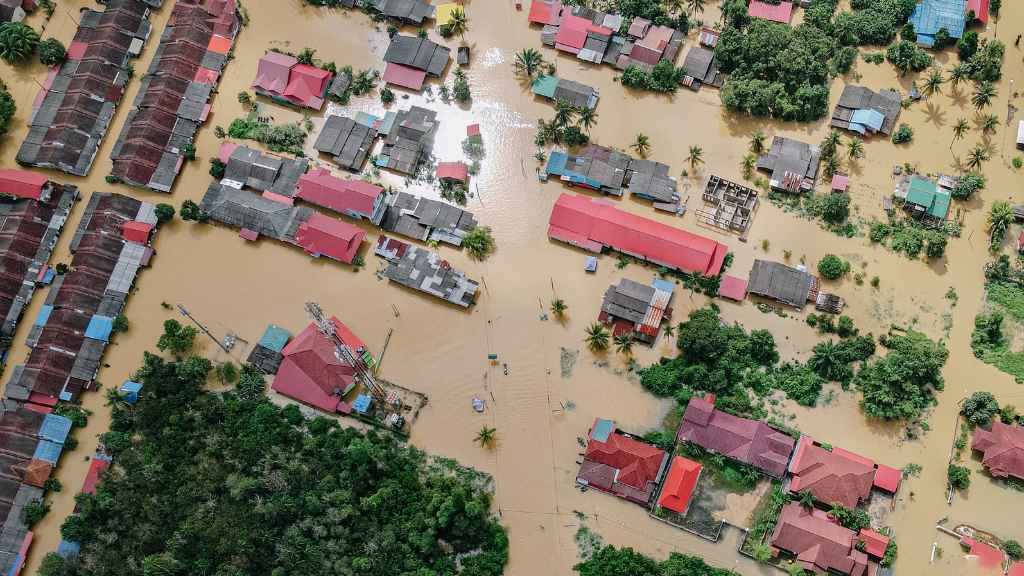
Sri Lanka climate debt clauses should be embedded in future borrowing to protect the country from fiscal shocks triggered by natural disasters, a Colombo-based think tank has urged following the severe impact of Cyclone Ditwah.
Sri Lanka climate debt clauses could protect finances from disasters
Sri Lanka should urgently rethink how it structures future sovereign borrowing by incorporating climate-contingent mechanisms that provide fiscal breathing space when natural disasters strike, according to the Centre for a Smart Future. The recommendation follows Cyclone Ditwah, which exposed the country’s vulnerability to climate shocks at a time when its economic recovery path remains tightly constrained.
While Sri Lanka’s near-term policy framework is largely anchored by its ongoing programme with the International Monetary Fund, the aftermath of the cyclone has highlighted a critical longer-term challenge. Future debt arrangements, the think tank argues, must be designed to accommodate climate-related disruptions that can derail public finances overnight.
In an opinion piece analysing the fiscal implications of Cyclone Ditwah, Centre for a Smart Future Co-founder Anushka Wijesinha stressed that Sri Lanka’s gradual return to international capital markets after debt restructuring must be accompanied by more resilient financial instruments. Without such safeguards, climate events could repeatedly undermine hard-won macroeconomic stability.
At the centre of the proposal are Climate Resilient Debt Clauses, often referred to as CRDCs. These clauses allow for the automatic suspension or postponement of debt service when pre-defined climate disasters occur. Instead of forcing governments to continue servicing debt during emergencies, CRDCs create immediate fiscal space by deferring interest or principal payments.
The concept is not new. Climate-contingent debt provisions evolved from so-called hurricane clauses pioneered by Caribbean nations during earlier debt restructurings. One notable example is Grenada’s 2015 hurricane bond, which was triggered in late 2024 and resulted in the suspension of approximately 12 million US dollars in interest payments after a qualifying storm.
Major multilateral development banks have since incorporated similar mechanisms into their lending frameworks. Institutions such as the World Bank, the Inter-American Development Bank, and the Asian Development Bank now offer Climate Resilient Debt Clauses to eligible countries. These arrangements typically provide for up to two years of deferred principal and or interest payments once parametric triggers, such as storm intensity or rainfall thresholds, are met.
Beyond debt clauses, Wijesinha also highlighted catastrophe bonds as an additional tool Sri Lanka could consider. Catastrophe bonds differ fundamentally from traditional borrowing. Rather than being a loan, they function as pre-funded insurance designed to deliver rapid financial support when disasters occur.
Jamaica provides a recent and compelling example. In April 2024, the country issued a 150 million dollar catastrophe bond through the World Bank, covering four hurricane seasons until December 2027. The bond was structured with parametric triggers based on the location and intensity of storms.
When Hurricane Melissa struck Jamaica as a Category 5 storm in late October 2025, the bond’s conditions were met. As a result, the full 150 million dollars was paid out to the Jamaican government within days. This rapid inflow of capital enabled immediate emergency response and early recovery efforts without new borrowing, prolonged negotiations with creditors, or reallocation of funds from development programmes.
Crucially, catastrophe bonds do not require repayment when triggered. If the qualifying event occurs, investors forfeit their principal, which is transferred directly to the affected government. If no qualifying disaster takes place during the coverage period, investors receive their principal back at maturity. This structure provides genuine fiscal relief precisely when it is most needed.
Sri Lanka has experimented with disaster-related financial mechanisms in the past. The National Insurance Trust Fund previously offered disaster relief backed by government-paid premiums. However, the programme was discontinued after premium payments were halted amid underwriting concerns, limiting its long-term effectiveness.
Although Sri Lanka is not frequently struck by cyclones, the risk is not negligible. Historical records indicate that around 16 cyclones have made landfall over approximately 125 years. Most cyclones forming in the Bay of Bengal affect India and Bangladesh, but storms with unusual trajectories occasionally reach Sri Lanka.
Cyclone Ditwah was particularly rare, following a slow-moving south-to-north path after forming very close to the island. Its impact has reignited debate about the country’s preparedness for low-probability but high-impact climate events.
The Centre for a Smart Future argues that such events underscore the need for smarter financial planning rather than reactive fiscal measures. Embedding Sri Lanka climate debt clauses and insurance-like instruments into future borrowing frameworks could reduce the economic shock of disasters and protect public investment priorities.
As Sri Lanka looks beyond its current restructuring and plans its re-entry into global capital markets, the think tank maintains that climate resilience must become a core component of debt strategy. Doing so could help ensure that future natural disasters do not reverse economic recovery or compromise long-term development goals.